
Available products
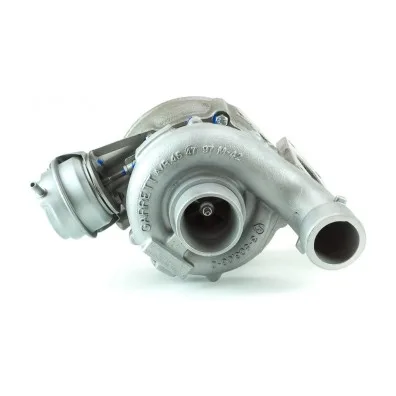
In stock
For vehicles equipped with the 2.5 TDI 150 hp engine, finding a reliable turbocharger in exchange standard is critical to restoring performance without overspending. This category targets independent garages, DIY enthusiasts, and stranded motorists seeking a cost-effective solution for turbo failure symptoms like power loss or excessive smoke. Discover our full range: (C5).
Professionals in the repair sector rely on this range to source remanufactured turbos that match OEM specifications, ensuring consistent quality across brands. The wholesale approach eliminates the need for costly new parts while maintaining compatibility with vehicles from 2000 to 2015, including those with variable geometry systems.
Our team, with over a decade of experience in turbo exchange standards, ensures each unit undergoes rigorous testing before reaching your workshop. We prioritize transparency in sourcing and compatibility, so you can focus on repairs without worrying about hidden defects or mismatched parts.
Related categories
Frequently asked questions
About this category
The 2.5 TDI 150 hp turbocharger exchange standard category addresses a common pain point for diesel vehicle owners: turbo failure. Whether you're a mechanic diagnosing a loss of power or a car owner facing a smoking exhaust, this range provides remanufactured turbos designed to restore your engine's performance. The focus is on compatibility with popular models from Volkswagen, Audi, and Skoda, ensuring a direct fit for your motorization.
This range is built on a wholesale model, sourcing turbos from certified remanufacturers who specialize in exchange standard units. The grossist role ensures competitive pricing while maintaining quality, as each turbo is tested for leaks, blade integrity, and variable geometry function. The goal is to offer a reliable alternative to new parts without compromising on performance.
Professional uses by trade
Different users approach turbo replacement with distinct needs. Garages prioritize bulk availability and quick turnaround, while DIY enthusiasts seek clear compatibility guides. German buyers often require detailed technical specifications, and stranded motorists need urgent solutions to get back on the road.
- Le garagiste independant : Replace a failing turbo on a 2010 Audi A6 2.5 TDI with minimal downtime, using a remanufactured unit that matches OEM torque specs.
- L'automobiliste depanne : Order an exchange standard turbo for a 2008 Volkswagen Passat 2.5 TDI after noticing a sudden drop in acceleration and blue smoke from the exhaust.
- Le passionne qui fait lui-meme : Source a compatible turbo for a 2005 Skoda Superb 2.5 TDI, ensuring it fits the CHRA and wastegate assembly without professional assistance.
- Der deutsche Kaeufer (DACH) : Purchase a remanufactured turbo for a 2012 Seat Alhambra 2.5 TDI, verifying its compatibility with the variable geometry system and OEM reference numbers.
- Le garagiste independant : Use exchange standard turbos as a temporary fix for customers waiting for OEM parts, reducing repair costs while maintaining vehicle performance.
- L'automobiliste depanne : Find a budget-friendly turbo replacement for a 2003 Audi A4 2.5 TDI after a turbocharger failure, avoiding the expense of a new unit.
- Der deutsche Kaeufer (DACH) : Order a turbo with a core deposit system to return the old unit, ensuring compliance with local waste regulations and reducing upfront costs.
Range comparison
Below, you’ll find the available turbos for the 2.5 TDI 150 hp category, each listed with its exact reference and intended use. These units are sourced from reputable remanufacturers to ensure reliability and compatibility.
| Range | Use | Format |
|---|---|---|
| SL Turbo 454135-5010S | High-mileage engine rebuild |
How to choose
Selecting the right turbo for your 2.5 TDI 150 hp engine requires attention to several key factors. Compatibility with your vehicle’s motorization is paramount, but other elements like packaging, storage conditions, and rotation speed also play a role in long-term reliability.
- Verify the turbo’s compatibility with your vehicle’s exact motorization, including the engine code and power output, to avoid mismatches.
- Check the packaging for protective seals and anti-corrosion measures, ensuring the unit arrives in optimal condition for installation.
- Prioritize turbos with a consistent rotation speed rating, as this directly impacts the engine’s performance and longevity.
- Opt for units with a core deposit system if you plan to return the old turbo, reducing upfront costs and simplifying logistics.
- Ensure the turbo includes all necessary gaskets and mounting hardware, minimizing the risk of leaks or installation errors.
- For variable geometry turbos, confirm the actuator’s responsiveness and blade integrity before purchase.
- Choose a supplier with a transparent sourcing process, as this delivers the unit meets remanufacturing standards.
Storage & logistics
Storing exchange standard turbos requires controlled conditions to prevent moisture damage or seal degradation. Keep units in their original packaging in a dry, temperature-stable environment, away from direct sunlight or chemical fumes. For bulk orders, use shelving with dividers to avoid contact between turbos, and rotate stock regularly to ensure freshness. If storing for extended periods, inspect seals and bearings periodically to confirm they remain intact and free from corrosion.
With over 15 years in the turbo exchange standard market, our team has seen every failure mode imaginable. We source only from remanufacturers who adhere to strict quality controls, ensuring each unit delivers the performance your customers expect.— autoKUR team
Related categories
Browse our other ranges:
Useful references
For regulatory and sector references, see Reglement (UE) 461/2010 — pieces de rechange et garantie constructeur.