

Available products
3 references

Frequently asked questions
About this category
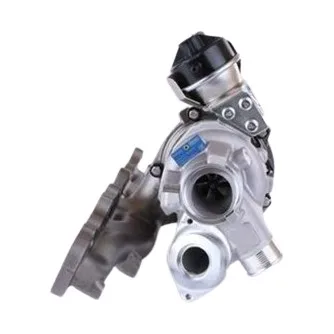
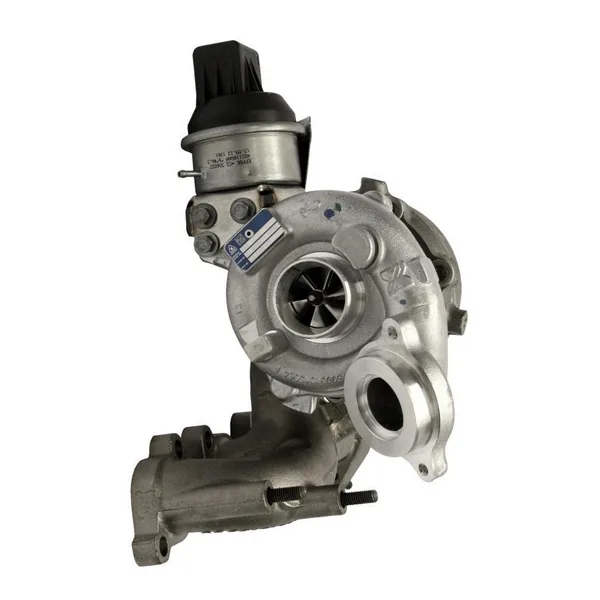
The 2.0 TDI 136 hp turbo exchange standard category addresses a common pain point for owners of Volkswagen, Audi, Skoda, and Seat vehicles: degraded performance due to a failing turbocharger. This section provides remanufactured units that restore power delivery, fuel efficiency, and emissions compliance without the premium of new OEM parts. Compatibility spans multiple model years and vehicle configurations, ensuring broad applicability for both professionals and private motorists.
Curated by a specialist wholesaler, this range is built on direct sourcing from certified remanufacturers and rigorous compatibility checks against OEM references. The role of the wholesaler is to aggregate high-quality exchange turbos, manage core returns, and provide transparent documentation for garages and DIY users alike. Bulk availability and logistical support are designed to meet workshop demands.
Professional uses by trade
Different user profiles approach the 2.0 TDI 136 hp turbo exchange standard category with distinct priorities. Garages prioritize bulk availability and traceability, while DIY enthusiasts seek clear compatibility guides and return policies. German buyers often require detailed technical specifications and core deposit options.
- Le garagiste independant : Sources turbos in exchange standard to minimize vehicle downtime during repairs, ensuring quick turnaround for customers with urgent power loss issues.
- L'automobiliste depanne : Finds a cost-effective alternative to new OEM turbos when faced with sudden loss of power or excessive smoke from the exhaust.
- Le passionne qui fait lui-meme : Relies on detailed compatibility lists and return policies to safely replace a failing turbo without professional assistance.
- Der deutsche Kaeufer (DACH) : Prefers turbos with core deposit options and clear documentation to simplify the return of used cores after installation.
- Le garagiste independant : Orders bulk quantities of exchange turbos to maintain stock for common 2.0 TDI 136 hp applications, reducing lead times for customers.
- L'automobiliste depanne : Uses exchange turbos as a temporary fix while saving for a permanent solution, balancing cost and immediate performance restoration.
- Der deutsche Kaeufer (DACH) : Selects turbos based on long-term reliability reports and compatibility with local workshop practices.
Range comparison
The following table compares three exchange turbos compatible with the 2.0 TDI 136 hp, highlighting their key attributes for informed decision-making. Each unit is designed for direct replacement, with remanufacturing processes ensuring performance parity with new parts.
| Range | Use | Format |
|---|---|---|
| Turbo MAHLE 030TC11002000 | Direct replacement for VW/Audi 2.0 TDI | |
| SL Turbo 724930-5010S | High-flow option for tuned applications | |
| SL Turbo 5303 988 0205 | Budget-friendly exchange standard unit |
How to choose
Selecting the right exchange turbo for a 2.0 TDI 136 hp requires attention to several technical and logistical factors. Compatibility with the vehicle’s model year and engine code is paramount, followed by the type of turbo assembly (cartridge vs. complete unit).
- Verify the engine code and model year to ensure the turbo matches the vehicle’s specifications, avoiding mismatches that could lead to performance issues.
- Assess whether a cartridge-style turbo or a complete assembly is needed based on the vehicle’s configuration and repair complexity.
- Prioritize turbos with documented remanufacturing processes to ensure consistent quality and longevity after installation.
- Check the core deposit policy to understand return requirements for the used turbo, which can offset the cost of the exchange unit.
- Evaluate the packaging and labeling for clear identification of the turbo’s compatibility, reducing the risk of incorrect orders.
- Consider the availability of technical support or documentation for troubleshooting post-installation issues.
- For tuned vehicles, select a high-flow turbo that aligns with the engine’s modified power output to avoid overloading the system.
Storage & logistics
Exchange turbos for the 2.0 TDI 136 hp must be stored in a controlled environment to prevent moisture damage or contamination of internal components. Wholesale buyers should prioritize units with sealed packaging and desiccant protection, while garages must ensure proper handling to avoid cross-contamination between different turbo models. Rotation of stock is critical to prevent obsolescence, with older units cleared before newer batches to maintain performance standards. Core returns should be processed promptly to free up capital tied to deposits.
With over a decade in the turbo exchange market, our team has refined the process of matching remanufactured units to the 2.0 TDI 136 hp, ensuring that every order meets the same standards we’d trust for our own vehicles. Core returns and technical validation are managed in-house to uphold quality.— autoKUR team
Related categories
Browse our other ranges:
Useful references
For regulatory and sector references, see Reglement (UE) 461/2010 — pieces de rechange et garantie constructeur.