


Frequently asked questions
About this category
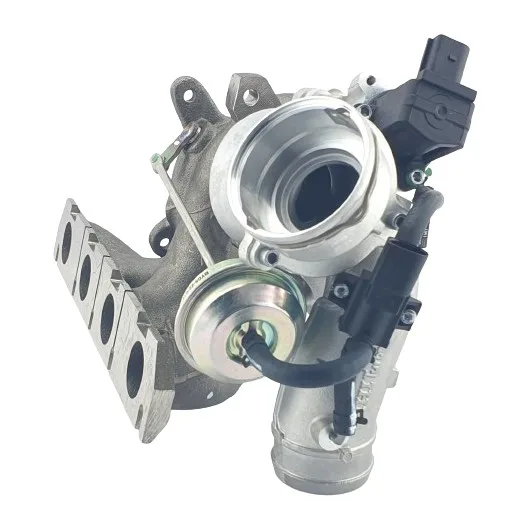
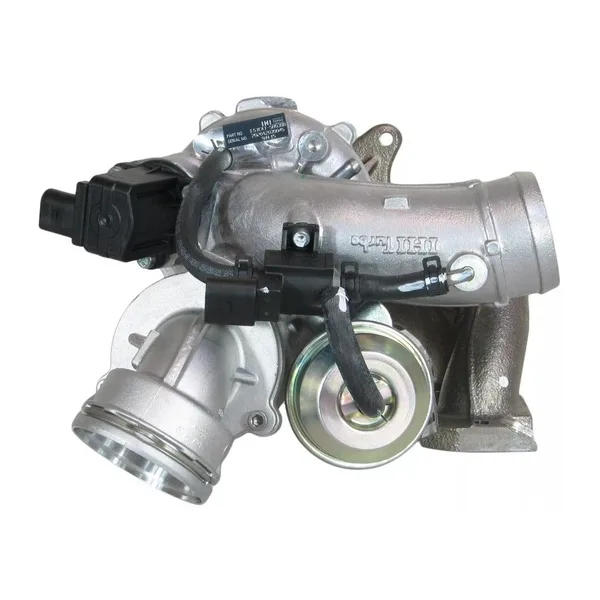
The 2.0 TFSI 2.0-liter engine, particularly in its 200 hp configuration, is a common powerplant in European vehicles, known for its balance of performance and efficiency. This category is designed for those who require a turbocharger that matches the engine’s specifications, whether for routine maintenance or emergency repairs. Here, you will find exchange-standard turbos that adhere to OEM standards, ensuring compatibility with models like the Audi A4, A5, and Volkswagen Passat, among others. The focus is on providing a solution that restores original performance without the premium cost of new units.
This range is curated to meet the diverse needs of garages, DIY mechanics, and motorists by offering turbos that are remanufactured to original equipment standards. The selection process involves verifying compatibility with the 2.0 TFSI 200 hp engine across multiple vehicle models and model years, ensuring that each part fits seamlessly into the existing system. The role of the wholesaler is pivotal here, as it bridges the gap between manufacturers and end-users, providing bulk availability and competitive pricing for professionals and private buyers alike.
Professional uses by trade
Different user profiles approach the 2.0 TFSI 200 hp turbocharger category with distinct priorities, whether it’s rapid availability for a stranded vehicle, bulk procurement for a workshop, or DIY installation for an enthusiast. Each group seeks a solution that balances cost, compatibility, and reliability, often under time constraints or technical constraints.
- Independent garage: Needs a turbo that installs quickly to minimize vehicle downtime during repairs, prioritizing direct-fit exchange turbos with verified compatibility.
- Stranded motorist: Seeks an immediate replacement to restore drivability after a turbo failure, focusing on readily available exchange parts with clear symptom matching.
- DIY enthusiast: Prefers a turbo that can be installed with basic tools, emphasizing user-friendly packaging and clear instructions for self-replacement.
- German buyer (DACH): Looks for turbos that meet local market standards, often requiring certified exchange parts with documented remanufacturing processes.
- Workshop manager: Requires bulk turbos for inventory, prioritizing consistent quality and fast turnover to meet client demands efficiently.
- Passionate driver: Values turbos that restore original performance without compromising reliability, seeking remanufactured units with proven track records.
- Professional mechanic: Needs turbos that align with OEM specifications, ensuring seamless integration into the 2.0 TFSI engine system without additional adjustments.
Range comparison
The following turbos are selected for their compatibility with the 2.0 TFSI 200 hp engine, covering a range of vehicle models and ensuring broad applicability. Each reference is chosen based on its fitment and performance characteristics, providing a reliable solution for exchange-standard needs.
| Range | Use | Format |
|---|---|---|
| SL Turbo 5303 988 0086 | Direct replacement for Audi A4/A5 2.0 TFSI models | |
| Turbo IHI 9VA15 | OEM-grade turbo for Volkswagen Group 2.0 TFSI engines | |
| Turbo BorgWarner - KKK 9VA13 | High-performance turbo for 200 hp variants in European models |
How to choose
Selecting the right turbo for the 2.0 TFSI 200 hp engine involves evaluating several key factors, including compatibility, remanufacturing quality, and packaging. Professionals and private buyers must prioritize parts that align with their specific needs, whether it’s for a single repair or bulk inventory.
- Compatibility: Ensure the turbo matches the vehicle’s model, engine code, and power output to avoid installation issues or performance mismatches.
- Remanufacturing quality: Opt for turbos that undergo rigorous remanufacturing processes, ensuring durability and adherence to OEM standards.
- Packaging: Bulk packaging is essential for workshops to streamline inventory management and reduce handling time during repairs.
- Consistency: Choose turbos from suppliers with a track record of reliable performance across multiple installations and vehicle models.
- Rotation: Prioritize turbos with a high turnover rate in inventory to ensure freshness and reduce the risk of obsolescence.
- Documentation: Request remanufacturing records or certifications to verify the turbo’s condition and compliance with industry standards.
- Supplier reliability: Work with suppliers who offer transparent sourcing and clear return policies for defective units.
Storage & logistics
For workshops and bulk buyers, proper storage of exchange-standard turbos is essential to maintain their condition and extend shelf life. Turbos should be kept in a dry, temperature-controlled environment to prevent moisture damage or corrosion, particularly in metal components like the CHRA (Center Housing Rotating Assembly). Avoid stacking turbos directly on top of each other to prevent deformation or stress on the housings, and use protective covers or sleeves to shield them from dust and debris. Regular inventory rotation ensures that older stock is used first, reducing the risk of parts becoming obsolete or degraded over time. For DIY buyers, storing the turbo in its original packaging until installation is ideal, as it provides a barrier against environmental contaminants and physical damage.
With over a decade of experience in turbo remanufacturing, our team understands the critical role these components play in vehicle performance. We’ve seen firsthand how a well-matched exchange turbo can restore a 2.0 TFSI engine to its original power and efficiency, often at a fraction of the cost of a new unit. Our focus remains on delivering reliable, OEM-compliant turbos that meet the demands of both professionals and enthusiasts.— autoKUR team
Related categories
Browse our other ranges:
Useful references
For regulatory and sector references, see Reglement (UE) 461/2010 — pieces de rechange et garantie constructeur.