
Available products
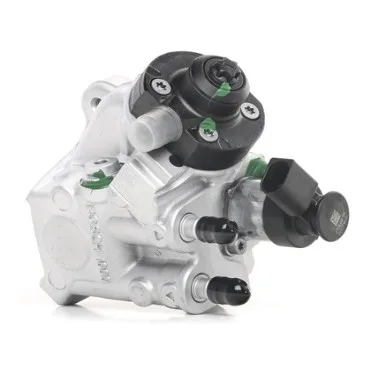
In stock
1 exchange-standard reference(s) match the VOLKSWAGEN Tiguan 2 (AD1 / AX1) 2.0 TDI 150 hp (110 kW diesel). Output is the deciding criterion: a part meant for another output of the same displacement will not fit.
Engine specification: 1968 cm³, diesel, built from 01/2016 to 07/2020. Matching part number: 0445010507 (Bosch). Compare with the code stamped on your part.
Other engines of the VOLKSWAGEN Tiguan 2 (AD1 / AX1): 2.0 TDI 190 hp, 2.0 TDI 184 hp, 2.0 TDI 163 hp. If the code stamped on your part is legible, search by reference remains the safest route. 24-month warranty.
Related categories
Frequently asked questions
About this category
The 2.0 TDI 150 hp diesel engine, found in models like the Volkswagen Passat, Audi A4, and Skoda Superb, relies on a precisely engineered high-pressure pump to deliver fuel at the correct pressure for optimal combustion. Over time, these pumps wear out, leading to symptoms such as hard starting, loss of power, or excessive smoke from the exhaust. This category provides exchange-standard high-pressure pumps designed to restore factory-level performance without the expense of a brand-new OEM unit, making them ideal for both professional mechanics and skilled DIYers.
Our high-pressure pump range for 2.0 TDI 150 hp engines is curated from trusted suppliers who specialize in remanufactured components, ensuring each unit undergoes rigorous testing for pressure consistency and leak-free operation. The selection process prioritizes compatibility with the engine’s fuel system, including the injector and rail assembly, while maintaining the original geometry and flow characteristics. This approach delivers that the pump integrates seamlessly into the vehicle’s existing architecture, whether it’s a 2010 model or a later variant.
Professional uses by trade
Different users approach high-pressure pump replacement with distinct priorities: garages need reliability and fast turnaround, stranded motorists seek immediate solutions, DIYers value precision and cost savings, and German buyers expect technical clarity and durability. Each group requires a pump that aligns with their workflow and budget constraints.
- Le garagiste independant : Replaces a failing high-pressure pump in a 2.0 TDI 150 hp engine to restore power and fuel efficiency without compromising on quality or warranty coverage.
- L'automobiliste depanne : Orders an exchange-standard high-pressure pump after diagnosing symptoms like prolonged cranking or black smoke, ensuring a direct-fit solution for their vehicle.
- Le passionne qui fait lui-meme : Sources a remanufactured high-pressure pump to avoid the high cost of a new OEM unit, trusting in the pump’s tested performance and ease of installation.
- Der deutsche Kaeufer (DACH) : Selects a high-pressure pump that meets strict German engineering standards, prioritizing durability and compatibility with local diesel fuel quality and emissions regulations.
- Le garagiste independant : Uses the pump’s calibrated output to ensure the engine meets diagnostic trouble codes related to fuel pressure, avoiding unnecessary part replacements.
- L'automobiliste depanne : Verifies the pump’s reference number against their vehicle’s VIN to confirm a perfect match before ordering, reducing the risk of incorrect fitment.
- Der deutsche Kaeufer (DACH) : Prefers pumps with documented remanufacturing processes, as German buyers often require proof of quality for insurance or warranty claims.
Range comparison
The following high-pressure pumps are selected for their proven compatibility with 2.0 TDI 150 hp engines, offering exchange-standard performance at a fraction of the OEM cost. Each unit is tested for pressure consistency and leak-free operation before being listed.
| Range | Use | Format |
|---|---|---|
| High-pressure pump Bosch 0445010507 | Emergency repair for stranded vehicles |
How to choose
Selecting the right high-pressure pump for a 2.0 TDI 150 hp engine requires attention to compatibility, condition, and supplier reliability. The pump must align with the vehicle’s fuel system architecture, including the injector and rail assembly, while meeting the engine’s pressure demands.
- Verify the pump’s reference number against the vehicle’s VIN to ensure a perfect fit, avoiding costly misorders and installation delays.
- Check the pump’s condition—whether it’s a remanufactured core or a fully tested exchange-standard unit—to confirm it meets the engine’s performance requirements.
- Prioritize suppliers with documented remanufacturing processes, as this ensures the pump’s internal components meet original equipment tolerances.
- Assess the pump’s packaging and handling instructions to confirm it arrives undamaged and ready for immediate installation.
- Confirm the pump’s compatibility with the vehicle’s fuel rail and injector assembly, as mismatches can lead to pressure inconsistencies or leaks.
- Evaluate the supplier’s return policy for used cores, as some workshops require a deposit or core exchange to minimize waste.
- Consider the pump’s warranty terms, even if they’re provided by a third party, to protect against premature failure or installation issues.
Storage & logistics
For workshops and bulk buyers, storing high-pressure pumps for 2.0 TDI 150 hp engines requires climate-controlled environments to prevent moisture damage or corrosion to the internal components. Units should be kept in their original packaging until installation, with care taken to avoid exposure to extreme temperatures or direct sunlight. Regular inventory rotation ensures that older stock is used first, maintaining freshness and reliability. Suppliers often provide barcoded labels for easy tracking, and some recommend storing pumps in sealed containers to protect against dust and contaminants that could affect performance.
With over a decade of experience in sourcing high-pressure pumps for 2.0 TDI 150 hp engines, our team knows that the difference between a good repair and a repeat visit often comes down to the pump’s internal geometry and pressure consistency.— autoKUR team
Related categories
Browse our other ranges:
Useful references
For regulatory and sector references, see Reglement (UE) 461/2010 — pieces de rechange et garantie constructeur.