
Available products
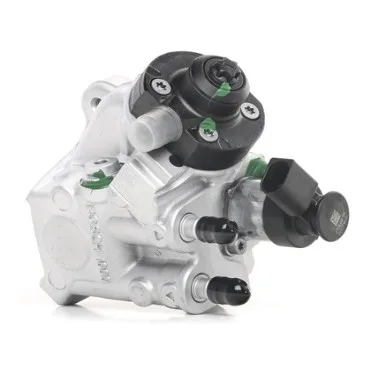
In stock
The VOLKSWAGEN Golf 6 (5K1) 2.0 TDI 140 hp (103 kW diesel) is covered by 1 exchange-standard reference(s). Check output before displacement: it determines the part.
Engine specification: 1968 cm³, diesel, built from 10/2008 to 07/2013. Matching part number: 0445010507 (Bosch). Compare with the code stamped on your part.
Other engines of the VOLKSWAGEN Golf 6 (5K1): 2.0 TDI 170 hp, 2.0 TDI 136 hp, 2.0 TDI 110 hp. If the code stamped on your part is legible, search by reference remains the safest route. 24-month warranty.
Related categories
Frequently asked questions
About this category
The 2.0 TDI 140 HP diesel engine, found in models from Volkswagen, Audi, Skoda, and Seat, relies on a high-pressure pump to deliver fuel at pressures up to 2,000 bar for optimal combustion. This category includes remanufactured and exchanged pumps designed to restore engine efficiency, addressing issues like power loss, excessive smoke, or fuel leaks. Whether you're a mechanic, a car owner, or a German-speaking buyer, this range provides the exact fit for your motorization, with references traceable to the original equipment manufacturer.
Our high-pressure pump range is built around OEM-equivalent parts, sourced from leading manufacturers and remanufactured to meet original performance specifications. The selection process involves verifying compatibility with the engine code, power output, and vehicle model year, ensuring each pump integrates seamlessly. This approach eliminates the need for costly trial-and-error, as every reference is pre-approved for the 2.0 TDI 140 HP platform, including variants with variable geometry or cartridge-based designs.
Professional uses by trade
Different users approach high-pressure pump replacement with distinct priorities: garages focus on turnaround time and bulk availability, car owners seek cost-effective solutions, and DIY enthusiasts require clear compatibility data. German buyers, in particular, value precision and adherence to technical standards, making this category a critical resource for all.
- Le garagiste independant : Replace a failing high-pressure pump in under two hours by selecting a remanufactured Bosch 0445010507 with pre-installed seals and tested pressure regulation.
- L'automobiliste depanne : Diagnose a sudden power loss by checking for fuel leaks or unusual noises near the pump, then order an exchanged unit for a straightforward DIY swap.
- Le passionne qui fait lui-meme : Verify pump compatibility using the engine code and model year, then purchase a core deposit unit to minimize costs while ensuring a direct fit.
- Der deutsche Kaeufer (DACH) : Choose a high-pressure pump with documented remanufacturing steps, such as cartridge replacement and pressure testing, to meet local technical expectations.
- Le garagiste independant : Stock exchanged pumps for common 2.0 TDI 140 HP applications to reduce lead times and avoid backorders during peak repair seasons.
- L'automobiliste depanne : Confirm the pump’s role in engine performance by monitoring symptoms like white smoke or rough starts, then source a replacement with matching OEM specifications.
- Der deutsche Kaeufer (DACH) : Prioritize pumps with variable geometry compatibility if the engine uses this feature, ensuring seamless integration with the existing fuel system.
Range comparison
Below, you’ll find the high-pressure pump references specifically engineered for the 2.0 TDI 140 HP diesel engine, including OEM-equivalent and remanufactured options. Each entry lists the exact fit, format, and primary use case to simplify your selection process.
| Range | Use | Format |
|---|---|---|
| High-pressure pump Bosch 0445010507 | direct replacement for VW/Audi 2.0 TDI 140 HP |
How to choose
Selecting the right high-pressure pump depends on several technical factors, including engine code, pump type, and remanufacturing quality. Garages should prioritize units with documented pressure testing, while DIY users need clear compatibility data to avoid mismatches.
- Verify the engine code (e.g., CFFB, CBAB) to ensure the pump matches your motorization’s specifications, as even minor differences can affect performance.
- Check for variable geometry compatibility if your engine uses this feature, as not all pumps support this advanced fuel delivery system.
- Prefer remanufactured units with replaced cartridges and seals, as these components are the most common failure points in high-pressure pumps.
- Confirm the pump’s pressure rating aligns with your engine’s requirements, typically ranging from 1,800 to 2,200 bar for 2.0 TDI applications.
- Opt for exchanged units with core deposit options to reduce costs, as these include a refundable fee upon return of the old pump.
- Ensure the pump’s inlet and outlet connections match your vehicle’s fuel lines, avoiding leaks or pressure drops after installation.
- Prioritize suppliers with transparent remanufacturing processes, such as Bosch’s standardized procedures, to deliver consistent quality.
Storage & logistics
For professional workshops, storing high-pressure pumps requires climate control to prevent seal degradation and contamination. Keep units in their original packaging until installation, and avoid exposing them to extreme temperatures or humidity. Organize inventory by engine code and vehicle model to streamline picking, and rotate stock based on expiration dates if applicable. For exchanged units, maintain a separate area for core deposits, ensuring returned pumps are inspected for damage before processing refunds.
With over a decade of experience in diesel fuel systems, our team has seen how a single high-pressure pump failure can cascade into costly engine damage if left unaddressed. We’ve refined our selection to focus on remanufactured units that restore original performance, backed by pressure testing and seal integrity checks—because a pump isn’t just a part, it’s the heart of your engine’s fuel delivery.— autoKUR team
Related categories
Browse our other ranges:
Useful references
For regulatory and sector references, see Reglement (UE) 461/2010 — pieces de rechange et garantie constructeur.