
Available products
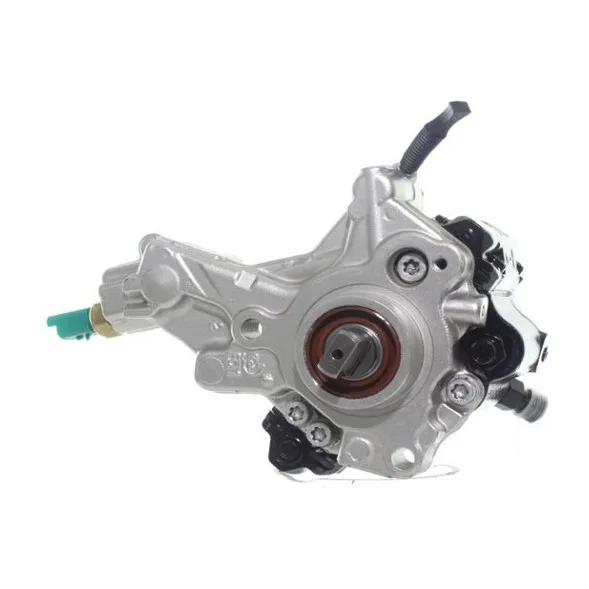
In stock
The PEUGEOT 508 1 2.0 HDi 140 hp (103 kW diesel) is covered by 1 exchange-standard reference(s). Check output before displacement: it determines the part.
Engine specification: 1997 cm³, diesel, built from 11/2010 to 12/2018. Matching part number: R9424A000A (DELPHI). Compare with the code stamped on your part.
Other engines of the PEUGEOT 508 1: 1.6 THP 156 hp, 1.6 THP 150 hp, 1.6 BlueHDi 120 hp. If the code stamped on your part is legible, search by reference remains the safest route. 24-month warranty.
Related categories
Frequently asked questions
About this category
The 2.0 HDi 140 hp diesel engine, widely used in European vehicles from the mid-2000s onward, demands precision-engineered components to maintain its reputation for durability and fuel efficiency. This category focuses exclusively on high-pressure pumps, a critical element in the common-rail diesel injection system that ensures consistent fuel delivery under extreme pressure. Whether you are a professional mechanic troubleshooting a misfire, a DIY enthusiast replacing a worn component, or a German buyer seeking a reliable spare, this section provides the technical clarity needed to identify the correct pump for your motorization. No generic solutions—only exact matches for your vehicle’s engine code and power output.
High-pressure pumps for the 2.0 HDi 140 hp are not off-the-shelf commodities; they are precision-engineered parts designed to meet the exacting standards of diesel injection systems. This range is curated from leading manufacturers who supply the automotive aftermarket, ensuring that each pump undergoes rigorous testing for pressure consistency and longevity. The role of the wholesaler here is pivotal: sourcing from reputable brands, verifying cross-references, and maintaining stock rotation to prevent obsolescence. For garages, this means reduced lead times and reliable supply chains, while DIYers benefit from simplified compatibility checks and clear documentation.
Professional uses by trade
Different professionals approach high-pressure pump replacement with distinct priorities, whether it’s minimizing workshop downtime, ensuring long-term reliability, or balancing cost with performance. The following usage scenarios address the specific needs of mechanics, car owners, and German buyers, each tailored to their operational context and technical requirements.
- Le garagiste independant : Replaces a failing high-pressure pump in a 2.0 HDi 140 hp engine by cross-referencing the OEM code and selecting an exchange-standard unit to restore full power delivery and fuel efficiency.
- L'automobiliste depanne : Diagnoses a loss of acceleration or black smoke from the exhaust by identifying the high-pressure pump as the likely culprit and orders the correct replacement part for self-installation.
- Le passionne qui fait lui-meme : Researches the high-pressure pump’s compatibility with their 2.0 HDi 140 hp engine, purchases the exchange-standard unit, and performs the replacement using basic tools and a repair manual.
- Der deutsche Kaeufer (DACH) : Orders a high-pressure pump for a 2.0 HDi 140 hp vehicle from a German supplier, ensuring the part meets local automotive standards and arrives with clear installation instructions in German.
- Le garagiste independant : Orders high-pressure pumps in bulk to maintain a ready stock for emergency repairs, reducing vehicle downtime and improving customer satisfaction with quick turnaround times.
- L'automobiliste depanne : Seeks a high-pressure pump that matches their engine’s specifications to avoid compatibility issues, often opting for an exchange-standard unit to ensure consistent performance.
- Der deutsche Kaeufer (DACH) : Prefers high-pressure pumps from manufacturers with a strong reputation in the DACH region, prioritizing parts that align with local automotive regulations and workshop practices.
Range comparison
Selecting the right high-pressure pump for a 2.0 HDi 140 hp engine requires matching the OEM reference, understanding the part’s condition, and verifying its compatibility with the vehicle’s motorization. The following table presents the available options, each designed to meet the exacting standards of diesel injection systems.
| Range | Use | Format |
|---|---|---|
| High-pressure pump DELPHI R9424A000A | direct replacement for 2.0 HDi 140 hp engines |
How to choose
Choosing the correct high-pressure pump involves more than matching the OEM code; it requires evaluating the part’s condition, packaging, and compatibility with your workflow. Professionals must consider factors like bulk availability, storage requirements, and the pump’s history to ensure long-term reliability and performance.
- Condition: Opt for an exchange-standard high-pressure pump that has been remanufactured to original specifications, ensuring consistent pressure delivery and extended service life.
- Packaging: Select pumps supplied in sturdy, labeled packaging to prevent damage during transit and storage, especially when ordering in bulk for workshop use.
- Compatibility: Verify the pump’s cross-references against your vehicle’s engine code and power output to avoid mismatches that could lead to poor performance or further damage.
- Availability: Prioritize suppliers with a proven track record of stock rotation to ensure you receive parts that are neither obsolete nor past their prime.
- Documentation: Choose pumps accompanied by clear technical documentation, including OEM codes and installation guidelines, to streamline the replacement process.
- Brand reputation: Favor high-pressure pumps from manufacturers known for their precision engineering and adherence to diesel injection system standards.
- Cost efficiency: Balance the upfront cost of the pump with its expected lifespan and performance, avoiding overly cheap options that may compromise reliability.
Storage & logistics
Storing high-pressure pumps for 2.0 HDi 140 hp engines requires a controlled environment to maintain their integrity and performance. Keep the pumps in their original packaging, away from moisture, extreme temperatures, and direct sunlight, to prevent corrosion or seal degradation. For bulk orders, use shelving units with dividers to organize parts by reference and avoid mixing incompatible units. Regularly inspect stored pumps for signs of damage or contamination, and rotate stock to ensure older units are used first. In workshop settings, designate a dedicated storage area for high-pressure pumps, separate from other components, to minimize the risk of cross-contamination or misplacement. Always handle the pumps with care, avoiding drops or impacts that could compromise their internal components.
With over a decade of experience in diesel injection systems, our team has seen firsthand how a failing high-pressure pump can cripple a 2.0 HDi 140 hp engine’s performance, which is why we prioritize precision-engineered exchange-standard units that restore reliability without compromise.— autoKUR team
Related categories
Browse our other ranges:
Useful references
For regulatory and sector references, see Reglement (UE) 461/2010 — pieces de rechange et garantie constructeur.