
Available products
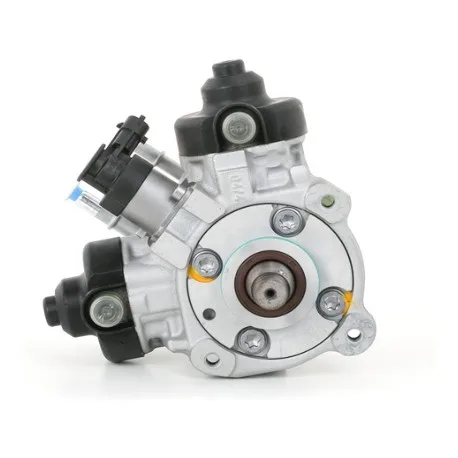
In stock
For the PEUGEOT 407 Coupé in 3.0 HDi 241 hp (177 kW diesel), the autoKUR catalogue holds 1 exchange-standard reference(s). At equal displacement, two outputs do not call for the same part.
Engine specification: 2992 cm³, diesel, built since 06/2009. Matching part number: 0445010614 (Bosch). Compare with the code stamped on your part.
This is the only listed engine of the PEUGEOT 407 Coupé. The code stamped on your part confirms the match: search by reference. 24-month warranty.
Frequently asked questions
About this category
This category serves garages, DIY enthusiasts, and breakdown specialists who need reliable high-pressure pumps for the 3.0 HDi 241 hp diesel engine, a motorization known for its robust performance in commercial and passenger vehicles across Europe. The range includes remanufactured units designed to restore fuel pressure precision, addressing common issues like inconsistent engine behavior or premature wear. Whether for routine maintenance or emergency repairs, these pumps are engineered to match the original equipment’s operational demands, ensuring seamless integration into existing systems.
The high-pressure pump range is built around core remanufacturing principles, where each unit undergoes rigorous testing to validate pressure output, leak resistance, and durability before reaching the market. The supply chain leverages wholesale partnerships with certified suppliers, ensuring that mechanics and workshops receive consistent stock without delays. This approach prioritizes rotational inventory, reducing the risk of obsolescence while maintaining traceability for each reference. The focus remains on functional equivalence rather than brand loyalty, allowing professionals to select the most suitable option for their diagnostic findings.
Professional uses by trade
Different professionals approach high-pressure pump replacement with distinct priorities, whether it’s minimizing downtime for a stranded vehicle or ensuring long-term reliability for a fleet. Garages prioritize compatibility and bulk pricing, while DIYers seek clarity on installation steps and tool requirements. Breakdown specialists focus on rapid identification of symptoms, and German buyers often demand documentation in their native language for compliance.
- Le garagiste independant : Replaces the pump during scheduled maintenance to prevent unexpected breakdowns, using bulk-purchased units to reduce per-unit costs while maintaining workshop efficiency.
- L'automobiliste depanne : Orders a replacement pump after diagnosing a fuel delivery issue, often opting for a remanufactured unit to balance cost and reliability without compromising performance.
- Le passionne qui fait lui-meme : Installs the pump as part of a DIY repair, following detailed guides to ensure proper torque settings and alignment with the engine’s fuel system.
- Der deutsche Kaeufer (DACH) : Seeks documentation in German, including technical specifications and installation notes, to comply with local workshop standards and regulatory requirements.
- The fleet manager : Procures pumps in bulk for preventive maintenance, ensuring all vehicles in the fleet operate with consistent fuel pressure to avoid costly repairs.
- The mobile mechanic : Carries a stock of remanufactured pumps to address on-site breakdowns, prioritizing units with proven compatibility across multiple vehicle models.
- The restoration specialist : Selects pumps for classic diesel engines, where original specifications must be met to preserve the vehicle’s authenticity and performance.
Range comparison
The following table compares high-pressure pump options for the 3.0 HDi 241 hp, focusing on compatibility, condition, and practical applications for professionals and enthusiasts alike.
| Range | Use | Format |
|---|---|---|
| High-pressure pump Bosch 0445010614 | direct replacement for 3.0 HDi 241 hp |
How to choose
Selecting the right high-pressure pump involves evaluating condition, compatibility, and supply chain reliability, as these factors directly impact repair success and long-term engine health.
- Condition: Opt for remanufactured pumps with documented testing to ensure they meet OEM pressure and durability standards, avoiding units with visible wear or corrosion.
- Compatibility: Verify the pump’s reference matches the vehicle’s engine code and model year, as mismatches can lead to fuel delivery failures or system damage.
- Supply chain: Prioritize suppliers with rotational inventory to avoid obsolete stock, ensuring the pump arrives promptly when needed for time-sensitive repairs.
- Documentation: Request technical datasheets in the preferred language to confirm specifications, installation steps, and torque values for professional or DIY use.
- Cost efficiency: Compare bulk pricing for workshops against single-unit costs for DIYers, balancing upfront expense with long-term reliability.
- Core deposit: Consider pumps sold with a core deposit system, where the old unit is returned to offset the purchase price, reducing waste and encouraging responsible recycling.
- Brand equivalence: Focus on functional performance rather than brand loyalty, as remanufactured units from reputable suppliers often match OEM quality at a lower cost.
Storage & logistics
For workshops and bulk buyers, storing high-pressure pumps requires controlled environments to prevent contamination or moisture damage, as these factors can compromise fuel system integrity. Units should be kept in sealed packaging until installation, with temperature and humidity levels monitored to avoid condensation inside connectors or housings. Inventory rotation is critical, as pumps with extended shelf life may degrade in performance, especially if stored near chemicals or solvents. Labeling should include the engine code, reference, and installation date to track usage and ensure FIFO (first-in, first-out) distribution. For DIYers, storing a spare pump in a dry, temperature-stable location reduces the risk of degradation before installation, while also providing a backup for emergency repairs.
With over a decade of experience in remanufacturing diesel components, our team has refined the process of restoring high-pressure pumps to their original performance levels, ensuring mechanics and enthusiasts receive units that deliver consistent fuel delivery without compromise.— autoKUR team
Related categories
Browse our other ranges:
Useful references
For regulatory and sector references, see Reglement (UE) 461/2010 — pieces de rechange et garantie constructeur.