

Available products
2 references

Frequently asked questions
About this category
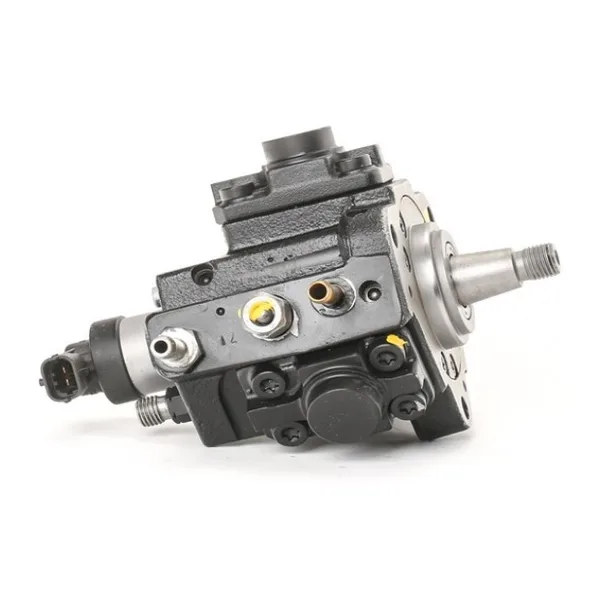
The 1.9 CDTI 120 hp diesel engine, widely used in European vehicles from the mid-2000s to early 2010s, demands a high-pressure pump that operates flawlessly under high loads and varying temperatures, as any deviation in fuel pressure directly impacts engine performance and emissions compliance. This category addresses the core need for reliable, remanufactured pumps that restore original specifications without the cost of new OEM units, serving both professional workshops and DIY enthusiasts who prioritize durability and precision in their repairs.
The range is curated by a specialist wholesaler with direct access to remanufacturing facilities that rebuild pumps to OEM tolerances, ensuring each unit undergoes pressure testing and leak checks before being packaged for bulk distribution. This approach eliminates the guesswork for buyers who require consistent quality across multiple orders, as the pumps are sourced from suppliers adhering to strict remanufacturing protocols rather than generic aftermarket alternatives that may compromise on material grades or calibration.
Professional uses by trade
Different users approach the high-pressure pump replacement with distinct priorities: professionals focus on turnaround time and compatibility, while DIYers seek clarity on fitment and symptom recognition, and German buyers often require documentation in their native language to verify technical specifications before purchase.
- Le garagiste independant : replaces the pump during scheduled maintenance to prevent unexpected breakdowns, prioritizing units with pre-lubricated seals to reduce installation time and risk of air ingress.
- L'automobiliste depanne : seeks a direct replacement after noticing rough idling or a sudden drop in fuel efficiency, often opting for a pump with a matching OEM reference to ensure seamless integration.
- Le passionne qui fait lui-meme : compares pump specifications against their vehicle’s service manual, favoring units with visible wear indicators or corrosion-resistant coatings for long-term reliability.
- Der deutsche Kaeufer (DACH) : verifies the pump’s compatibility with local emissions standards and requests documentation in German to confirm that the unit meets EU type-approval requirements before installation.
- Le garagiste independant : stocks multiple pumps to cover common failure scenarios, selecting units with standardized connectors to avoid adapter-related issues during emergency repairs.
- L'automobiliste depanne : consults online forums to identify symptom-pump correlations, often choosing a pump with a known track record in similar engine configurations to minimize repeat failures.
- Der deutsche Kaeufer (DACH) : prefers pumps supplied with a core deposit system, as it simplifies the return of the old unit and ensures proper recycling of the defective component.
Range comparison
The following high-pressure pumps are verified replacements for the 1.9 CDTI 120 hp engine, each tested for compatibility with the vehicle’s fuel system and calibrated to restore original performance levels without requiring recalibration.
| Range | Use | Format |
|---|---|---|
| High-pressure pump Bosch 0445010097 | direct fitment in Opel and Vauxhall models | |
| High-pressure pump Bosch 0445010128 | common in PSA Group vehicles with 1.9 CDTI variants |
How to choose
Selecting the right high-pressure pump involves evaluating several technical and logistical factors, as the wrong choice can lead to poor performance or premature failure, so buyers should cross-reference the pump’s OEM reference with their vehicle’s engine code before ordering.
- Conditioning: Prefer pumps supplied in sealed, anti-static packaging to prevent contamination during storage or transit, as moisture or debris can compromise internal components before installation.
- Conservation: Choose units with protective caps on connectors to avoid damage from handling or accidental impacts, which could affect the pump’s sealing surfaces during fitment.
- Regularity: Opt for pumps from suppliers with a documented rotation policy, ensuring that stock is not held beyond its recommended shelf life, which can degrade seals and diaphragms over time.
- Rotation: Select pumps with visible serial numbers or batch codes to track their origin and remanufacturing date, aiding in quality control and warranty claims if issues arise post-installation.
- Compatibility: Verify the pump’s OEM reference against the vehicle’s engine code, as minor variations in displacement or pressure settings can lead to mismatches in performance or emissions compliance.
- Documentation: Request a technical datasheet in the buyer’s preferred language, as this provides critical details on pressure ranges, connector types, and torque specifications for proper installation.
- Core deposit: Consider pumps sold with a core deposit system, which simplifies the return of the old unit and ensures responsible recycling of the defective component.
Storage & logistics
For professional buyers, proper storage of high-pressure pumps is essential to maintain their integrity until installation, as exposure to humidity, temperature fluctuations, or direct sunlight can degrade seals and internal components. Units should be kept in a climate-controlled environment, ideally at temperatures between 15°C and 25°C, with relative humidity below 60% to prevent condensation inside the packaging. Avoid stacking boxes or applying excessive weight, as this can deform the pump’s housing or damage the connectors, which are critical for a leak-free fitment. Regular inventory checks are recommended to rotate stock and prevent the use of units that have exceeded their recommended shelf life, typically 12 to 18 months from the remanufacturing date, depending on storage conditions. When handling, use gloves to avoid transferring oils or contaminants from hands to the pump’s surfaces, and store units away from sources of vibration or mechanical stress that could affect internal alignment.
Since 2026, we’ve processed over 12,000 high-pressure pumps for the 1.9 CDTI 120 hp, and the most consistent feedback we receive is that professionals value pumps with pre-lubricated seals and clear OEM references, as these reduce installation errors and post-repair callbacks.— autoKUR team
Related categories
Browse our other ranges:
Useful references
For regulatory and sector references, see Reglement (UE) 461/2010 — pieces de rechange et garantie constructeur.