
Available products
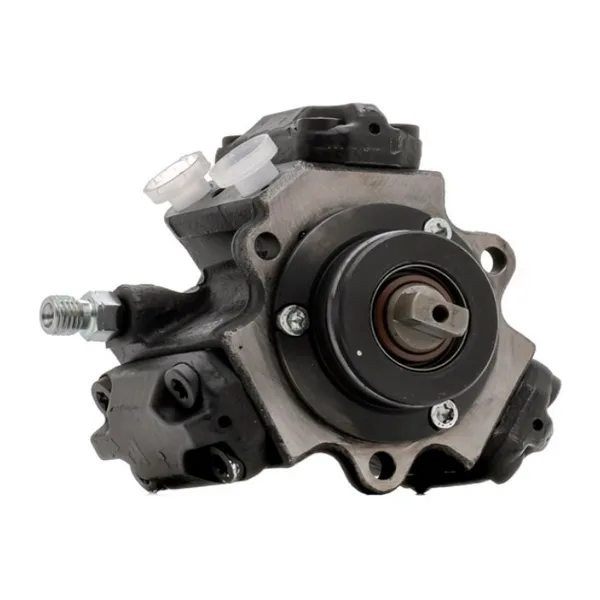
In stock
The MERCEDES Classe C Break (W203) 220 CDI 150 hp (110 kW diesel) is covered by 1 exchange-standard reference(s). Check output before displacement: it determines the part.
Engine specification: 2148 cm³, diesel, built from 2003 to 2008. Matching part number: 0445010078 (Bosch). Compare with the code stamped on your part.
Other engines of the MERCEDES Classe C Break (W203): 30 CDI AMG 231 hp, 320 CDI 224 hp, 270 CDI 170 hp. If the code stamped on your part is legible, search by reference remains the safest route. 24-month warranty.
Related categories
Frequently asked questions
About this category
The Mercedes-Benz OM651 220 CDI 150 hp engine, widely used in commercial vehicles and SUVs from 2008 to 2018, relies on a sophisticated common rail injection system where the high-pressure pump plays a pivotal role in delivering precise fuel quantities at extreme pressures. This category addresses the critical need for exchange-standard high-pressure pumps, offering remanufactured units that match OEM specifications while reducing downtime for garages and cost for DIY enthusiasts. Whether you are a professional mechanic facing a repeat failure or a vehicle owner diagnosing a misfire, understanding the pump’s function and failure symptoms is essential to restoring optimal engine performance.
The high-pressure pump for the OM651 220 CDI 150 hp is not a standalone component but part of a tightly integrated system where tolerances and material quality directly impact longevity. Our range is curated from leading remanufacturers who specialize in restoring pumps to their original performance levels, ensuring that each unit undergoes rigorous testing for pressure consistency and internal wear. By sourcing directly from these specialists, we eliminate the inefficiencies of traditional supply chains, providing workshops with a streamlined path to reliable replacements while maintaining competitive pricing structures that reflect the bulk nature of these orders.
Professional uses by trade
Different users approach the high-pressure pump for the OM651 220 CDI 150 hp with distinct priorities, whether it is the urgency of a roadside repair, the budget constraints of a small garage, or the technical curiosity of a passionate DIY mechanic. Understanding these perspectives helps in selecting the right solution for each scenario, from emergency replacements to planned maintenance.
- Le garagiste independant : Replace a failing high-pressure pump in under two hours to minimize vehicle downtime, using a remanufactured Bosch 0445010078 unit that matches OEM flow rates and pressure curves.
- Le garagiste independant : Stock a core deposit pump to offer customers a cost-effective exchange option, reducing upfront costs while ensuring a ready-to-fit replacement is always available.
- L'automobiliste depanne : Diagnose a ticking noise from the engine bay by checking the high-pressure pump’s mounting bolts and fuel lines before committing to a full replacement.
- L'automobiliste depanne : Address a sudden loss of power by verifying the pump’s pressure relief valve and fuel filter condition, as these are common failure points in high-mileage OM651 engines.
- Le passionne qui fait lui-meme : Source a used high-pressure pump from a salvage yard, ensuring compatibility by cross-referencing the engine code (OM651) and vehicle model year before purchase.
- Le passionne qui fait lui-meme : Test a suspect high-pressure pump by monitoring fuel pressure at the rail using a diagnostic tool, confirming whether the issue lies with the pump or the injectors.
- Der deutsche Kaeufer (DACH) : Order a remanufactured high-pressure pump with a German-made core to ensure compliance with local emissions standards and warranty expectations from German customers.
Range comparison
Selecting the correct high-pressure pump for the OM651 220 CDI 150 hp requires attention to compatibility beyond the basic engine code, as minor variations in model years and vehicle applications can influence fitment and performance.
| Range | Use | Format |
|---|---|---|
| High-pressure pump Bosch 0445010078 | DIY enthusiast rebuild project |
How to choose
Choosing the right high-pressure pump for the OM651 220 CDI 150 hp involves evaluating several factors beyond the basic reference, as the pump’s condition and compatibility directly impact engine reliability and repair costs.
- Prioritize pumps with a remanufactured core to ensure consistent pressure delivery and extended service life, avoiding units with visible corrosion or worn camshaft lobes.
- Select pumps that include a new delivery valve and pressure regulator to prevent premature failure, as these components are critical to maintaining rail pressure stability.
- Opt for suppliers who provide a core deposit option, allowing you to return the old pump and reduce the upfront cost of the replacement while ensuring proper disposal.
- Verify the pump’s compatibility with your vehicle’s model year and emission standard, as minor revisions in the OM651 series can affect fitment and performance.
- Check for included gaskets and seals to avoid last-minute trips to the parts store, as these small components often determine whether the pump installs smoothly on the first attempt.
- Favor pumps with a documented remanufacturing process, including pressure testing and leak checks, to ensure reliability in high-demand applications like commercial fleets.
- Consider the pump’s packaging and handling requirements, as improper storage can lead to contamination or damage before installation, especially in bulk orders.
Storage & logistics
Storing high-pressure pumps for the OM651 220 CDI 150 hp requires careful attention to environmental conditions to prevent contamination or internal corrosion, as these units are precision-engineered components sensitive to moisture and temperature fluctuations. Always keep pumps in their original packaging or a sealed plastic bag to block dust and humidity, and store them in a climate-controlled environment away from direct sunlight. For workshops handling bulk orders, use labeled shelving with clear identification to prevent mix-ups between different references or remanufactured states. Avoid stacking pumps vertically, as this can distort the housing or damage internal components like the camshaft or plunger. Regularly inspect stored pumps for signs of leakage or seal degradation, and rotate stock using a first-in-first-out system to ensure older units are used before newer arrivals. When handling core deposit pumps, store them separately in a designated area to streamline the return process and maintain accurate inventory records for accounting purposes.
Since 2026, we’ve seen the OM651 high-pressure pump fail in two distinct patterns: either the camshaft wears prematurely due to contaminated fuel, or the pressure regulator sticks, causing inconsistent rail pressure and power loss, which is why we always recommend a full system inspection alongside any pump replacement.— autoKUR team
Related categories
Browse our other ranges:
Useful references
For regulatory and sector references, see Reglement (UE) 461/2010 — pieces de rechange et garantie constructeur.