
Available products
In stock
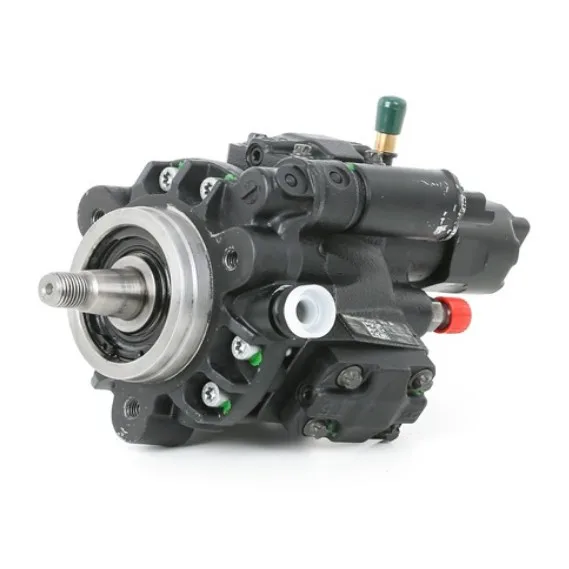
When your Ford 1.8 TDCi 100 HP engine loses power or smokes excessively, the high-pressure pump is often the culprit, a critical component in the diesel injection system that demands precision-engineered replacements to restore optimal performance. Discover our full range: Mondeo 4.
Garages and independent mechanics rely on bulk-packaged high-pressure pumps from trusted brands like SIEMENS-VDO to maintain workshop efficiency, ensuring calibrated units arrive ready for direct installation without costly delays or mismatched tolerances.
Our team sources remanufactured high-pressure pumps with consistent quality, verifying compatibility across model years to prevent misfires or premature wear in Ford 1.8 TDCi 100 HP applications.
Related categories
Frequently asked questions
About this category
The 1.8 TDCi 100 HP diesel engine, widely used in Ford models from the early 2000s, relies on a high-pressure pump to deliver precise fuel metering to the injectors. This category covers remanufactured exchange-standard pumps designed to restore engine responsiveness, reduce smoke emissions, and eliminate hesitation under load. Whether you are a professional mechanic or a DIY enthusiast, selecting the correct pump requires matching the OEM reference and understanding the pump’s role in the injection system.
This range is curated for professionals who prioritize reliability and traceability, sourcing pumps from suppliers with proven remanufacturing processes. The grossist model ensures consistent supply, with units pre-verified for dimensional accuracy and pressure regulation, reducing the risk of post-installation failures. Brands like SIEMENS-VDO are selected for their engineering heritage in diesel injection systems, offering a balance of performance and longevity.
Professional uses by trade
Different users approach the high-pressure pump replacement with distinct priorities: garages need bulk availability and fast turnaround, while DIYers seek clear compatibility guidance and minimal hassle. Professionals and enthusiasts alike benefit from understanding how the pump integrates with the engine’s fuel system and the symptoms of its failure.
- Independent garage: Replace a failing pump during a routine service to avoid costly call-outs for customers reporting power loss or excessive black smoke.
- Roadside breakdown mechanic: Carry a stocked high-pressure pump in the van to resolve on-site failures in Ford 1.8 TDCi 100 HP vehicles without towing.
- DIY enthusiast: Order a remanufactured pump with matching OEM reference to perform the replacement at home, saving labor costs while ensuring engine reliability.
- German DACH buyer: Source a pump with German-engineered tolerances for use in Ford models sold in the European market, ensuring compliance with local emissions standards.
- Fleet manager: Maintain a rotating stock of pumps to minimize downtime for company vehicles, leveraging bulk pricing and certified remanufacturing.
- Classic car restorer: Restore a vintage Ford with a remanufactured pump to original specifications, avoiding the risks of used or untested units.
- Performance tuner: Upgrade the pump to a higher-flow variant if increasing engine power, ensuring the injection system can support the new demands.
Range comparison
Below, you will find the available high-pressure pump options for the Ford 1.8 TDCi 100 HP, each listed with its exact OEM reference and core compatibility details. These units are sourced from remanufacturers with documented processes to ensure dimensional stability and pressure consistency.
| Range | Use | Format |
|---|---|---|
| High-pressure pump SIEMENS-VDO 5WS40094 | fleet maintenance rotation |
How to choose
Selecting the right high-pressure pump involves more than matching the OEM reference; consider the pump’s condition, packaging, and supplier reliability to avoid hidden costs or installation issues. Professionals should prioritize units with documented remanufacturing processes and clear return policies for core deposits.
- Verify the pump’s OEM reference matches your engine’s build year and power output to prevent fitment errors or performance mismatches.
- Check the packaging for tamper-evident seals and protective foam to ensure the pump arrives undamaged and ready for installation.
- Prioritize suppliers with a core deposit system to reduce upfront costs, allowing you to return the old pump for a refund or credit.
- Inspect the pump’s exterior for signs of corrosion or wear, as these may indicate internal damage or improper storage conditions.
- Confirm the supplier’s return window for defective units, ensuring you can address issues without extended downtime or additional expenses.
- Request documentation of the remanufacturing process, including pressure testing and component replacement records, for quality assurance.
- Compare bulk pricing across suppliers to balance upfront costs with long-term reliability, avoiding the false economy of cheaper, untested units.
Storage & logistics
High-pressure pumps must be stored in a climate-controlled environment, away from direct sunlight and moisture, to prevent seal degradation or internal corrosion. For bulk stock, use shelving with vibration dampening to avoid stressing the pump’s internal components. Regularly rotate inventory to ensure older units are used first, maintaining freshness and reducing the risk of seal failure. Avoid stacking pumps vertically, as this can distort the housing or damage the shaft. Always handle pumps with clean gloves to prevent contamination of the internal mechanisms, and store them in their original packaging until installation to preserve protective coatings.
With over a decade of sourcing remanufactured diesel components, our team has seen how a single high-pressure pump failure can cascade into engine damage if left unaddressed. We prioritize pumps with documented remanufacturing processes, ensuring each unit meets the tolerances of the original equipment, even after years of service.— autoKUR team
Related categories
Browse our other ranges:
Useful references
For regulatory and sector references, see Reglement (UE) 461/2010 — pieces de rechange et garantie constructeur.