

Available products
6 references
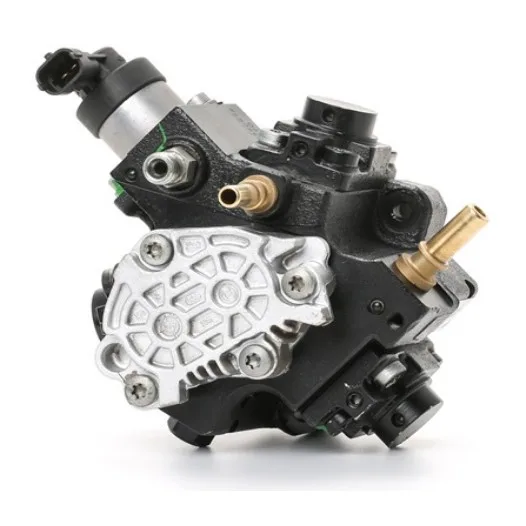


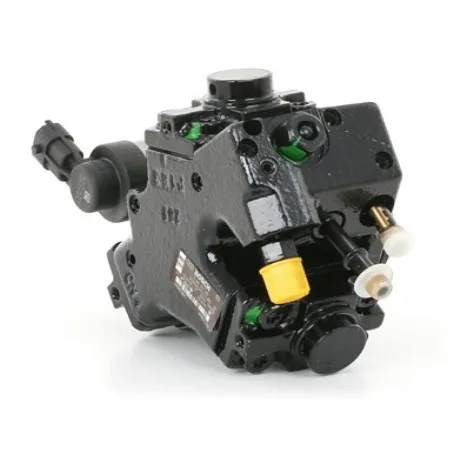
Frequently asked questions
About this category
The high-pressure pump is the heart of a diesel engine’s fuel system, converting mechanical energy into hydraulic pressure to atomize fuel for combustion. This category addresses the needs of mechanics who require exchange-standard units that restore engine performance without the wait or cost of new OEM parts. Whether for a Renault, Peugeot, or Volkswagen, the focus is on compatibility and immediate availability.
Each pump in this range is selected for its fitment across multiple vehicle models, reducing the need for multiple part numbers in stock. The supply chain leverages wholesale partnerships to ensure consistent availability, with units arriving pre-tested and packaged for quick integration into workshop workflows.
Professional uses by trade
Different users approach the high-pressure pump exchange standard for distinct reasons, from emergency repairs to planned maintenance. Mechanics prioritize speed and reliability, while DIYers seek cost-effective solutions that avoid dealership delays.
- Independent mechanic: Replace a failing pump in a 2015 Renault Scenic 1.5 dCi 110 to restore full power delivery without waiting for an OEM backorder.
- DIY enthusiast: Install a remanufactured Bosch 0445010226 in a 2012 Volkswagen Golf 2.0 TDI to avoid costly dealer visits for a known failure point.
- German workshop: Source Bosch 0445010102 for a BMW 320d to maintain fleet reliability during high-volume service intervals.
- Passionate driver: Fit a Bosch 0445010122 in a 2010 Ford Focus 1.6 TDCi to resolve rough idling and improve fuel efficiency after diagnosing a clogged pump.
- Professional garage: Use Bosch 0445010202 for a Mercedes-Benz C-Class 220 CDI to meet customer expectations for quick turnaround on common diesel issues.
- European motorist: Order a Bosch 0445010266 for a Peugeot 308 1.6 HDi to address a sudden loss of acceleration linked to pump pressure drop.
- Austrian buyer: Select Bosch 0445010243 for an Audi A4 2.0 TDI to ensure compatibility with local workshop standards and avoid import delays.
Range comparison
Below, you will find the exchange-standard high-pressure pumps available, each listed with its exact Bosch reference and primary applications across vehicle models and engine codes.
| Range | Use | Format |
|---|---|---|
| High-pressure pump Bosch 0445010226 | Renault Scenic 1.5 dCi | |
| High-pressure pump Bosch 0445010102 | Volkswagen Golf 2.0 TDI | |
| High-pressure pump Bosch 0445010122 | Ford Focus 1.6 TDCi | |
| High-pressure pump Bosch 0445010202 | Mercedes C-Class 220 CDI | |
| High-pressure pump Bosch 0445010266 | Peugeot 308 1.6 HDi | |
| High-pressure pump Bosch 0445010243 | Audi A4 2.0 TDI |
How to choose
Selecting the right high-pressure pump requires attention to vehicle compatibility, engine code, and the pump’s internal components such as the camshaft and delivery valves.
- Verify the engine code matches the pump’s OEM reference to avoid fitment issues in engines like the 1.5 dCi or 2.0 TDI.
- Check the pump’s delivery pressure rating to ensure it aligns with the vehicle’s fuel system requirements for optimal combustion.
- Inspect the condition of the camshaft and plunger assembly, as wear here directly impacts pressure consistency and engine performance.
- Confirm the pump’s rotation direction and mounting orientation to prevent installation errors in tight engine bays.
- Assess the pump’s inlet and outlet port sizes for compatibility with existing fuel lines and injectors in the system.
- Evaluate the pump’s age and storage conditions, as prolonged exposure to moisture can degrade internal seals and reduce lifespan.
- Prioritize pumps with a core deposit system to simplify returns of the old unit and reduce disposal costs for workshops.
Storage & logistics
High-pressure pumps must be stored in a climate-controlled environment to prevent corrosion of internal components and degradation of seals. For bulk orders, pallets should be stacked no higher than three layers to avoid crushing damage, and units should be rotated based on first-in-first-out principles to maintain freshness. Moisture barriers and desiccant packs are recommended for long-term storage, especially in regions with high humidity, to preserve the pump’s precision-machined parts and ensure reliable performance upon installation.
Since 2026, our team has handled thousands of high-pressure pump exchanges, refining our selection process to match each unit with the exact engine it serves, ensuring mechanics and drivers alike receive a product that restores performance without compromise.— autoKUR team
Related categories
Browse our other ranges:
Useful references
For regulatory and sector references, see Reglement (UE) 461/2010 — pieces de rechange et garantie constructeur.