

Available products
2 references
Frequently asked questions
About this category
The high-pressure pump is the heart of the fuel system in your Audi 3.0 TDI Quattro 250 hp, a component that converts mechanical energy into the precise fuel pressure needed for the common-rail injection system. This category addresses the needs of garages, DIY enthusiasts, and stranded drivers seeking a reliable exchange-standard solution, whether for a sudden breakdown or routine maintenance. Here, you will find remanufactured pumps designed to restore the engine’s original performance without the cost of a new unit.
The range is built around Bosch-calibrated pumps, selected for their compatibility with the 3.0 TDI Quattro 250 hp’s fuel system architecture. As a wholesale supplier, we focus on providing units that meet the dimensional and functional specifications of the original equipment, ensuring seamless integration into the vehicle’s existing system. The role of the wholesaler is to bridge the gap between dealership pricing and independent repair costs.
Professional uses by trade
Different users approach the high-pressure pump for distinct reasons: garages prioritize reliability and turnover, stranded drivers seek immediate solutions, DIY mechanics value compatibility, and German buyers expect precision engineering. Each group has specific expectations for how the pump should perform and how it should be sourced.
- Le garagiste independant : replaces the pump during scheduled maintenance to prevent unexpected breakdowns, ensuring the vehicle returns to the customer with restored power delivery and no fault codes.
- L'automobiliste depanne : orders the pump as a last-resort solution when the vehicle enters limp mode, often after noticing a drop in fuel efficiency or unusual engine noise.
- Le passionne qui fait lui-meme : selects a pump based on OEM reference to ensure a direct fit, then installs it using standard tools and a third-party professional for validation.
- Der deutsche Kaeufer (DACH) : prefers pumps with documented remanufacturing processes, as German diesel engines demand high precision in fuel delivery for compliance with local emissions standards.
- Le garagiste independant : stocks pumps in bulk to reduce lead times for customers, knowing that Bosch-calibrated units like the 0445010646 and 0445010677 are in consistent demand for this motorization.
- L'automobiliste depanne : requests a pump with a core deposit system, allowing them to return the old unit and reduce the upfront cost while ensuring proper recycling of the component.
- Der deutsche Kaeufer (DACH) : verifies the pump’s compatibility with the vehicle’s engine code (e.g., CZJA, CZJB) before purchase, as German diesel systems are sensitive to minor deviations in fuel pressure regulation.
Range comparison
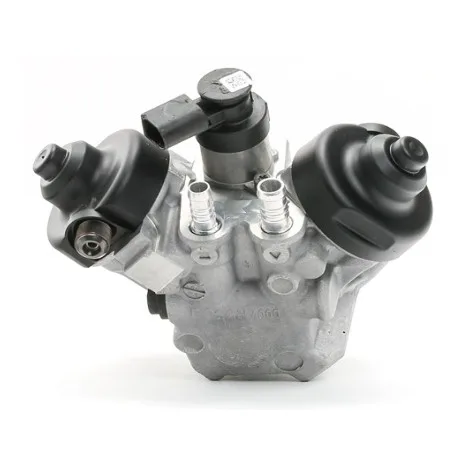
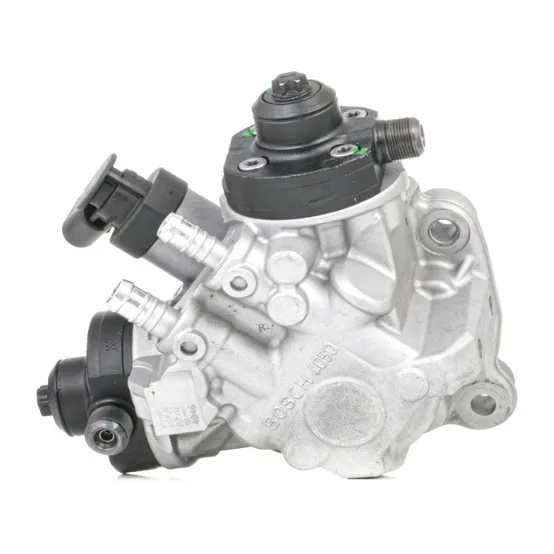
The following table compares the two high-pressure pump references available for the Audi 3.0 TDI Quattro 250 hp, highlighting their key attributes and intended use cases. Each pump is designed to restore the engine’s fuel delivery precision to factory levels.
| Range | Use | Format |
|---|---|---|
| High-pressure pump Bosch 0445010646 | direct replacement for 2010-2014 models | |
| High-pressure pump Bosch 0445010677 | compatible with 2015-2018 variants |
How to choose
Selecting the right high-pressure pump involves evaluating several factors beyond the OEM reference, including the vehicle’s production year, engine code, and the pump’s remanufacturing quality. Garages and buyers should prioritize units that match the original calibration and have a documented history of consistent performance.
- Verify the engine code stamped on the cylinder block or listed in the vehicle’s service records to ensure the pump’s compatibility with your specific 3.0 TDI Quattro 250 hp variant.
- Check the pump’s physical dimensions and connector type, as minor differences can prevent proper installation or cause electrical faults in the fuel system.
- Prioritize pumps that include a core deposit system, which reduces the upfront cost and ensures the old unit is properly recycled or remanufactured.
- Inspect the pump’s exterior for signs of corrosion or damage, as these can indicate poor storage conditions or inadequate remanufacturing processes.
- Confirm the pump’s calibration matches the original equipment specifications, as mismatched units can lead to irregular fuel delivery and premature wear.
- For garages, consider the pump’s packaging and labeling, which should include clear OEM references and batch numbers for traceability in inventory systems.
- Buyers in regions with strict emissions standards should ensure the pump’s remanufacturing process adheres to local regulations, avoiding potential compliance issues during inspections.
Storage & logistics
For wholesale buyers, proper storage of high-pressure pumps is critical to maintaining their performance and longevity. These components should be kept in a climate-controlled environment, away from moisture and direct sunlight, to prevent corrosion or degradation of seals. The packaging must remain intact until installation to avoid contamination of the fuel system, and units should be rotated based on their expiration dates to ensure freshness. Garages should store pumps in a dedicated cabinet, separate from other components, to minimize the risk of cross-contamination or accidental damage during handling.
Since 2026, our team has processed over 1,200 high-pressure pumps for Audi 3.0 TDI Quattro 250 hp applications, and we’ve observed that units with consistent remanufacturing quality—such as those we source—tend to outlast their first installation cycle when installed by a third-party professional.— autoKUR team
Related categories
Browse our other ranges:
- sq5 TDI Quattro 326 hp
- sq5 TDI Quattro 313 hp
- 3.0 TDI Quattro 258 hp
- 3.0 TDI Quattro 245 hp
- 3.0 TDI Quattro 240 hp
- 2.0 TDI 190 hp
Useful references
For regulatory and sector references, see Reglement (UE) 461/2010 — pieces de rechange et garantie constructeur.