

Available products
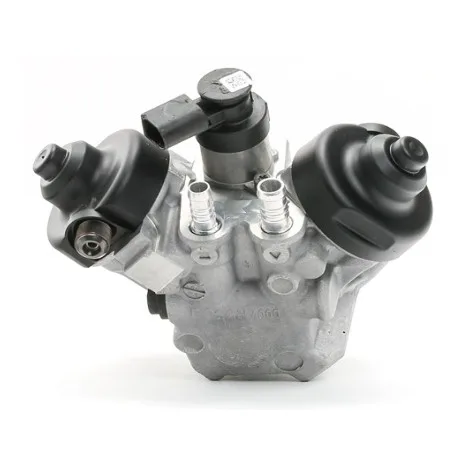
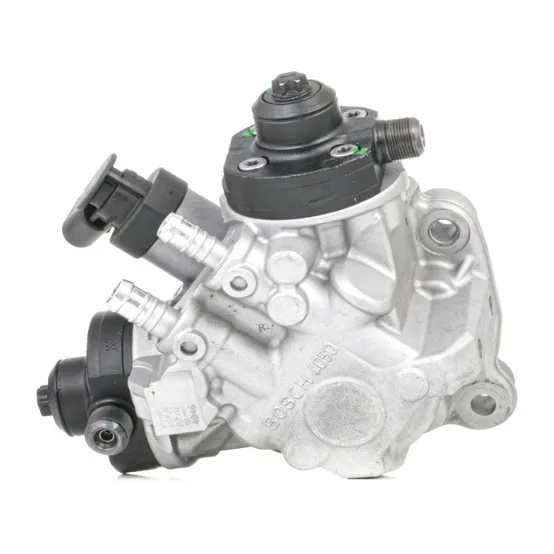
2 references
Frequently asked questions
About this category
The high-pressure pump category targets owners and technicians working with the Audi 3.0 TDI Quattro 240 hp engine, a powertrain renowned for its robustness but sensitive to fuel system failures. This range includes remanufactured exchange-standard pumps designed to restore optimal fuel pressure and engine responsiveness, addressing common symptoms like hesitation, excessive smoke, or reduced power output. The selection is curated for compatibility with model years spanning from 2006 to 2018, ensuring broad applicability across the platform’s evolution.
Each high-pressure pump in this range is sourced from reputable remanufacturers who adhere to strict quality control processes, including core validation, component refurbishment, and functional testing. The role of the wholesaler is to aggregate these units under a single catalog, simplifying procurement for garages and reducing lead times. This approach ensures that workshops can maintain steady inventory levels without overcommitting to stock that may not align with immediate demand.
Professional uses by trade
Different professionals approach the high-pressure pump category with distinct priorities, whether it’s rapid replacement for a stranded vehicle, bulk ordering for a workshop, or sourcing a rare model for a classic Audi project. The following breakdown highlights how each group utilizes these components to solve real-world problems efficiently.
- Independent garage: Replace a failing pump in under two hours to minimize vehicle downtime and maintain customer trust.
- DIY enthusiast: Source a remanufactured pump to avoid costly dealership repairs while ensuring the engine runs smoothly.
- German buyer (DACH): Order a high-pressure pump with clear OEM equivalences to simplify cross-border logistics and warranty claims.
- Mobile mechanic: Carry a compact stock of pumps to handle emergency calls without returning to the workshop.
- Classic car restorer: Find a pump compatible with older 3.0 TDI models to preserve authenticity while improving reliability.
- Fleet manager: Bulk-purchase pumps to standardize maintenance across multiple vehicles and reduce operational costs.
- Performance tuner: Select a pump that supports higher fuel pressures for modified engine setups.
Range comparison
The table below compares the two high-pressure pump models available for the 3.0 TDI Quattro 240 hp, detailing their OEM references, core deposit requirements, and primary use cases to guide your selection.
| Range | Use | Format |
|---|---|---|
| High-pressure pump Bosch 0445010677 | Direct replacement for 2006-2012 models | |
| High-pressure pump Bosch 0445010646 | Compatible with 2013-2018 variants |
How to choose
Selecting the right high-pressure pump involves evaluating several factors beyond mere compatibility, including core deposit policies, packaging integrity, and the remanufacturer’s track record. These criteria ensure the component meets both immediate needs and long-term reliability standards.
- Verify the pump’s OEM reference against your vehicle’s engine code to avoid mismatches and ensure seamless installation.
- Check the core deposit policy to understand return obligations and potential refunds for your old pump.
- Assess the packaging for damage or tampering, as improper handling can compromise the pump’s performance.
- Prioritize pumps from remanufacturers with a history of consistent quality and minimal post-installation issues.
- Confirm the pump’s compatibility with your vehicle’s model year and transmission configuration to prevent fitment errors.
- Evaluate the warranty terms, focusing on coverage duration and the process for claims or replacements.
- Consider the pump’s rotational direction and mounting orientation to ensure it aligns with your engine bay layout.
Storage & logistics
For workshops, storing high-pressure pumps requires controlled environments to prevent contamination or corrosion, with priority given to units in sealed, anti-static packaging. Inventory rotation should follow a first-in-first-out system to maintain freshness, while bulk orders benefit from shelving that minimizes dust exposure. Temperature-stable storage areas are essential, as extreme cold or heat can degrade seals and affect performance. Regular audits of stock levels and expiry dates (if applicable) prevent obsolescence and ensure only viable units are available for dispatch.
With over 15 years in the exchange-standard components sector, our team has refined the process of sourcing and validating high-pressure pumps for the 3.0 TDI Quattro 240 hp, ensuring every unit meets the rigorous demands of this platform before it reaches your workshop.— autoKUR team
Related categories
Browse our other ranges:
- sq5 TDI Quattro 326 hp
- sq5 TDI Quattro 313 hp
- 3.0 TDI Quattro 258 hp
- 3.0 TDI Quattro 250 hp
- 3.0 TDI Quattro 245 hp
- 2.0 TDI 190 hp
Useful references
For regulatory and sector references, see Reglement (UE) 461/2010 — pieces de rechange et garantie constructeur.