

Available products
4 references
Frequently asked questions
About this category
The 2.7 TDI 163 hp diesel engine, found in models from major manufacturers, relies on a high-pressure pump to deliver precise fuel quantities under extreme conditions. This category addresses the needs of garages, breakdown mechanics, DIY repairers, and German-speaking buyers by offering exchange-standard pumps that restore original performance without the cost of new OEM parts.
Sourced from specialized suppliers, this range is curated to meet the demands of professionals who require calibrated, ready-to-install units. The wholesale model ensures availability, traceability, and cost control, while the exchange-standard approach reduces waste and environmental impact by reusing compatible cores.
Professional uses by trade
Different users approach high-pressure pump replacement with distinct priorities, whether it’s restoring a vehicle’s performance, meeting workshop deadlines, or ensuring long-term reliability. Each profile—garage, breakdown mechanic, DIYer, or German buyer—requires tailored solutions that balance efficiency and practicality.
- Le garagiste independant : Replace a failing high-pressure pump in a 2012 Audi A6 2.7 TDI to restore full power delivery and avoid costly customer complaints.
- Le garagiste independant : Source bulk high-pressure pumps for a fleet of company vehicles to minimize downtime and maintain consistent performance across models.
- L'automobiliste depanne : Diagnose a sudden loss of power in a Volkswagen Passat 2.7 TDI by testing the high-pressure pump before committing to a replacement.
- L'automobiliste depanne : Order an exchange-standard high-pressure pump online to fit a 2010 Škoda Superb 2.7 TDI and avoid expensive dealership repairs.
- Le passionne qui fait lui-meme : Swap a faulty high-pressure pump in a 2008 Seat Alhambra 2.7 TDI using basic tools and a repair manual for a cost-effective solution.
- Le passionne qui fait lui-meme : Verify pump compatibility with the vehicle’s engine code (e.g., AYL, BCZ) before purchasing to ensure a perfect fit.
- Der deutsche Kaeufer (DACH) : Purchase a high-pressure pump for a 2009 Audi Q7 2.7 TDI from a supplier offering German-language support and fast delivery across DACH regions.
Range comparison
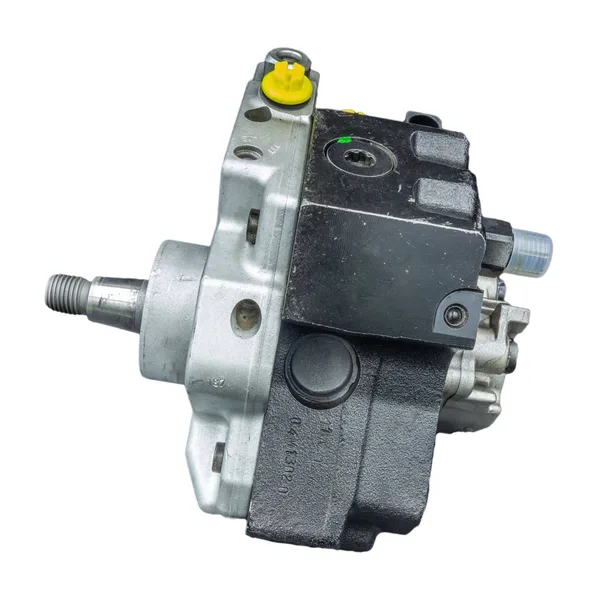
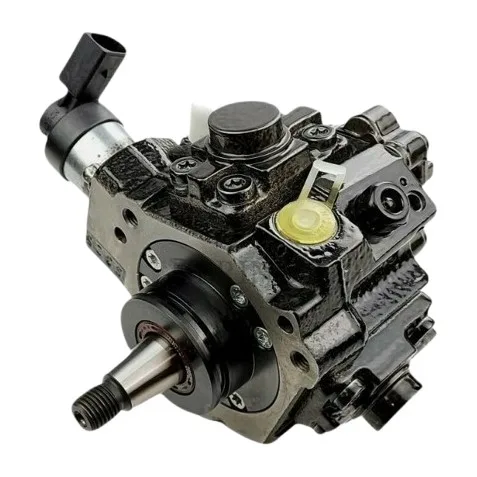
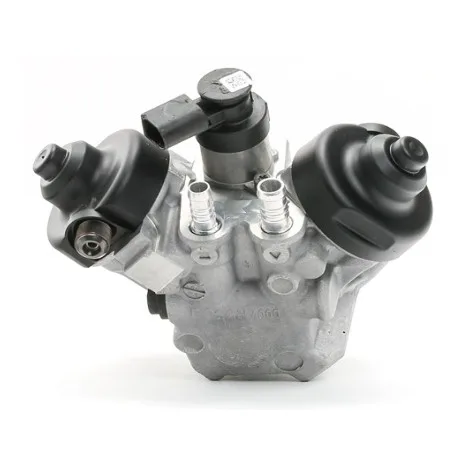
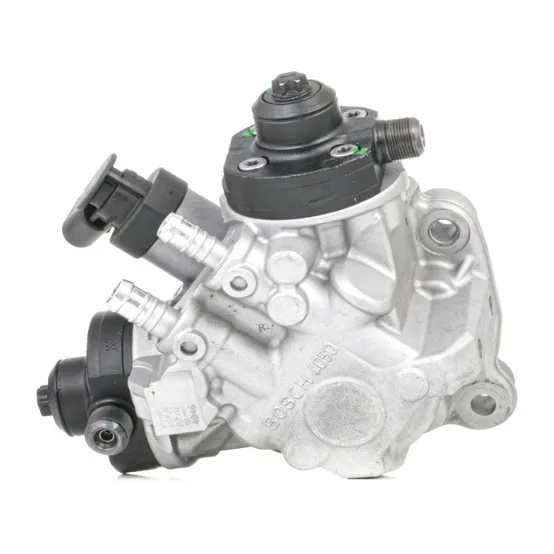
This range includes Bosch high-pressure pumps specifically calibrated for the 2.7 TDI 163 hp engine, ensuring direct replacement without modifications or guesswork.
| Range | Use | Format |
|---|---|---|
| High-pressure pump Bosch 0445010154 | fits Audi A6, A8, and Volkswagen Phaeton | |
| High-pressure pump Bosch 0445010090 | compatible with Škoda Superb and Seat Alhambra | |
| High-pressure pump Bosch 0445010646 | designed for Volkswagen Touareg and Audi Q7 | |
| High-pressure pump Bosch 0445010677 | supports models like the Porsche Cayenne Diesel |
How to choose
Selecting the right high-pressure pump involves checking OEM references, verifying engine compatibility, and assessing condition—whether exchange-standard or remanufactured.
- Confirm the pump’s OEM reference matches your vehicle’s engine code to avoid installation issues and ensure optimal performance.
- Inspect the pump’s condition for signs of wear, such as corrosion or damaged fittings, to determine if exchange-standard is sufficient.
- Prioritize pumps with a consistent flow rate and pressure output to maintain engine efficiency and prevent premature wear.
- Opt for units with a core deposit system to reduce upfront costs while ensuring responsible recycling of used components.
- Choose suppliers offering traceability through batch numbers or QR codes to validate the pump’s origin and remanufacturing process.
- Evaluate packaging quality to ensure the pump arrives undamaged, especially for bulk orders destined for workshops with tight deadlines.
Storage & logistics
High-pressure pumps must be stored in a dry, temperature-controlled environment to prevent seal degradation and corrosion. For workshops, vertical storage in labeled bins minimizes handling damage and allows quick identification by OEM reference. Bulk orders should be rotated based on expiry dates, if applicable, to maintain inventory freshness. German buyers should ensure storage complies with local regulations for automotive parts, avoiding exposure to moisture or extreme temperatures that could compromise performance.
With over a decade of experience in exchange-standard components, our team ensures every high-pressure pump meets the strict tolerances required for 2.7 TDI engines, restoring reliability without the premium of new OEM parts.— autoKUR team
Related categories
Browse our other ranges:
- 3.0 TDI Quattro 240 hp
- 3.0 TDI Quattro 233 hp
- 3.0 TDI Quattro 225 hp
- 3.0 TDI Quattro 211 hp
- 2.7 TDI 190 hp
- 2.7 TDI Quattro 190 hp
Useful references
For regulatory and sector references, see Reglement (UE) 461/2010 — pieces de rechange et garantie constructeur.