

Available products
2 references
Frequently asked questions
About this category
The 2.0 TDI 143 hp engine, widely used in Volkswagen, Audi, Seat, and Škoda models from the mid-2000s onward, demands high-precision fuel delivery to maintain efficiency and emissions compliance. This category focuses exclusively on high-pressure pumps designed for exchange standard applications, where remanufactured units offer a cost-effective alternative to new OEM parts without sacrificing durability. Whether you are a professional mechanic seeking bulk stock or an automotive enthusiast performing a DIY repair, this section provides the technical clarity needed to select the correct component for your motorization.
High-pressure pumps for the 2.0 TDI 143 hp are engineered to meet stringent OEM tolerances, with remanufacturing processes restoring internal components to factory specifications while extending service life. As a wholesale supplier, we aggregate calibrated units from certified remanufacturers, ensuring consistent quality across batches. This approach eliminates the unpredictability of used parts while avoiding the premium pricing of brand-new OEM components, making it an ideal solution for both independent workshops and private owners seeking reliable replacements.
Professional uses by trade
Different user profiles approach high-pressure pump replacement with distinct priorities: professionals prioritize bulk availability and compatibility, while private owners focus on ease of installation and long-term reliability. Below, we outline how each group can leverage this category to resolve fuel system issues efficiently.
- Independent garages: Source remanufactured high-pressure pumps in bulk to reduce inventory costs and streamline repair workflows for multiple vehicle models.
- DIY enthusiasts: Purchase exchange standard pumps with clear OEM references to simplify self-installation and avoid costly workshop visits.
- German-speaking buyers (DACH): Access high-pressure pumps with German-language documentation and support for seamless integration into local repair practices.
- Fleet managers: Replace failing pumps across multiple vehicles to maintain operational continuity and avoid unplanned downtime.
- Classic car restorers: Find remanufactured pumps for older 2.0 TDI engines where new OEM parts are no longer available or prohibitively expensive.
- Performance tuners: Upgrade to high-flow pumps during engine modifications to support increased fuel demands without compromising reliability.
- Eco-conscious owners: Opt for remanufactured pumps to reduce waste and extend the lifecycle of existing engine components.
Range comparison
This section presents the available high-pressure pump variants for the 2.0 TDI 143 hp, each listed with its OEM reference and core compatibility details. The table below helps you identify the exact unit required for your vehicle’s motorization, ensuring precise fitment and performance.
| Range | Use | Format |
|---|---|---|
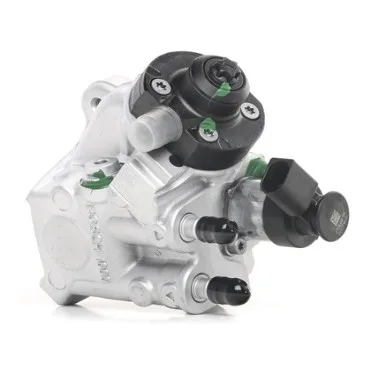
| High-pressure pump Bosch 0445010507 | Direct replacement for 2.0 TDI 143 hp engines | |
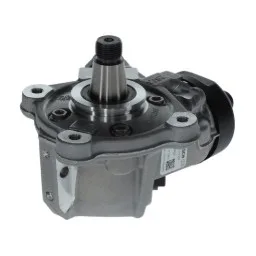
| High-pressure pump Bosch 0445010566 | High-flow variant for tuned or modified engines |
How to choose
Selecting the right high-pressure pump involves evaluating several technical and logistical factors beyond mere OEM compatibility. Below, we outline the key criteria professionals and private owners should consider to ensure a successful replacement.
- OEM reference matching: Verify the pump’s part number against your engine’s build specifications to avoid misfit and potential damage.
- Remanufacturing quality: Prioritize pumps with documented core restoration processes to ensure consistent performance and longevity.
- Core deposit policy: Understand the consignment terms for returning the old pump to avoid unexpected fees or delays in processing.
- Bulk pricing tiers: Compare wholesale rates for multiple units to optimize repair budgets for workshops or fleet operations.
- Documentation clarity: Choose pumps with clear technical manuals or QR codes linking to installation guides for DIY users.
- Brand reputation: Select pumps from manufacturers with a track record in diesel injection systems to minimize failure risks.
- Rotation and shelf life: Confirm storage conditions and expiration dates to prevent degradation before installation.
Storage & logistics
For workshops and distributors, proper storage of exchange standard high-pressure pumps is essential to maintain their calibrated state and prevent contamination. These units should be kept in climate-controlled environments away from direct sunlight and moisture, with protective caps on connectors to avoid ingress of debris. Regular inventory rotation ensures older stock is used first, reducing the risk of performance degradation over time. For private owners, storing a spare pump in its original packaging protects it from dust and accidental damage until installation. Always handle pumps with care, avoiding drops or impacts that could misalign internal components. When transporting pumps, secure them in padded containers to prevent vibration damage, especially during bulk deliveries to remote locations.
With over a decade of experience in diesel injection systems, our team has seen firsthand how a well-matched high-pressure pump can restore a 2.0 TDI engine’s performance without the expense of a new OEM unit, proving that remanufactured doesn’t mean compromised.— autoKUR team
Related categories
Browse our other ranges:
Useful references
For regulatory and sector references, see Reglement (UE) 461/2010 — pieces de rechange et garantie constructeur.