
Available products
In stock
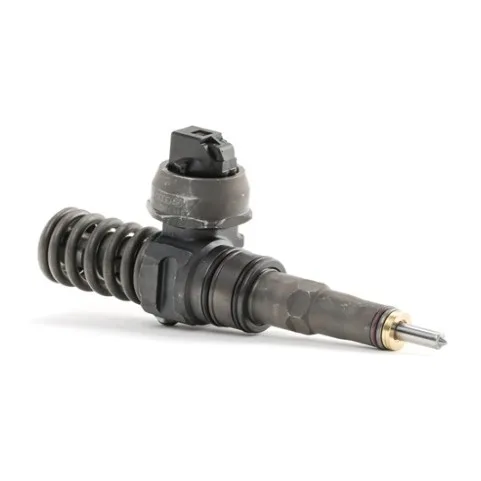
For the VOLKSWAGEN Caddy 3 (2KB / 2KA / 2KJ / 2CB / 2CJ) in 2.0 SDI 70 hp (51 kW diesel), the autoKUR catalogue holds 1 exchange-standard reference(s). At equal displacement, two outputs do not call for the same part.
Engine specification: 1968 cm³, diesel. Matching part number: 0414720282 (Bosch). Compare with the code stamped on your part.
Other engines of the VOLKSWAGEN Caddy 3 (2KB / 2KA / 2KJ / 2CB / 2CJ): 2.0 TDI 170 hp, 2.0 TDI 140 hp, 2.0 TDI 110 hp. If the code stamped on your part is legible, search by reference remains the safest route. 24-month warranty.
Related categories
Frequently asked questions
About this category
The 2.0 SDI injector exchange standard category serves owners and technicians working with Volkswagen’s 2.0 SDI diesel engines, a platform known for its durability and widespread use in commercial and passenger vehicles across Europe. This range focuses exclusively on remanufactured injectors designed to restore fuel delivery precision, addressing common issues like uneven power delivery, excessive smoke, or rough idling that often stem from degraded injector performance. The category is structured to provide clarity for both professionals and enthusiasts, with clear motorization references and compatibility notes to prevent mismatches.
This injector range is built on a foundation of remanufacturing expertise, where each unit undergoes a rigorous process to restore its original specifications, including precision calibration, leak testing, and functional validation against OEM benchmarks. The supply chain is managed through a network of certified remanufacturers, ensuring consistency in quality while maintaining competitive pricing for bulk orders. The grossist role here is pivotal, bridging the gap between high-volume demand from workshops and the need for reliable, ready-to-install components that reduce downtime and improve first-time fix rates.
Professional uses by trade
Different user profiles approach the 2.0 SDI injector category with distinct priorities, whether it’s the urgency of a roadside breakdown, the precision required in a professional workshop, or the cost-conscious mindset of a DIY restorer. Each group seeks the same outcome—restored engine performance—but through different lenses of efficiency, reliability, and budget.
- Le garagiste independant : Replaces worn injectors in fleet vehicles to restore consistent power output and reduce customer complaints about rough idling or excessive exhaust smoke.
- L'automobiliste depanne : Orders a remanufactured injector as a direct replacement for a failing unit, avoiding costly dealership visits while ensuring the engine runs smoothly again.
- Le passionne qui fait lui-meme : Sources a pre-tested injector to complete a restoration project, prioritizing compatibility and ease of installation over aftermarket alternatives.
- Der deutsche Kaeufer (DACH) : Selects an injector with clear OEM references to maintain warranty compliance or resale value, especially for older TDI models still in daily use.
- Le garagiste independant : Uses bulk orders to stock injectors for common motorizations, reducing lead times for repeat customers and improving workshop efficiency.
- L'automobiliste depanne : Chooses an injector with a known core deposit system to minimize upfront costs while ensuring a straightforward return process for the old part.
- Le passionne qui fait lui-meme : Verifies injector compatibility with the engine code before purchase to avoid mismatches, relying on detailed technical documentation for peace of mind.
Range comparison
The following table presents the available injector options for the 2.0 SDI platform, each listed with its exact reference to ensure precise identification and compatibility. These units are sourced from reputable remanufacturers and are designed to meet the performance standards expected by both professionals and private users.
| Range | Use | Format |
|---|---|---|
| Injector Bosch 0414720282 | Direct replacement for 2.0 SDI engines |
How to choose
Selecting the right injector for a 2.0 SDI engine involves evaluating several key factors beyond mere compatibility, including the condition of the unit, its packaging for storage, and the supplier’s track record in remanufacturing diesel components.
- Conditioning: Opt for injectors packaged in sealed, anti-static containers to prevent contamination and ensure they arrive ready for immediate installation without additional preparation.
- Conservation: Prioritize units stored in climate-controlled environments to avoid moisture damage or seal degradation, which can compromise performance over time.
- Regularity: Choose suppliers with a consistent supply chain to avoid delays, as injector availability can fluctuate based on remanufacturing cycles and demand.
- Rotation: Select injectors from batches with recent production dates to minimize the risk of hidden wear or outdated calibration, even if the unit is labeled as remanufactured.
- Compatibility: Verify the injector’s fitment against the engine code and vehicle model year, as slight variations can lead to improper spray patterns or fuel delivery issues.
- Core deposit: Consider suppliers offering a core deposit system to reduce upfront costs, ensuring a straightforward return process for the old injector without hidden fees.
- Brand reputation: Evaluate the remanufacturer’s standing in the industry, as established brands often provide better post-installation reliability and support for troubleshooting.
Storage & logistics
For workshops and private users alike, proper storage of remanufactured injectors is essential to maintain their performance until installation. Units should be kept in their original, sealed packaging in a dry, temperature-stable environment, away from direct sunlight and sources of vibration. Avoid stacking heavy items on top of the boxes, as this can deform the injectors or compromise their seals. If storing for extended periods, periodically check the packaging for signs of wear or moisture ingress, and rotate stock to ensure older batches are used first. For bulk orders, consider using dedicated shelving with dividers to prevent contact between units, which could lead to scratches or contamination. Always handle injectors with clean, dry hands or gloves to avoid transferring oils or residues that could affect their function.
With over a decade in diesel injection systems, our team has seen firsthand how a well-chosen remanufactured injector can transform a struggling engine into a reliable workhorse, often at a fraction of the cost of a new unit.— autoKUR team
Related categories
Browse our other ranges:
Useful references
For regulatory and sector references, see Reglement (UE) 461/2010 — pieces de rechange et garantie constructeur.