

Available products
3 references
Frequently asked questions
About this category
The 1.9 TDI 105 HP diesel engine, found in models from the late 1990s to early 2010s, remains a workhorse in many European vehicles due to its durability and fuel efficiency. This category focuses on the fuel injector system, a critical component where wear and carbon buildup can lead to performance issues. Whether you're a mechanic troubleshooting a misfire, a car owner restoring a classic, or a German buyer seeking reliable parts, this section provides the technical details needed to identify the right injector for your motorization. No assumptions are made about your vehicle's history—only compatibility with the engine code and power output matters here.
The injector range for the 1.9 TDI 105 HP is built around Bosch's proven designs, selected for their compatibility with Volkswagen Group engines and aftermarket availability. As a wholesale supplier, we source these injectors from remanufacturing specialists who restore them to original performance standards. The process involves precision calibration, leak testing, and validation against OEM specifications, ensuring each unit meets the demands of professional workshops and private restorers alike. No shortcuts are taken—only parts that pass rigorous checks are included in this category.
Professional uses by trade
Different users approach injector replacement with distinct priorities: garages need efficiency and bulk availability, DIY mechanics seek clarity in compatibility, car owners want reliability, and German buyers expect precision engineering. This section breaks down how each group can leverage this category to solve their specific challenges without unnecessary complexity.
- Independent garage: Replace worn injectors during routine maintenance to prevent costly engine damage and customer complaints about rough idling or power loss.
- DIY mechanic: Order the exact injector model for your 1.9 TDI to avoid trial-and-error purchases and ensure a smooth installation process.
- Car owner restoring a classic: Source a remanufactured injector to restore original performance without the expense of a brand-new OEM part.
- German buyer (DACH): Select an injector with documented remanufacturing standards to meet local expectations for quality and durability.
- Workshop manager: Stock these injectors to reduce downtime for customers presenting with injector-related faults, especially in high-mileage vehicles.
- Passionate enthusiast: Pair a new injector with fresh fuel filters to maximize engine efficiency and longevity in a project car.
- Fleet operator: Use exchange-standard injectors to maintain consistent performance across multiple vehicles with identical motorizations.
Range comparison
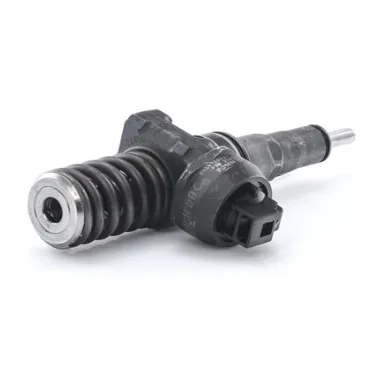
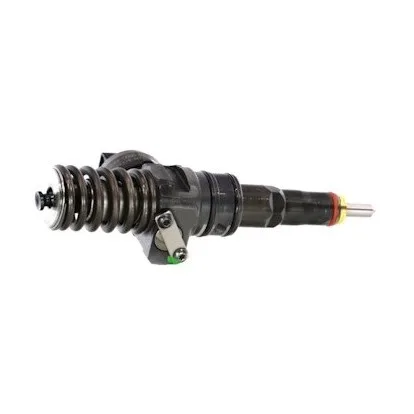
Three Bosch injector models cover the 1.9 TDI 105 HP range, each designed for specific engine codes and power outputs. These references are sourced from remanufacturing specialists to ensure they meet the demands of both professional and private users.
| Range | Use | Format |
|---|---|---|
| Injector Bosch 0414720037 | direct replacement for common 1.9 TDI variants | |
| Injector Bosch 0414720363 | high-flow option for tuned or modified engines | |
| Injector Bosch 0414720215 | standard fitment for stock engine configurations |
How to choose
Selecting the right injector involves more than matching the part number—it requires understanding the engine's history, the injector's condition, and the workshop's workflow. This section outlines the key factors professionals and enthusiasts should weigh before ordering.
- Condition of the core: Inspect the returned injector for physical damage or excessive wear to determine if remanufacturing is viable or if a new unit is needed.
- Compatibility with engine code: Verify the injector's fitment against your vehicle's motorization, including power output and year of manufacture, to avoid mismatches.
- Consignment terms: Evaluate the core deposit fee and return process to minimize upfront costs, especially for high-volume workshops.
- Remanufacturing standards: Prefer injectors processed with OEM-equivalent calibration and testing to ensure consistent performance post-installation.
- Packaging and handling: Choose injectors shipped in protective packaging to prevent damage during transit, critical for DIY installations.
- Rotation and stock management: For garages, prioritize injectors with long shelf life and clear expiration dates to avoid obsolete inventory.
- Documentation and traceability: Request batch numbers and remanufacturing reports to track part history, useful for warranty claims or customer transparency.
Storage & logistics
Proper storage of reconditioned injectors is essential to maintain their performance until installation. These parts should be kept in a climate-controlled environment, away from direct sunlight and moisture, to prevent seal degradation or corrosion. For workshops, organizing injectors by motorization and power output in labeled bins streamlines retrieval during repairs. Avoid stacking heavy items on top of injector cases to prevent deformation of the precision-machined components. Regular inventory audits help identify units approaching their recommended shelf life, ensuring only fresh stock is used. When handling injectors, wear gloves to avoid contaminating the sealing surfaces with skin oils, which can compromise performance. For bulk shipments, use desiccant packs in storage containers to control humidity levels, particularly in regions with high seasonal variations.
Since 2026, we’ve seen how a single faulty injector can cascade into engine damage if left unaddressed—our remanufactured units restore balance to these systems without the premium of new OEM parts. Precision calibration and rigorous testing are non-negotiable when your reputation depends on the repairs you deliver.— autoKUR team
Related categories
Browse our other ranges:
Useful references
For regulatory and sector references, see Reglement (UE) 461/2010 — pieces de rechange et garantie constructeur.