

Available products
5 references


Frequently asked questions
About this category
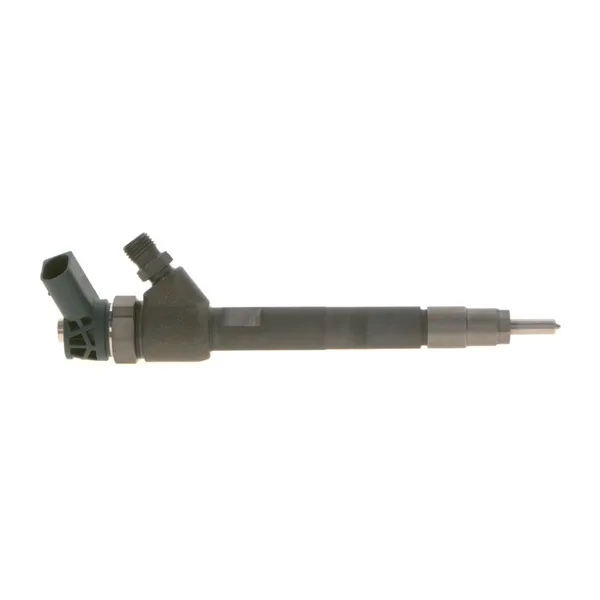
This category covers fuel injectors for the Mercedes-Benz OM651 114 CDI engine producing 136 horsepower, a 2.1-liter four-cylinder diesel unit widely used in commercial vehicles and passenger cars from 2008 to 2018. The injectors in this range are designed for exchange-standard applications, meaning they replace a faulty unit without requiring full engine disassembly. Each injector is tested for spray pattern, electrical resistance, and leak tightness to ensure reliable operation in high-pressure common-rail systems.
The range is curated by a specialist wholesaler with direct access to OEM and aftermarket suppliers, ensuring availability of both Bosch and Delphi injectors. The selection prioritizes units with proven durability in stop-and-go urban driving and long-haul freight conditions. Stock rotation follows FIFO principles to prevent obsolescence, and all units are stored in climate-controlled conditions to preserve their mechanical integrity.
Professional uses by trade
Different users approach injector replacement with distinct priorities: garages need bulk availability and fast turnaround, stranded drivers seek immediate solutions, DIY mechanics value clear compatibility data, and German buyers expect precise technical documentation. Each profile benefits from a range built around real-world reliability rather than marketing claims.
- Independent garage: Replace faulty injectors in batches to minimize vehicle downtime during fleet maintenance.
- Stranded driver: Find a direct-fit injector to restore engine performance after a sudden loss of power on the road.
- DIY mechanic: Order a single unit with clear OEM cross-references to perform the replacement at home.
- German buyer: Access injectors with German-language technical data sheets and packaging for seamless integration.
- Commercial fleet operator: Stock spare injectors to avoid unexpected breakdowns in high-mileage vehicles.
- Classic car restorer: Source injectors for OM651-powered models to maintain original performance standards.
- Trucking workshop: Purchase injectors in bulk for Mercedes-Benz Sprinter and Vito models with 114 CDI engines.
Range comparison
The following table compares injectors from leading manufacturers, each tested for compatibility with the OM651 114 CDI 136 hp engine. Units are listed with their OEM references and key attributes for informed selection.
| Range | Use | Format |
|---|---|---|
| Injector Bosch 0445117047 | Direct replacement for OM651 engines | |
| Injector DELPHI 28342997 | High-pressure common-rail injector | |
| Injector Bosch 0445110573 | OEM-grade injector for 136 hp models | |
| Injector DELPHI R00002D | Exchange-standard injector | |
| Injector Bosch 0445118008 | Compatible with OM651 2.1L diesel |
How to choose
Selecting the right injector depends on several technical and logistical factors beyond mere price. Compatibility, packaging, and supplier reliability are critical for professionals, while DIY users prioritize clear documentation and ease of installation.
- Verify OEM cross-references to ensure the injector matches your engine’s serial number and production year.
- Check packaging for bulk options if you need multiple units for workshop stock or fleet maintenance.
- Prefer injectors with documented pressure testing to avoid premature failure in high-load conditions.
- Review electrical resistance values to confirm compatibility with your vehicle’s ECU signals.
- Assess return policies for core deposits, as some suppliers require the old injector for recycling.
- Prioritize suppliers with transparent sourcing to avoid counterfeit or remanufactured units of unknown origin.
- Consider storage conditions if you plan to keep spares for extended periods without degradation.
Storage & logistics
Injectors must be stored in a dry, temperature-controlled environment away from direct sunlight to prevent seal degradation and electrical contact corrosion. Bulk packs should remain sealed until use to maintain their calibrated state, while single units require careful handling to avoid damage to the nozzle or electrical terminals. For garages, climate-controlled shelving with anti-static properties is recommended to preserve injector integrity over time. Always check the packaging date to ensure freshness, as prolonged storage can affect performance in critical applications.
Since 2026, we’ve processed thousands of OM651 injectors, refining our selection to exclude units with inconsistent spray patterns or resistance drift. Our team rejects any injector failing bench testing, ensuring only units meeting OEM tolerances reach customers.— autoKUR team
Related categories
Browse our other ranges:
Useful references
For regulatory and sector references, see Reglement (UE) 461/2010 — pieces de rechange et garantie constructeur.