

Available products
6 references



Frequently asked questions
About this category
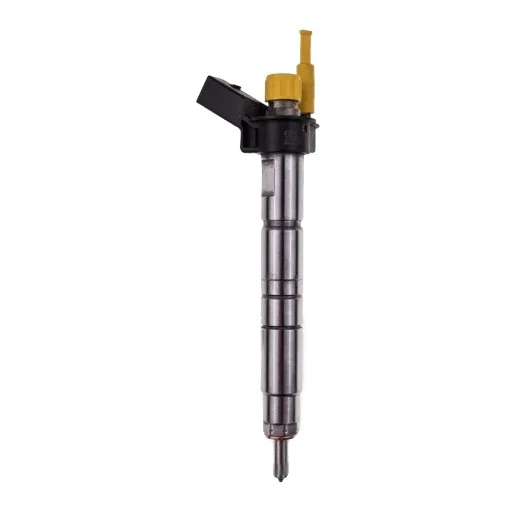
This category covers high-pressure injectors specifically designed for the Mercedes-Benz OM651 216 CDI engine with 163 horsepower, a powertrain widely used in commercial vehicles, SUVs, and utility vans across Europe. Whether you are a professional mechanic facing a sudden failure or an enthusiast maintaining your own vehicle, these injectors represent a cost-effective solution that restores engine efficiency without compromising reliability. The range includes remanufactured units from leading brands, ensuring compatibility with the 216 CDI’s advanced common-rail system and its stringent performance demands.
The injector range for the OM651 216 CDI is curated to address the specific needs of both independent workshops and private owners, with a focus on exchange-standard components that reduce lead times and inventory costs. Each injector is selected for its ability to meet or exceed OEM performance benchmarks, leveraging the expertise of wholesale suppliers who specialize in diesel injection systems. This approach ensures that garages can maintain a lean stock while offering customers a dependable alternative to expensive original equipment replacements.
Professional uses by trade
Different users approach injector replacement with distinct priorities: garages prioritize bulk availability and fast turnaround, while private owners value ease of installation and long-term reliability. The following breakdown highlights how each group can leverage this category to resolve injector-related issues efficiently.
- Independent garage: Replace faulty injectors in batches to minimize vehicle downtime during fleet maintenance or customer repairs, ensuring consistent service quality.
- Independent garage: Stock exchange-standard injectors to reduce capital tied up in slow-moving inventory while maintaining high service availability.
- Private owner: Source a remanufactured injector as a direct replacement for a failing unit, avoiding the expense of a brand-new OEM component.
- Private owner: Perform DIY injector replacement to restore engine performance without relying on a workshop, saving on labor costs.
- German buyer (DACH): Purchase injectors with German-language documentation and support to ensure seamless integration into local repair workflows.
- Passionate DIY mechanic: Select injectors compatible with the OM651’s common-rail system to maintain peak performance in modified or high-mileage engines.
- Workshop manager: Order injectors in bulk to capitalize on wholesale pricing while ensuring stock rotation aligns with repair frequency.
Range comparison
The following table presents the available injectors for the Mercedes-Benz OM651 216 CDI 163 hp, each listed with its exact reference and intended use case to simplify selection and ordering.
| Range | Use | Format |
|---|---|---|
| Injector DELPHI 28271551 | Direct replacement for OM651 216 CDI engines | |
| Injector DELPHI 28342997 | High-flow injector for tuned or performance applications | |
| Injector DELPHI R00002D | OEM-grade injector for stock or lightly modified engines | |
| Injector Bosch 0445117035 | Reliable alternative for OM651 common-rail systems | |
| Injector DELPHI 6510703087 | Injector designed for extended durability in commercial fleets | |
| Injector DELPHI 28307309 | Injector optimized for cold-start performance in winter conditions |
How to choose
Selecting the right injector involves evaluating several factors beyond mere compatibility, including packaging, storage conditions, and supplier reliability to ensure long-term performance.
- Prioritize injectors packaged in sealed, anti-static containers to prevent contamination during storage or transit to the workshop.
- Choose injectors with documented remanufacturing processes to ensure consistent quality across batches and reduce the risk of premature failure.
- Opt for suppliers who provide clear storage guidelines, such as temperature-controlled environments, to maintain injector integrity before installation.
- Select injectors from brands with a proven track record in diesel injection systems, as this reduces the likelihood of compatibility issues or hidden defects.
- Evaluate the supplier’s return policy for used injectors, as proper core deposit handling ensures a smooth exchange process and avoids unexpected costs.
- Consider the injector’s physical condition upon arrival, including the absence of corrosion or damage to connectors, to prevent installation complications.
- Favor suppliers who offer technical documentation in multiple languages, including German, to streamline integration into local repair workflows.
Storage & logistics
Proper storage of exchange-standard injectors is essential to preserve their functionality until installation, particularly in environments with fluctuating temperatures or humidity levels. Store injectors in their original, sealed packaging to protect them from dust, moisture, and electrostatic discharge, which can degrade sensitive components. Avoid exposing injectors to direct sunlight or extreme cold, as temperature fluctuations may compromise the integrity of seals or internal mechanisms. For workshops with limited space, designate a dedicated, climate-controlled cabinet for injector storage, ensuring that older stock is rotated to prevent degradation over time. Always handle injectors with clean, dry hands or gloves to avoid transferring oils or residues that could interfere with performance. Label storage containers with the injector’s reference and installation date to maintain traceability and facilitate inventory management. Regularly inspect stored injectors for signs of corrosion or damage, and discard any units that show visible defects to prevent installation issues.
With over a decade of experience in diesel injection systems, our team has seen firsthand how a well-chosen exchange-standard injector can restore an OM651 216 CDI to near-original performance, often at a fraction of the cost of a new unit.— autoKUR team
Related categories
Browse our other ranges:
Useful references
For regulatory and sector references, see Reglement (UE) 461/2010 — pieces de rechange et garantie constructeur.