
Available products
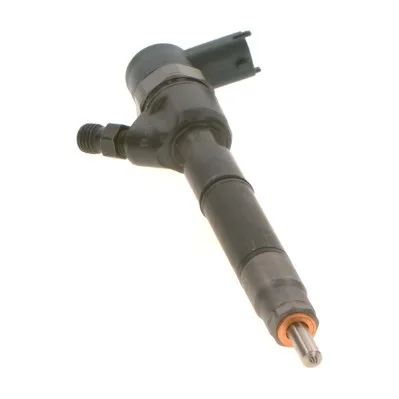
In stock
The i10 holds 1 exchange-standard references. Engines covered: all listed engines. The code stamped on your part remains the most reliable entry key.
The 1 references for the HYUNDAI i10 are supplied as exchange units, with a 24-month warranty.
A check is due between two neighbouring engines: search by reference settles it in one move. All parts carry a 24-month warranty, with all HYUNDAI references in the background.
Related categories
Frequently asked questions
About this category
The fuel injector category serves two critical audiences: professionals repairing vehicles and DIY enthusiasts restoring performance. This section focuses exclusively on injectors designed for the Renault Scenic 3 1.5 dCi 110, covering their role in the common-rail diesel system where they atomize fuel under extreme pressure. Whether you're diagnosing a misfire or replacing a failing unit, understanding injector specifications ensures correct fitment and restored engine balance.
Our injector range is built around OEM specifications and remanufactured to original tolerances, sourced from bulk suppliers who specialize in diesel fuel system components. The wholesale model eliminates middlemen, passing cost savings to garages while maintaining traceability through OEM reference numbers. This approach delivers consistent quality without relying on unproven aftermarket alternatives.
Professional uses by trade
Different users approach injector replacement with distinct priorities: garages prioritize turnaround time and bulk availability, while DIYers seek clarity on compatibility and installation ease. Professionals in Germany and the DACH region often require documentation for warranty compliance, whereas private owners focus on symptom resolution.
- Garagist: Replace failing injectors in batches to minimize vehicle downtime during MOT or warranty repairs, ensuring each unit meets OEM flow rate specifications.
- Independent mechanic: Source calibrated injectors for mixed fleets, balancing cost with the need for reliable cold-start performance in urban delivery vehicles.
- DIY enthusiast: Diagnose misfires by swapping suspect injectors with known-good units, verifying improvements through OBD-II live data monitoring.
- German workshop: Maintain documentation trails for TÜV compliance when installing remanufactured injectors in commercial diesel fleets.
- Passionate owner: Address rough idling by identifying the faulty cylinder through systematic injector testing before committing to replacement.
- Fleet manager: Standardize injector stock across multiple Renault models to simplify procurement and reduce emergency order lead times.
- Trucking company: Prioritize injectors with extended service intervals to align with scheduled maintenance plans for long-haul vehicles.
Range comparison
Below, compare injectors by OEM reference, focusing on compatibility with the Renault Scenic 3 1.5 dCi 110 and their role in the common-rail system. Each entry highlights practical applications for different user profiles.
| Range | Use | Format |
|---|---|---|
| Injector Bosch 0445110255 | Warranty-compliant repairs for commercial vehicles |
How to choose
Selecting the right injector involves evaluating several technical and logistical factors beyond mere price. Compatibility with the engine’s ECU mapping and fuel rail pressure is non-negotiable, while packaging and return policies impact operational efficiency.
- Verify OEM reference against the vehicle’s engine code to avoid mismatched flow rates or spray patterns that could damage the fuel system.
- Assess packaging durability for bulk storage, ensuring injectors remain contamination-free during extended shelf life in workshop environments.
- Confirm return policies for core deposits, as most suppliers require the old injector to be returned within a specified window to process refunds.
- Prioritize injectors with documented remanufacturing processes, including pressure testing and electrical resistance checks for consistent performance.
- Evaluate supplier rotation policies to prevent stagnant stock that may exceed recommended shelf-life limits for diesel injectors.
- Check for batch traceability, allowing workshops to track injector origins and remanufacturing dates for quality audits.
- Consider warranty terms that cover post-installation failures, as some suppliers offer limited delivers on remanufactured units.
Storage & logistics
Proper storage preserves injector functionality until installation, especially in bulk environments where humidity and temperature fluctuations are common. Store units in their original packaging or anti-static bags, away from direct sunlight and sources of vibration that could dislodge internal components. Maintain a first-in-first-out rotation system to prevent stock obsolescence, particularly for diesel injectors sensitive to fuel degradation over time. Label shelves with batch numbers and remanufacturing dates to streamline traceability during audits or recalls. For garages handling multiple vehicle types, designate a dedicated storage area with controlled access to minimize contamination risks from workshop debris or chemical exposure.
Since 2026, we’ve seen how a single faulty injector can cascade into costly engine damage if left unaddressed, which is why our remanufacturing focuses on restoring original performance without cutting corners on calibration or testing.— autoKUR team
Related categories
Browse our other ranges:
Useful references
For regulatory and sector references, see Reglement (UE) 461/2010 — pieces de rechange et garantie constructeur.