

Available products
2 references

Frequently asked questions
About this category
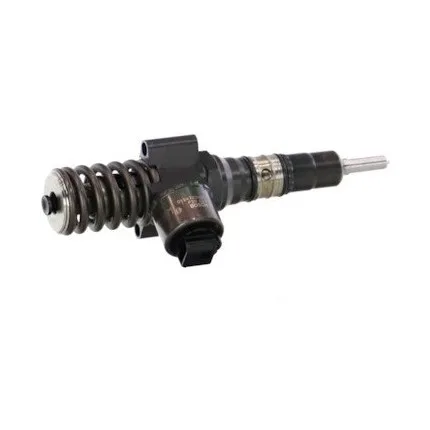
This category is dedicated to the 2.0 TDI 136 HP diesel engine, a powertrain widely used in passenger vehicles and light commercial models across European markets. Whether you are a professional mechanic diagnosing a misfire, a car owner facing unexpected fuel consumption, or a passionate DIYer restoring a classic TDI, this section provides the essential components to restore optimal engine performance. The injectors listed here are designed to replace worn or faulty units, offering a cost-effective alternative to brand-new OEM parts while maintaining the same operational integrity.
The range is built around a carefully curated selection of remanufactured injectors, each selected for its compatibility with the 2.0 TDI 136 HP engine family. These components undergo rigorous testing and refurbishment processes to ensure they meet the performance and durability standards expected in professional repair environments. The supply chain leverages established wholesale networks to deliver availability, allowing workshops and private buyers to source high-quality parts without delays or excessive costs.
Professional uses by trade
Different users approach this category with distinct needs, whether it is diagnosing a fault, sourcing a replacement, or ensuring long-term reliability. The following breakdown highlights how each group can leverage this range to address their specific challenges effectively.
- Independent garage : Use remanufactured injectors to resolve misfire codes P2563 or P2564 without replacing the entire fuel system, saving time and reducing labor costs.
- Stranded driver : Replace a failing injector on the roadside to restore engine function and avoid costly towing fees or prolonged downtime.
- DIY enthusiast : Source a compatible injector for a home workshop repair, ensuring the engine runs smoothly without professional intervention.
- German buyer (DACH) : Purchase a remanufactured injector that meets local emissions standards, avoiding potential issues during technical inspection (TÜV/DEKRA).
- Fleet manager : Maintain a stock of exchange-standard injectors to minimize vehicle downtime during scheduled maintenance or unexpected failures.
- Classic car restorer : Find a high-quality injector that matches the original specifications for a vintage TDI engine, preserving authenticity while ensuring reliability.
- Performance tuner : Upgrade to a remanufactured injector that supports higher fuel flow rates, enhancing engine responsiveness for modified applications.
Range comparison
The table below compares the available remanufactured injectors for the 2.0 TDI 136 HP engine, focusing on their compatibility, condition, and intended use cases. Each option is presented with its key attributes to help you make an informed decision.
| Range | Use | Format |
|---|---|---|
| Injector Bosch 0414720404 | direct replacement for 2.0 TDI 136 HP | |
| Injector Bosch 0445116030 | high-flow alternative for tuned engines |
How to choose
Selecting the right injector for your 2.0 TDI 136 HP engine requires attention to several critical factors. The following criteria will guide you in choosing a component that aligns with your repair goals, whether for a professional workshop or a personal project.
- Compatibility : Verify the injector matches your vehicle’s engine code and model year to avoid installation issues or performance mismatches.
- Condition : Prefer remanufactured injectors with a documented history of refurbishment, ensuring they meet OEM performance benchmarks.
- Packaging : Choose injectors supplied in protective, anti-static packaging to prevent damage during transit or storage.
- Consistency : Select components from a single batch to ensure uniform performance across multiple replacements in the same engine.
- Rotation : Opt for injectors with a low operational hour count to maximize remaining service life and reduce the risk of premature failure.
- Warranty : Prioritize suppliers offering a transparent warranty policy, even if it is not a deliver, to cover potential defects or installation errors.
- Availability : Ensure the injector is in stock or available for quick dispatch to minimize vehicle downtime during repairs.
Storage & logistics
For professional workshops, proper storage of remanufactured injectors is essential to maintain their integrity until installation. These components should be kept in a climate-controlled environment, away from moisture, dust, and direct sunlight, to prevent corrosion or seal degradation. Organize injectors by engine code and model to streamline retrieval during busy repair schedules. Regularly inspect stored units for signs of damage or contamination, and rotate stock to prioritize older batches. When handling injectors, use anti-static gloves to avoid damaging sensitive electronic components. Label each storage unit with the injector’s reference, batch number, and installation date to ensure traceability and compliance with quality control protocols.
With over a decade of experience in diesel injection systems, our team has seen firsthand how a well-chosen remanufactured injector can restore an engine’s performance without the premium cost of a new OEM part. We focus on sourcing components that meet the same standards as the original equipment, ensuring reliability and longevity for every repair.— autoKUR team
Related categories
Browse our other ranges:
Useful references
For regulatory and sector references, see Reglement (UE) 461/2010 — pieces de rechange et garantie constructeur.