

Available products
8 references



Frequently asked questions
About this category
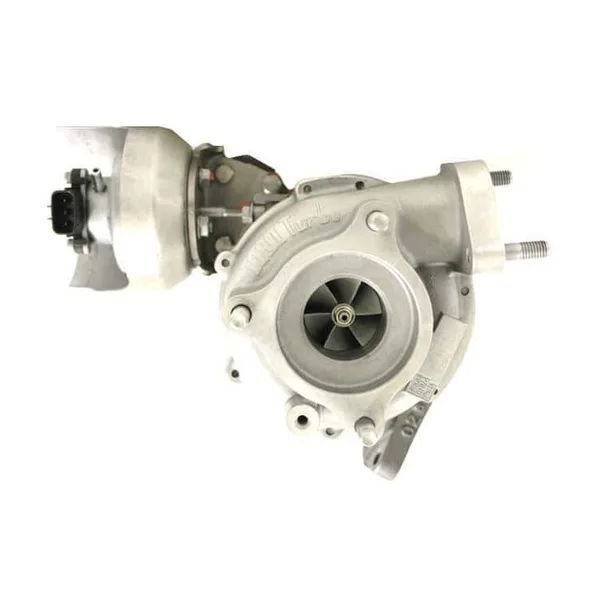
This category serves automotive professionals and DIY enthusiasts seeking exchange-standard turbochargers for Renault Scenic 3 models equipped with the 1.5 dCi 110 engine. Here, you will find remanufactured units designed for direct replacement, eliminating the need for costly repairs while restoring original performance levels. Each product is selected for its fitment precision and durability, addressing common failure symptoms like power loss, excessive exhaust smoke, or unusual whining noises from the engine bay.
The range is curated by a wholesale specialist with over a decade of experience in turbo exchange systems, sourcing components from leading manufacturers to ensure broad compatibility. Our supply chain prioritizes remanufactured units that undergo rigorous testing for pressure, balance, and seal integrity, providing a cost-effective alternative to new OEM parts without compromising reliability.
Professional uses by trade
Different users approach turbo replacement with distinct priorities: garages focus on turnaround speed and bulk availability, while DIYers seek clear compatibility guidance and straightforward returns for core deposits. Below, we outline how each profile leverages this category to resolve turbo failures efficiently.
- Le garagiste independant: Orders turbos in bulk to stock shelves for Renault Scenic 3 1.5 dCi 110 jobs, reducing lead times for customers needing immediate replacements.
- L'automobiliste depanne: Uses core deposit systems to lower upfront costs when replacing a failing turbo, ensuring a smooth transaction without hidden fees.
- Le passionne qui fait lui-meme: Relies on detailed motorization codes to confirm fitment before purchasing, avoiding costly mistakes in self-installation.
- Der deutsche Kaeufer (DACH): Prefers turbos labeled with German-compatible specifications, ensuring seamless integration with local workshop practices and warranty expectations.
- Le garagiste independant: Selects turbos with pre-verified OEM equivalences to streamline diagnostic processes and reduce post-installation callbacks.
- L'automobiliste depanne: Benefits from clear symptom guides that help identify turbo failure before ordering, preventing unnecessary part purchases.
- Der deutsche Kaeufer (DACH): Chooses units with documented remanufacturing processes to align with regional quality standards and professional repair norms.
Range comparison
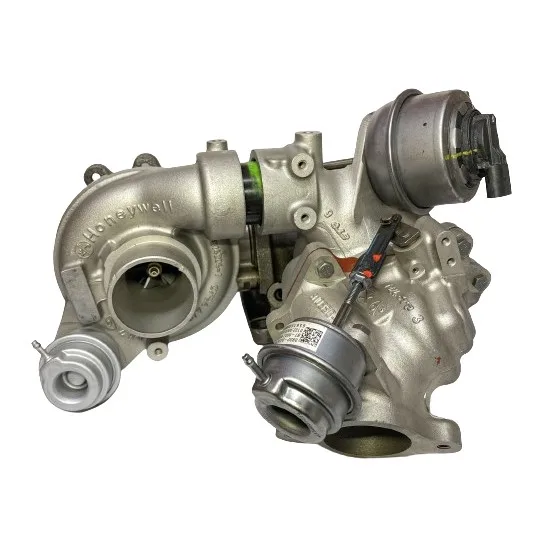
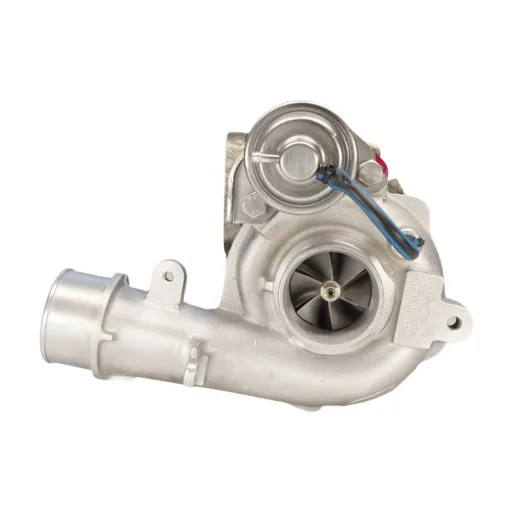
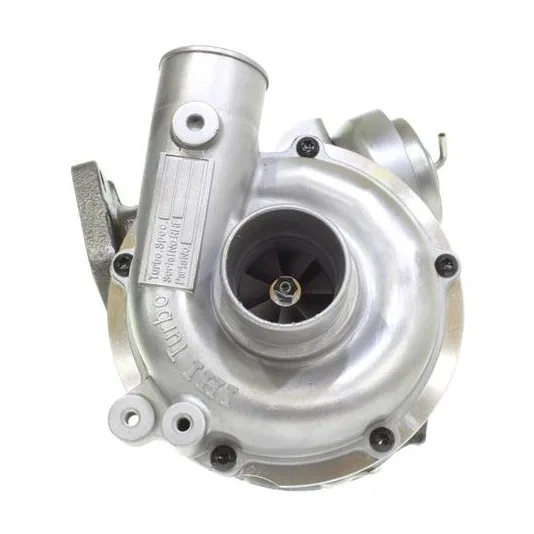
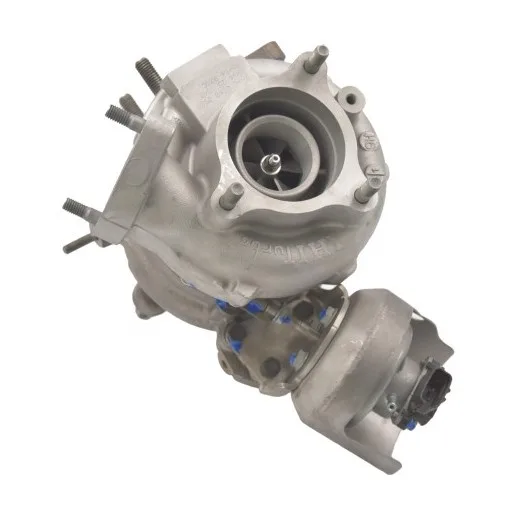
Below, you will find a selection of exchange-standard turbos compatible with the Renault Scenic 3 1.5 dCi 110, each listed with its reference, primary use case, and bulk packaging format.
| Range | Use | Format |
|---|---|---|
| Turbo IHI VJ43 | Direct fit for high-mileage Scenic 3 turbos | |
| Turbo Hitachi K0422-882 | OEM-equivalent for consistent performance | |
| Turbo IHI VJ41 | Budget-friendly option for common failures | |
| SL Turbo VJ36 | Premium remanufactured for extended durability | |
| Turbo IHI VJ40 | High-flow design for tuned applications | |
| Turbo IHI VJ32 | Standard replacement for stock turbos | |
| Turbo Garrett 810358-5005S | Heavy-duty option for frequent stop-and-go driving | |
| Turbo IHI VJ30 | Light-duty turbo for early model years |
How to choose
Selecting the right turbo for your Renault Scenic 3 1.5 dCi 110 requires attention to motorization codes, failure symptoms, and intended use. Below are key criteria to guide your decision, ensuring compatibility and longevity.
- Verify the motorization code stamped on your existing turbo to confirm exact fitment, as minor variations can affect performance and longevity.
- Match the turbo’s power output to your engine’s demands, avoiding over-specification that may reduce responsiveness in daily driving conditions.
- Prioritize turbos with documented remanufacturing processes, as these units undergo pressure, balance, and seal testing before resale.
- Check for core deposit policies to reduce upfront costs, especially when replacing turbos in high-volume repair scenarios.
- Assess the packaging format—bulk cartons for garages, master crates for large orders—to align with your storage and workflow needs.
- Confirm compatibility with your vehicle’s year and trim level, as minor design changes can impact fitment across model years.
- Review symptom guides to correlate your engine’s behavior with turbo failure, ensuring you order the correct replacement unit.
Storage & logistics
Bulk-packaged turbos require controlled storage to maintain performance integrity, with temperature and humidity kept within manufacturer-recommended ranges. Garages should allocate dedicated shelving for exchange turbos, separating units by motorization code to prevent mix-ups during busy repair schedules. For large orders, industrial pallets should be stored on flat, stable surfaces to avoid deformation of the packaging, which could compromise the turbo’s internal components. Regular inventory audits help track stock rotation, ensuring older units are prioritized for sale before potential degradation occurs.
With over a decade in turbo exchange systems, our team has seen how a well-matched turbo restores a Scenic 3’s performance without the cost of a new OEM unit—our customers trust us to deliver consistency, not just parts.— autoKUR team
Related categories
Browse our other ranges:
Useful references
For regulatory and sector references, see Reglement (UE) 461/2010 — pieces de rechange et garantie constructeur.