

Available products
4 references



Frequently asked questions
About this category
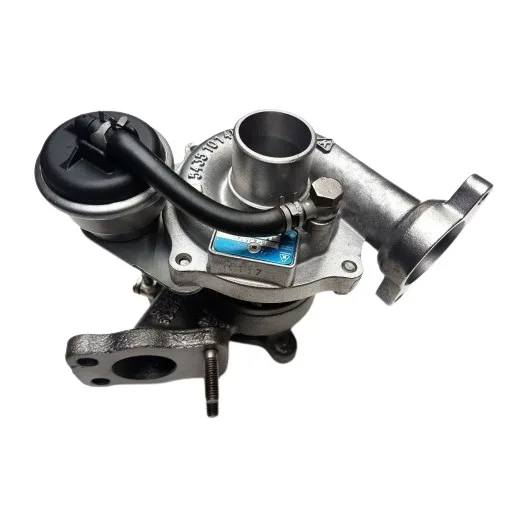
This category serves automotive professionals and DIY enthusiasts seeking high-quality turbocharger exchange parts for Renault vehicles, particularly the Scenic 3 1.5 dCi 110. Here, you will find remanufactured turbos designed for direct fitment, eliminating the need for costly OEM replacements while maintaining performance standards. The turbos listed are compatible with the 1.5 dCi engine family, covering model years where this motorization was prevalent.
The range is curated by a specialist wholesaler with over a decade of experience in turbocharger remanufacturing, sourcing components from European suppliers to ensure consistency. Each turbo is selected for its compatibility with Renault’s 1.5 dCi platform, with a focus on durability and adherence to OEM tolerances. The grossist model ensures competitive pricing without compromising on quality.
Professional uses by trade
Different users approach turbocharger exchange for distinct reasons, whether to restore a vehicle’s performance, comply with workshop standards, or avoid the expense of new parts. The following scenarios illustrate how each target audience leverages these turbos in practice.
- Le garagiste independant : Replace a failing turbo on a Scenic 3 1.5 dCi 110 with a remanufactured unit to minimize labor costs while restoring full power output.
- L'automobiliste depanne : Order a turbocharger exchange part to address sudden power loss or excessive exhaust smoke without visiting a dealership.
- Le passionne qui fait lui-meme : Source a compatible turbo for a DIY installation, using the OEM reference to ensure a precise fit.
- Der deutsche Kaeufer (DACH) : Purchase a remanufactured turbo for a Renault Scenic 3 1.5 dCi 110 from a German supplier to avoid import delays and costs.
- Le garagiste independant : Use exchange turbos as a temporary solution for customers awaiting OEM parts, maintaining vehicle availability.
- L'automobiliste depanne : Opt for a turbocharger exchange part when the original unit fails under warranty, reducing out-of-pocket expenses.
- Der deutsche Kaeufer (DACH) : Select a remanufactured turbo with a core deposit system to simplify the return of the old unit and lower upfront costs.
Range comparison
Below, you will find the available turbocharger exchange parts for the Renault Scenic 3 1.5 dCi 110, each listed with its OEM reference and key compatibility details. These turbos are designed for direct replacement, ensuring seamless integration with the vehicle’s engine management system.
| Range | Use | Format |
|---|---|---|
| SL Turbo 49173-07508 | Direct fit for Scenic 3 1.5 dCi 110 | |
| SL Turbo 5435 988 7000 | High-flow option for tuned applications | |
| SL Turbo 5435 988 0009 | Standard replacement for common failures | |
| Turbo Mitsubishi 49130-01930 | Cross-compatible with Renault 1.5 dCi |
How to choose
Selecting the right turbocharger exchange part requires attention to compatibility, condition, and intended use. The following criteria help professionals and enthusiasts make an informed decision without overcomplicating the process.
- Verify the OEM reference matches your vehicle’s engine code to avoid mismatched fitment or performance issues.
- Inspect the turbo’s condition for signs of wear, such as scoring on the shaft or excessive play in the bearings.
- Consider the core deposit policy if returning the old turbo is part of your workflow, as this can reduce upfront costs.
- Evaluate the turbo’s variable geometry mechanism for smooth operation, as sticking vanes are a common failure point.
- Check the packaging for tamper-evident seals to ensure the unit has not been previously installed or damaged.
- Assess the warranty terms, which typically cover defects but exclude installation or misuse-related failures.
- Prioritize turbos from suppliers with a track record in remanufacturing, as consistency in quality is critical for long-term reliability.
Storage & logistics
Turbocharger exchange parts must be stored in a dry, temperature-controlled environment to prevent moisture ingress or corrosion. For bulk orders, use sealed containers with desiccant packs to maintain the integrity of the variable geometry components. Avoid stacking turbos directly on top of each other, as this can deform the housings or damage the CHRA assembly. Regular inventory rotation ensures older stock is used first, reducing the risk of parts becoming obsolete or degraded over time.
With over 15 years in turbo remanufacturing, our team has seen how a single worn turbo can cripple a vehicle’s performance—our exchange parts restore that lost power without the premium of new turbos, backed by a core deposit system that keeps costs predictable for workshops and DIYers alike.— autoKUR team
Related categories
Browse our other ranges:
Useful references
For regulatory and sector references, see Reglement (UE) 461/2010 — pieces de rechange et garantie constructeur.