

Available products
5 references


Frequently asked questions
About this category
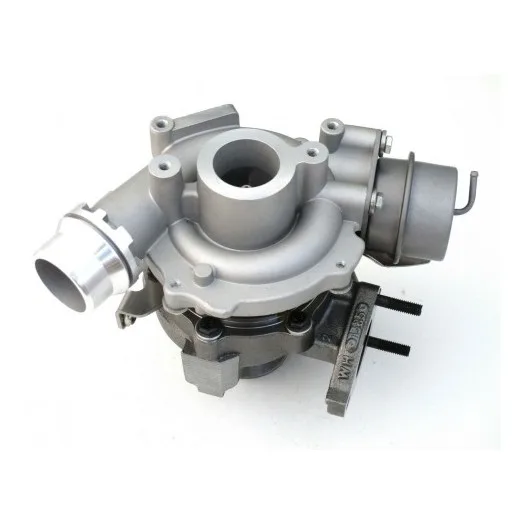
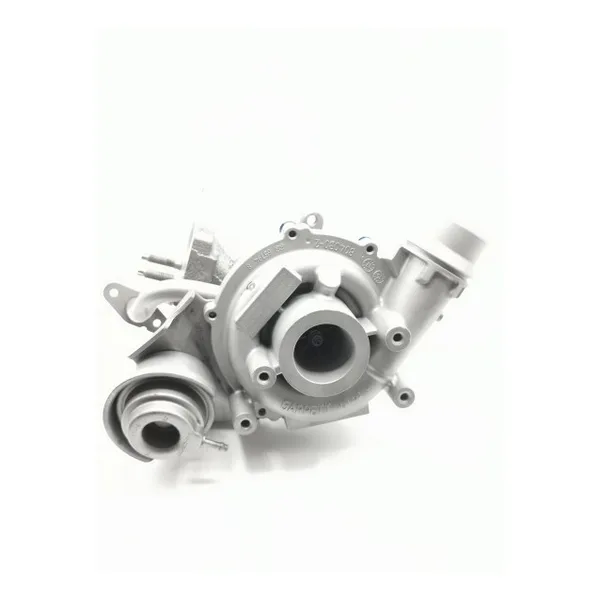
The Renault 1.5 DCi 75 hp turbo category addresses a critical gap in the aftermarket: reliable exchange standard turbos for a motorization known for premature wear. Whether you’re a mechanic diagnosing a loss of boost, a DIY owner replacing a failing unit, or a German buyer sourcing parts for a Kangoo or Clio, this range provides remanufactured turbos designed to restore original performance without the expense of a new OEM part. The turbos listed here are not generic replacements but calibrated solutions for the 1.5 DCi 75 hp’s specific geometry and power output.
This range is built around the Renault 1.5 DCi 75 hp’s most common failure points, with turbos sourced from European remanufacturers specializing in CHRA (Center Housing Rotating Assembly) and cartridge systems. The grossist role ensures that garages receive parts in bulk-ready formats, with OEM references cross-checked against Renault’s motor codes to eliminate mismatches. The focus is on consistency: each turbo is tested for pressure curves and variable geometry alignment before being listed.
Professional uses by trade
Different users approach the Renault 1.5 DCi 75 hp turbo replacement with distinct priorities. Garages prioritize speed and traceability, DIY owners seek cost-effective solutions, and German buyers demand parts that meet local standards. Below, we break down how each group leverages this category to resolve turbo failures efficiently.
- Le garagiste independant : Uses the turbo’s OEM reference to confirm fitment before ordering, reducing diagnostic time and avoiding callbacks for mismatched parts. The core deposit system allows quick turnaround for customers needing immediate repairs.
- L'automobiliste depanne : Relies on the turbo’s compatibility with their vehicle’s exact motor code to avoid purchasing the wrong part, often after noticing symptoms like sluggish acceleration or excessive exhaust smoke.
- Le passionne qui fait lui-meme : Chooses a remanufactured turbo with a clear OEM reference to ensure it matches their Renault’s 1.5 DCi 75 hp motorization, avoiding the risk of a non-functional unit.
- Der deutsche Kaeufer (DACH) : Prefers turbos listed with German-compatible OEM references, ensuring the part meets local market standards for performance and durability without needing additional modifications.
- Le garagiste independant : Orders turbos in bulk to stock for common Renault 1.5 DCi 75 hp failures, using the core deposit to offset costs and streamline inventory management for frequent repairs.
- L'automobiliste depanne : Selects a turbo based on the vehicle’s motor code and power output, ensuring the replacement restores the original boost levels and prevents further engine strain.
- Der deutsche Kaeufer (DACH) : Verifies the turbo’s variable geometry alignment and CHRA condition before purchase, as German buyers often prioritize long-term reliability over short-term savings.
Range comparison
The turbos in this category are selected for their direct compatibility with the Renault 1.5 DCi 75 hp motorization, with each reference cross-checked against Renault’s OEM codes and power output specifications. Below, we detail the available options, their formats, and their primary use cases for different buyers.
| Range | Use | Format |
|---|---|---|
| Turbo BorgWarner - KKK 1635 970 0025 | Direct fit for early 1.5 DCi 75 hp models | |
| SL Turbo 5438 988 0006 | High-rotation turbo for frequent replacements | |
| Turbo Garrett 801374-5004S | Variable geometry turbo for consistent boost | |
| Turbo BorgWarner - KKK 1635 970 0039 | Late-model 1.5 DCi 75 hp compatibility | |
| SL Turbo 5435 998 0028 | Budget-friendly turbo for DIY repairs |
How to choose
Selecting the right turbo for a Renault 1.5 DCi 75 hp requires attention to motor codes, power output, and the turbo’s internal components. Below, we outline the key criteria that distinguish a reliable remanufactured turbo from a mismatched or low-quality replacement.
- Verify the turbo’s OEM reference against your vehicle’s motor code to ensure a direct fit, avoiding parts that may not align with your Renault’s exact specifications.
- Check the turbo’s format—cartridge or CHRA—to confirm it matches your repair method, whether you’re replacing the entire unit or rebuilding the existing one.
- Prioritize turbos with tested variable geometry alignment, as misaligned vanes can cause inconsistent boost and premature wear.
- For garages, choose turbos with high rotation rates to reduce inventory holding costs and improve turnaround times for customers.
- Ensure the turbo’s power output aligns with your vehicle’s original specifications, preventing mismatches that could lead to further engine strain.
- Opt for turbos from remanufacturers with a track record in Renault 1.5 DCi applications, as their expertise reduces the risk of compatibility issues.
- Consider the core deposit policy, which can offset costs for garages managing frequent turbo replacements and encourage proper returns of used units.
Storage & logistics
For garages and bulk buyers, storing Renault 1.5 DCi 75 hp turbos requires controlled conditions to preserve their internal components. Keep turbos in their original packaging or sealed containers to prevent contamination from dust or moisture, which can affect the CHRA or variable geometry system. Store cartridges and CHRAs upright to avoid oil pooling in the housing, and maintain a rotation system to ensure older stock is used first. Avoid exposing turbos to extreme temperatures, as this can degrade seals and affect performance over time. For DIY owners, storing a spare turbo in a clean, dry environment reduces the risk of damage before installation.
Since 2026, we’ve handled thousands of Renault 1.5 DCi 75 hp turbos, refining our sourcing to match motor codes and power outputs precisely. Our team verifies each part’s condition before listing, ensuring garages and owners receive turbos that restore original performance without hidden flaws.— autoKUR team
Related categories
Browse our other ranges:
Useful references
For regulatory and sector references, see Reglement (UE) 461/2010 — pieces de rechange et garantie constructeur.