
How many miles do turbos last?
Discover how many miles turbos last, typical wear factors, early failure symptoms, and essential maintenance habits to extend your turbocharger service life.
Expected Service Life: How Many Miles Do Turbos Last Under Normal Conditions?
Modern forced-induction engines rely heavily on turbocharging to deliver high thermal efficiency, responsive torque curves, and reduced displacement without compromising output. When evaluating vehicle reliability, one of the most frequent mechanical inquiries concerns the operational longevity of the turbocharger itself: how many miles do turbos last before normal wear or mechanical degradation necessitates servicing or component replacement? In standard passenger vehicles and light commercial vans, a well-engineered unit operates in extreme environments, enduring exhaust gas temperatures ranging from 700°C to over 950°C while revolving at phenomenal rotational speeds.
Under balanced highway and urban driving cycles supported by strict adherence to scheduled lubrication intervals, the Typical turbo service life: 100,000 to 150,000 miles represents the realistic baseline across the automotive sector. When an engine receives high-grade synthetic engine oil, genuine filtration media, and sensible warm-up and cool-down routines, it is not uncommon for a factory-fitted turbo to reach 200,000 miles or even match the total service life of the base engine block. However, reaching this upper threshold requires understanding that the assembly operates at an extreme Rotational speed threshold: 100,000 to 250,000 RPM, meaning that even minor lubrication deficits or particulate ingestion can rapidly compromise its internal tolerances.
The lifespan of a forced-induction unit varies significantly depending on fuel type, combustion architecture, operating loads, and thermal cycling. The following comparative table outlines typical lifespan expectations across common automotive applications, highlighting operational environments and primary wear mechanisms:
| Engine Application & Fuel Type | Expected Lifespan (Miles) | Primary Operating Environment | Dominant Wear Mechanism |
|---|---|---|---|
| Standard Turbodiesel (1.5L to 2.0L CRTD) | 120,000 to 160,000 miles | Mixed highway and intercity commuting | Soot accumulation in variable geometry vanes and thrust bearing wear |
| Downsized Turbocharged Petrol (1.0L to 1.4L TSI/TCe) | 90,000 to 130,000 miles | Stop-and-start urban driving and short commutes | Thermal oil coking, wastegate port fatigue, and shaft seal degradation |
| Performance Petrol (2.0L+ Twin-Scroll / High Boost) | 80,000 to 120,000 miles | High-load driving cycles and aggressive acceleration | Extreme exhaust gas temperatures and journal bearing clearances |
| Light Commercial Utility / Fleet Turbodiesel | 140,000 to 180,000+ miles | Continuous long-distance highway hauling | High cumulative duty cycles and journal bearing hydrodynamic wear |
Critical Operating Factors That Determine Turbocharger Longevity
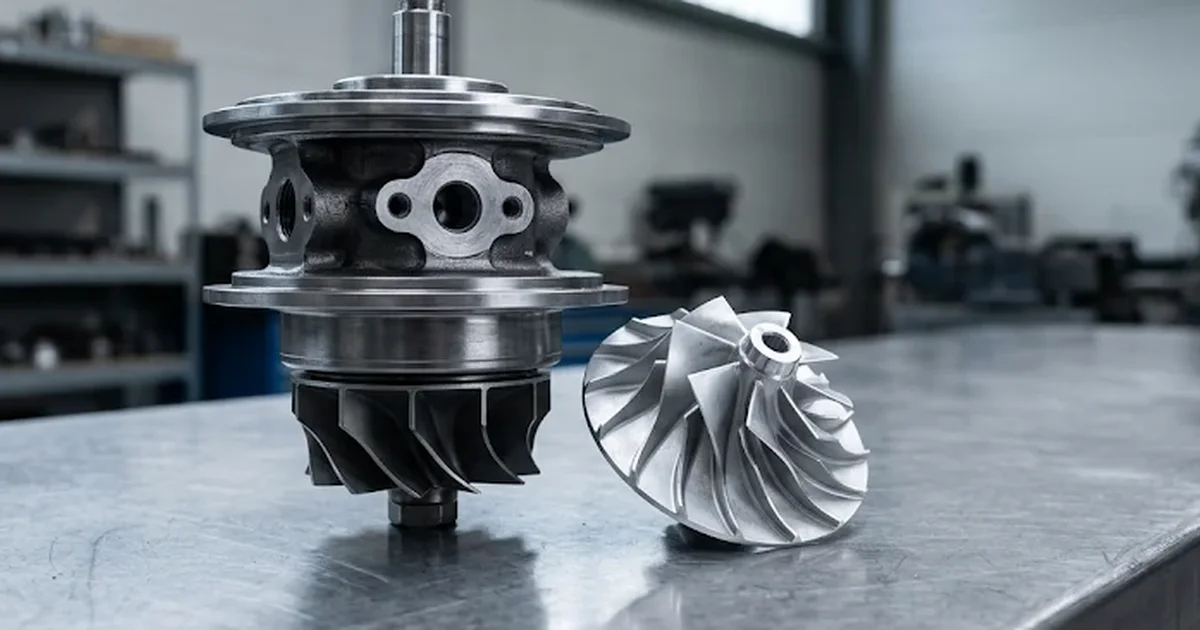
A turbocharger is an exceptionally robust aerodynamic component designed to withstand intense thermodynamic demands. Unlike mechanical components subjected to direct physical friction, the turbine shaft inside the center housing rotating assembly (CHRA) floats on a microscopic hydrodynamic pressurized oil film rather than contacting metal-on-metal journal bearings. Consequently, premature failures and accelerated wear patterns are almost universally initiated by external operational variables rather than inherent metallurgical defects in the assembly itself.
Several decisive operating factors dictate whether a unit will surpass the 150,000-mile mark or fail prematurely:
- Oil Quality, Viscosity, and Contamination: Because the rotating assembly relies entirely on engine oil for lubrication and heat transfer, degraded or contaminated oil directly scores journal bearings, erodes thrust collars, and introduces abrasive carbon particles into precision bearing gaps measuring mere microns.
- Thermal Shock and Inadequate Heat Dissipation: Immediate engine shutdown following high-speed motorway driving traps intense residual exhaust heat inside the turbine housing. This residual heat conducts back into the center bearing cartridge, baking stagnant oil into hardened abrasive carbon deposits known as oil coking.
- Air Filtration and Foreign Object Ingestion: Even microscopic dirt particles slipping past a degraded air filter or split intake hose will collide with compressor wheel blades spinning at supersonic tip velocities, eroding aerodynamic leading edges and throwing the rotating assembly out of dynamic balance.
- Exhaust Backpressure and Emissions System Health: A saturated diesel particulate filter (DPF) or restricted catalytic converter creates excessive exhaust backpressure. This elevated pressure forces scorching exhaust gases and soot past the turbine piston ring seal into the bearing housing, degrading oil chemistry and putting massive axial strain on the thrust bearing.
- Crankcase Ventilation and Drain Line Resistance: High positive crankcase pressure caused by a clogged positive crankcase ventilation (PCV) valve impedes gravitational oil return through the turbo drain line, forcing pressurized motor oil past turbine and compressor dynamic seals into the intake or exhaust tracts.
Early Warning Signs of Turbocharger Wear vs. Sudden Mechanical Failure
In most passenger vehicles and commercial vans, wear inside a forced-induction system develops gradually over thousands of miles before resulting in a total mechanical breakdown. Observing changes in engine acoustics, exhaust emissions, and throttle response enables drivers, fleet operators, and workshop technicians to intervene before detached compressor blades or catastrophic oil loss cause severe internal engine damage. To understand the full diagnostic spectrum of these early warning indicators, consulting our dedicated breakdown of symptoms of a failing turbocharger helps identify specific sound patterns and physical symptoms.
A failing unit typically exhibits distinct symptoms based on whether wear has affected the rotating assembly, the dynamic sealing rings, or the boost control mechanism. Audible signs often start with a high-pitched siren or whistling sound under boost, which indicates that bearing clearances have expanded, allowing the turbine or compressor wheel to run close to or rub against its internal housing contours. Blue exhaust smoke appearing during acceleration or immediately after deceleration signals that the dynamic piston ring seals inside the center cartridge have degraded, allowing pressurized engine oil to seep into the combustion chamber or burning exhaust stream. Concurrently, a sluggish throttle response, persistent power loss, or sudden ECU limp-home activation indicates that variable geometry vanes have bound up with soot or that boost pressure targets are no longer attainable.
Key Takeaway: A turbocharger rarely fails on its own without an underlying engine issue. Preserving clean motor oil and allowing sufficient thermal stabilization remain the most reliable ways to avoid premature bearing breakdown.
Physical inspection of the shaft clearances provides conclusive proof of wear. Removing the intake ducting reveals whether radial play (side-to-side movement) has exceeded factory specifications or whether axial play (in-and-out movement along the shaft axis) is physically detectable by hand. While a microscopic amount of radial play is normal to accommodate the pressurized oil cushion, any noticeable axial movement confirms that the internal brass or bronze thrust bearing has failed, signaling immediate replacement is necessary.
Preventive Maintenance and Driving Habits to Maximize Turbo Mileage
Achieving maximum operational service life from a forced-induction powertrain requires disciplined driving habits coupled with rigorous preventive maintenance. Because the turbocharger operates in symbiotic tandem with the engine lubrication, induction, and exhaust systems, simple operational routines drastically reduce physical wear and prevent thermal distress throughout the vehicle ownership lifecycle.
To ensure your forced-induction system consistently reaches or exceeds its intended mileage potential, adhere to the following structured maintenance guidelines:
- Respect Gentle Engine Warm-Up Periods: Never apply full throttle or demand heavy boost immediately following a cold start. Cold motor oil possesses higher viscosity and flows slowly through narrow oil feed lines, leaving high-speed journal bearings vulnerable to boundary friction until normal operating temperature is achieved.
- Implement Scheduled Thermal Cool-Down Cycles: After sustained high-speed driving, towing heavy trailers, or climbing steep mountain passes, adhere strictly to a Post-drive idle cool-down: 30 to 60 seconds before switching off the ignition. Allowing the engine to idle circulates fresh oil and coolant through the bearing housing, dissipating residual heat and eliminating the primary cause of carbonized oil buildup.
- Shorten Oil Change Intervals with Approved Synthetic Fluids: Modern direct-injection and downsized turbocharged engines subject motor oil to extreme shear stress and fuel dilution. Adhering to proactive oil change schedules using correct viscosity grades ensures that the hydrodynamic cushion protecting the central shaft never breaks down.
- Maintain Intake Filtration and Check Ducting Integrity: Inspect intake hoses, intercooler pipework, and air filter boxes at every service interval. Replacing saturated air filter elements prevents vacuum buildup on the compressor inlet, which can draw lubricating oil past dynamic seals under heavy engine braking.
- Clear Variable Geometry Soot Through Regular Highway Cycles: Diesel vehicles driven predominantly on short city trips suffer from heavy soot accumulation on variable nozzle turbine (VNT) mechanism vanes. Regular sustained highway journeys allow exhaust temperatures to burn off accumulated deposits, ensuring unrestricted boost modulation.
Diagnostic Protocol: Identifying Root Causes Before Fitting a Replacement Unit
When an existing turbocharger reaches the end of its operational service life or suffers unexpected internal breakdown, installing a replacement unit without diagnosing the root cause represents a critical error. Mechanical field analysis confirms that repeat turbo failures frequently occur because the underlying defect—such as oil starvation, abrasive contamination, restricted drainage, or excessive backpressure—was not rectified during the repair process.
Professional replacement by a qualified mechanic or independent workshop must always be conducted as a thorough mechanical overhaul rather than a simple unbolt-and-bolt swap. Before mounting a replacement unit, verify the following mechanical checkpoints:
- Mandatory Feed Line Renewal: Oil feed pipe inspection: Every turbo replacement requires careful scrutiny of the pressurized oil feed pipe. Because these rigid metal lines pass close to glowing exhaust manifolds, internal carbon coking often restricts the inner diameter; fitting a brand-new feed line is essential to safeguard the new assembly against instant oil starvation.
- Intercooler and Charge Pipe Decontamination: A failed unit frequently expels engine oil and metallic wear particles into the charge air cooler. If this intercooler is not thoroughly cleaned with a degreasing agent and dried, ingested debris will destroy the new compressor wheel within minutes of initial startup.
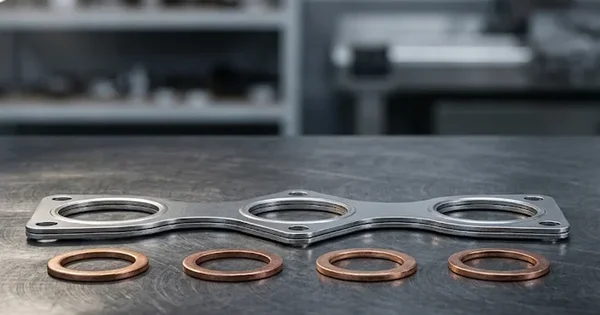
- Installation of Fresh Gaskets: Always install a dedicated gasket kit containing multi-layer steel exhaust gaskets and copper crush washers. Never apply liquid silicone or RTV sealant to oil inlet or drain flanges, as excess sealant beads break loose and clog internal oil galleys.
- Exhaust Backpressure Verification: Measure differential pressure across the diesel particulate filter. A saturated particulate filter creates severe exhaust restriction, trapping heat and forcing exhaust soot straight through the turbine shaft seals of the replacement unit.
- Pre-Lubrication of the Replacement Center Cartridge: Before connecting the oil feed line and starting the engine, manually inject fresh engine oil directly into the oil inlet port of the center housing and gently rotate the compressor wheel by hand to coat all internal bearing surfaces.
Replacement Options: Standard Exchange, Rebuilds, and Component Compatibility
When a vehicle owner or workshop technician determines that a turbocharger has reached the end of its useful mileage, selecting the right replacement path is vital for long-term reliability and cost management. While low-cost rebuild kits purchased online often lack dynamic high-speed balancing equipment, and unverified scrap yard units carry unknown mileage and hidden internal wear, a certified standard exchange unit provides an optimal balance of factory-grade performance and economical pricing. For an in-depth exploration of technical wear criteria, review our comprehensive turbo lifespan and wear analysis.
Understanding the key differences between available replacement routes helps ensure you make an informed decision for your vehicle:
- Certified Standard Exchange (Remanufactured): The unit undergoes complete industrial disassembly, ultrasonic cleaning of cast iron and aluminium housings, renewal of all wear components (including bronze bearings, steel thrust collars, and piston ring seals), and dynamic CHRA balancing on vibration sorting rigs operating at high rotational speeds. Actuators are calibrated to exact flow bench tolerances.
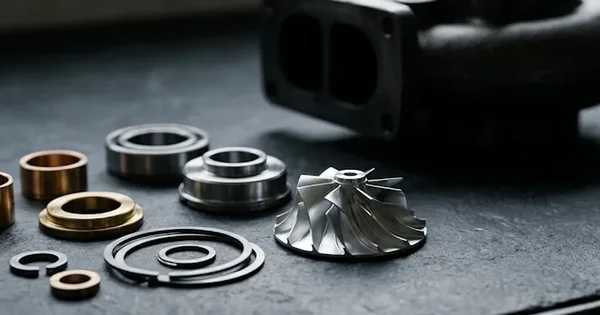
- DIY Rebuild Kits: Basic repair kits provide loose bearings and replacement seals, but they do not solve compressor wheel erosion, shaft scoring, or dynamic balance issues. Assembling a CHRA without precision high-speed balancing machinery almost inevitably results in premature bearing failure within a few thousand miles.
- Scrap Yard Salvaged Units: Sourcing a used turbocharger from an automotive dismantler carries extreme risk. Units that have sat unsealed are prone to internal surface corrosion, degraded rubber seals, unknown shaft wear, and sticky variable geometry mechanisms, offering no predictability regarding remaining service life.
This circular remanufacturing model relies on the core deposit system, where the customer returns their original rebuildable core unit, keeping precious industrial materials in service and drastically lowering environmental impact compared to manufacturing an entirely new casting from scratch.
Vehicle fitment accuracy is paramount when ordering replacement components. Because engine manufacturers frequently update turbocharger specifications within the same vehicle production year, cross-referencing specific engine codes and original manufacturer part numbers ensures flawless compatibility. For instance, when servicing selected diesel applications, sourcing a precisely matched remanufactured assembly such as the Turbo MAHLE 030TC11001000 guarantees that oil feed connections, exhaust flange geometries, and actuator programming align perfectly with original powertrain parameters.
Summary and Sourcing: Restoring Boost Performance with Quality Remanufacturing
Understanding how many miles turbos last empowers motorists and repair professionals to monitor engine health proactively and perform targeted maintenance before minor bearing play transforms into severe engine damage. While an average turbocharger comfortably delivers between 100,000 and 150,000 miles of reliable boost performance under diligent care, its total lifespan remains intrinsically tied to oil purity, sensible thermal management, and prompt resolution of upstream engine faults.
To summarize key operational takeaways for sustaining turbocharger durability and planning replacement interventions:
- Preserve hydrodynamic bearing health by changing synthetic oil and engine filters strictly within or ahead of recommended service schedules.
- Incorporate daily thermal management practices, notably a brief idle cool-down after demanding highway trips, to eliminate oil coking risks.
- Investigate unusual siren noises, whistling under acceleration, or unexplained oil consumption immediately to prevent compressor disintegration.
- Never install a replacement turbo without identifying the root cause of the previous failure and thoroughly flushing oil lines and intercoolers.
- Rely on precision-engineered standard exchange units matched by vehicle engine code to ensure long-term durability and factory-grade boost response.
When your vehicle reaches high mileage and shows unmistakable signs of shaft wear or boost loss, explore our extensive turbocharger catalog to locate precision-remanufactured standard exchange units engineered to restore factory performance, efficiency, and driving confidence.
Frequently asked questions
Everything you need to know about this topic.
A question?
Get in touch directly.

Discussion
Our advice related to Turbocharger
 Turbocharger
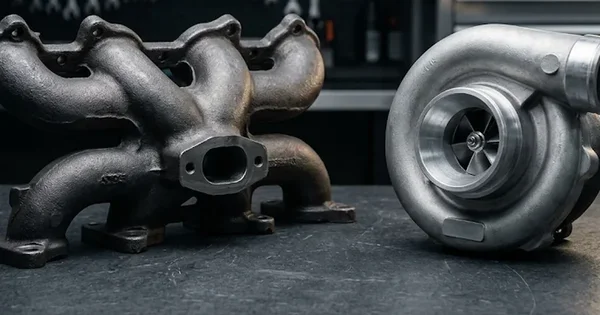
How Long Does It Take to Replace a Turbo? Full Guide
Wondering how long it takes to replace a turbo? Discover realistic workshop labour times, key engine factors, mandatory flushing steps, and fitting advice.
 Turbocharger
 Seals Replacement: Fitting and Refitting Guide
Learn what turbocharger seals replacement involves: fitting external gaskets, dynamic shaft seal limits, workshop steps, and avoiding costly misalignments.
 Turbocharger
Repair Kit Turbocharger: Fitting Guide & Rebuild Limits
Learn what fitting a repair kit turbocharger really involves, from bearing replacement to balancing limits, and compare rebuild kits with standard exchange.