


Frequently asked questions
About this category
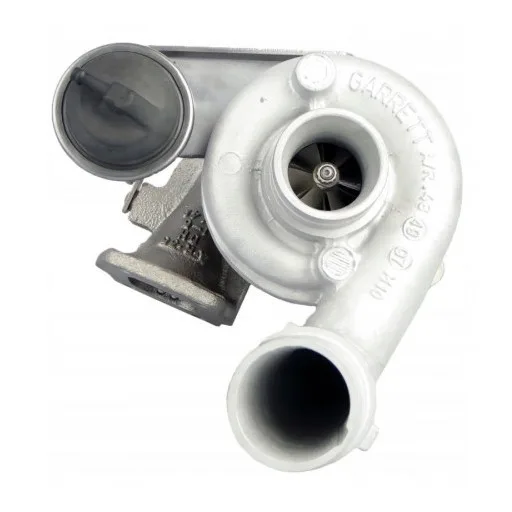
The turbocharger exchange-standard category addresses a universal need across automotive repair: reliable, cost-effective replacements for worn or failing turbos in diesel engines, particularly in models like the Renault Scenic 3 1.5 dCi 110. Whether you are a professional mechanic seeking a quick-fit solution or an enthusiast tackling repairs yourself, this category provides turbos that restore engine efficiency without the expense of brand-new units.
This range is built on a wholesale model, where turbos are sourced from specialized remanufacturers, tested for performance, and packaged for direct fitment. The role of the wholesaler here is to bridge the gap between high-volume production and the specific needs of independent garages and DIYers, ensuring consistent availability and competitive pricing.
Professional uses by trade
Different users approach turbo replacement with distinct priorities: garages prioritize speed and reliability, while DIYers focus on cost savings and simplicity. Below, we outline how each group leverages exchange-standard turbos to resolve common engine issues efficiently.
- Le garagiste independant : Uses exchange-standard turbos to reduce repair times for Renault Scenic 3 1.5 dCi 110 models, ensuring customers return for future services rather than seeking faster alternatives.
- L'automobiliste depanne : Relies on pre-checked turbos to avoid costly workshop visits, opting for self-installation to save money and regain vehicle performance quickly.
- Le passionne qui fait lui-meme : Selects exchange-standard units for their affordability and ease of installation, often pairing them with basic tools to complete the job over a weekend.
- Der deutsche Kaeufer (DACH) : Prefers turbos with clear compatibility data and German-language support, ensuring seamless integration into local repair workflows without language barriers.
- Le garagiste independant : Chooses turbos with documented OEM equivalences to maintain manufacturer-grade reliability, reducing the risk of post-installation complaints.
- L'automobiliste depanne : Prioritizes turbos with visible wear indicators, such as oil leaks or shaft play, to confirm the need for replacement before purchasing.
- Der deutsche Kaeufer (DACH) : Seeks turbos with standardized packaging for easy storage and identification in workshop inventory systems.
Range comparison
Below, we compare two exchange-standard turbos specifically designed for the Renault Scenic 3 1.5 dCi 110, highlighting their compatibility, condition, and intended use cases to guide your selection.
| Range | Use | Format |
|---|---|---|
| Turbo Garrett 454076-0001 | direct fit for Scenic 3 1.5 dCi 110 | |
| Turbo Garrett 466884-0002 | high-flow alternative for tuned engines |
How to choose
Selecting the right turbo for your Renault Scenic 3 1.5 dCi 110 depends on several factors, including engine tuning, expected load, and installation constraints. Below, we outline key criteria to evaluate before making a purchase.
- Verify the turbo’s OEM reference against your vehicle’s engine code to ensure a perfect match, avoiding costly mismatches in fit or performance.
- Assess the turbo’s condition—look for signs of remanufacturing, such as polished housings or balanced rotors, to confirm its reliability before installation.
- Consider the turbo’s intended use: standard driving demands durability, while performance applications may require higher-flow units for optimal power delivery.
- Check the packaging for clear labeling, including motorization compatibility and remanufacturing standards, to streamline workshop or DIY installation.
- Evaluate the return policy for core deposits, as many exchange-standard turbos require returning the old unit to avoid additional fees.
- Prioritize turbos with documented geometry variable adjustments, ensuring they meet the engine’s airflow demands without manual tuning.
- For garages, choose turbos with bulk packaging options to reduce per-unit costs and simplify inventory management across multiple repairs.
Storage & logistics
Exchange-standard turbos must be stored in a dry, temperature-controlled environment to prevent moisture damage or seal degradation. For workshops, use labeled shelving with clear visibility of part numbers and motorization compatibility. Avoid stacking units to prevent housing warping, and inspect packaging for tears or punctures before storage. Regular inventory audits help track rotation dates and ensure only remanufactured units in optimal condition remain available for sale.
With over a decade of sourcing turbos for European diesel engines, our team has refined the selection process to prioritize units that balance performance, durability, and cost—ensuring every Scenic 3 1.5 dCi 110 leaves our warehouse ready for the road.— autoKUR team
Related categories
Browse our other ranges:
Useful references
For regulatory and sector references, see Reglement (UE) 461/2010 — pieces de rechange et garantie constructeur.