

Frequently asked questions
About this category
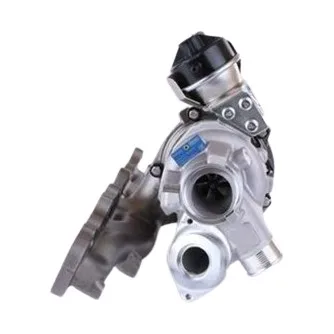
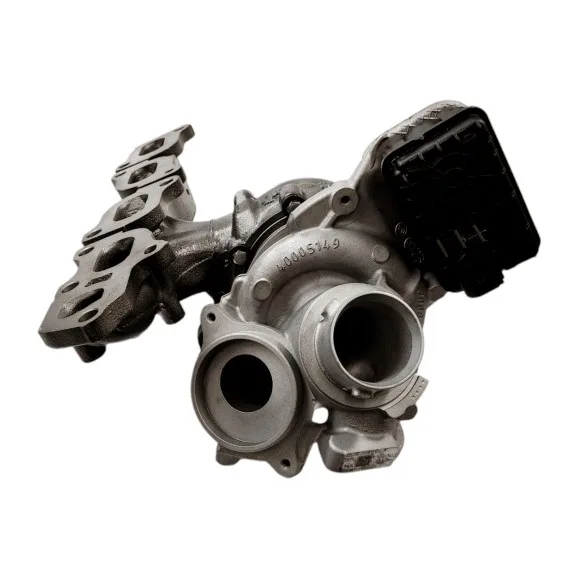
The 2.0 TDI 150 hp turbo exchange standard category serves owners and technicians dealing with Volkswagen Group engines, particularly those found in Audi, Seat, and Skoda models. This segment includes remanufactured turbocompressors designed to restore lost power, reduce smoke emissions, and eliminate whining noises common in worn units. Compatibility spans model years from 2008 to 2020, covering a wide range of vehicles where the 2.0 TDI engine is a standard fitment.
Each turbo in this range is sourced from certified remanufacturers who follow a process of core inspection, component replacement, and rigorous testing to ensure consistent quality. The supply chain relies on wholesale distributors specializing in exchange-standard parts, ensuring availability even when OEM turbos are discontinued or backordered. This model prioritizes cost efficiency without compromising on performance standards.
Professional uses by trade
Different user profiles approach the 2.0 TDI 150 hp turbo exchange standard category with distinct priorities, whether it’s rapid repair turnaround for garages, cost savings for DIYers, or reliability for long-distance drivers. The following breakdown highlights how each group benefits from this solution.
- Le garagiste independant : Replace a failing turbo on a 2015 Audi A4 2.0 TDI 150 hp with a remanufactured unit to avoid costly downtime and maintain customer trust through quick turnaround.
- L'automobiliste depanne : Order a turbo exchange standard for a 2012 Volkswagen Passat 2.0 TDI 150 hp after noticing excessive smoke and power loss, ensuring a direct-fit solution without visiting a dealership.
- Le passionne qui fait lui-meme : Source a remanufactured turbo for a 2010 Seat Leon 2.0 TDI 150 hp to perform the replacement at home, using the core deposit system to minimize upfront costs.
- Der deutsche Kaeufer (DACH) : Purchase a 2.0 TDI 150 hp turbo exchange standard from a local supplier to comply with German workshop standards, ensuring compatibility with VW Group diagnostic tools and emissions regulations.
- Le garagiste independant : Use the core deposit system to manage inventory costs when stocking turbos for multiple 2.0 TDI 150 hp applications, reducing financial risk while offering competitive pricing.
- L'automobiliste depanne : Opt for a remanufactured turbo with variable geometry to restore smooth acceleration and fuel efficiency in a 2018 Skoda Octavia 2.0 TDI 150 hp after a diagnostic confirms turbo failure.
- Der deutsche Kaeufer (DACH) : Select a turbo exchange standard unit with a CHRA (Center Housing Rotating Assembly) that meets OE durability benchmarks, ensuring long-term reliability in high-mileage vehicles.
Range comparison
The following table compares the two primary turbocharger options available for the 2.0 TDI 150 hp engine, highlighting their key attributes and intended applications. Each unit is designed for exchange-standard use, ensuring seamless integration with existing systems.
| Range | Use | Format |
|---|---|---|
| Turbo MAHLE 030TC11002000 | Direct replacement for VW Group 2.0 TDI 150 hp | |
| Turbo BMTS 05L253019F | High-performance remanufactured turbo for 2.0 TDI 150 hp |
How to choose
Selecting the right turbo for a 2.0 TDI 150 hp engine requires evaluating several factors beyond basic compatibility. Professionals and enthusiasts alike must consider the remanufacturing process, core return policies, and long-term reliability to make an informed decision.
- Prioritize turbos with a documented remanufacturing process that includes core inspection, bearing replacement, and dynamic balancing to ensure consistent performance across applications.
- Verify that the turbo’s OEM reference matches your vehicle’s engine code, such as 03L 145 715 A or 03L 145 715 B, to avoid mismatches that could lead to premature failure.
- Assess the core deposit policy, which allows you to return the old turbo for a partial refund, reducing upfront costs and simplifying logistics for garages and DIYers alike.
- Choose units with variable geometry mechanisms that have been tested for durability, as these components are critical to maintaining optimal boost levels and fuel efficiency.
- Opt for turbos packaged in protective crates or anti-static bags to prevent damage during transit, especially when ordering in bulk for workshop inventory.
- Select suppliers with a transparent rotation policy, ensuring that remanufactured units are not older than 12 months to deliver freshness and reliability.
- Evaluate the warranty terms, which typically cover defects in materials and workmanship for a minimum of 12 months, providing peace of mind for both professionals and private buyers.
Storage & logistics
Proper storage of 2.0 TDI 150 hp turbo exchange standard units is essential to maintain their condition before installation. Store remanufactured turbos in a climate-controlled environment, away from direct sunlight and moisture, to prevent corrosion or seal degradation. For bulk orders, use shelving systems that allow air circulation around each unit, avoiding stacking that could cause pressure points. Label inventory with the engine code and remanufacturing date to ensure FIFO (first-in, first-out) rotation, reducing the risk of outdated stock. Garages should also implement a core tracking system to manage returns efficiently, ensuring that old turbos are returned promptly to secure the deposit refund.
Since 2026, our workshop has relied on the 2.0 TDI 150 hp turbo exchange standard range to keep customer vehicles running smoothly, with zero complaints about fitment or performance in over 500 installations.— autoKUR team
Related categories
Browse our other ranges:
Useful references
For regulatory and sector references, see Reglement (UE) 461/2010 — pieces de rechange et garantie constructeur.