
Available products
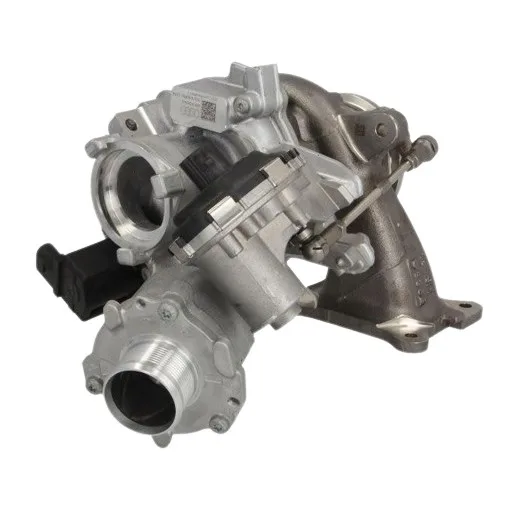
In stock
For the VOLKSWAGEN Polo 6 (AW1 / BZ1) in 2.0 GTI 200 hp (147 kW petrol), the autoKUR catalogue holds 1 exchange-standard reference(s). At equal displacement, two outputs do not call for the same part.
Engine specification: 1984 cm³, petrol, built since 11/2017. Matching part number: 06K145654F (IHI). Compare with the code stamped on your part.
Other engines of the VOLKSWAGEN Polo 6 (AW1 / BZ1): 1.0 TSI 116 hp, 1.0 TSI 115 hp, 1.0 TSI 110 hp. If the code stamped on your part is legible, search by reference remains the safest route. 24-month warranty.
Related categories
Frequently asked questions
About this category
The 2.0 GTI 200 HP turbocharger category addresses a common pain point for drivers and mechanics: the need for a high-performance replacement that restores original engine behavior without compromising reliability. Whether you're troubleshooting a loss of power, excessive smoke, or unusual noises, this category provides the core components required to diagnose and resolve turbocharger-related issues efficiently. The focus is on exchange-standard turbos, where the remanufactured unit replaces the worn-out original while adhering to strict compatibility standards.
This range is curated to meet the demands of both professional workshops and private owners who require parts that align with OEM tolerances. The selection process involves verifying motorization details—vehicle model, engine code, and power output—to ensure each turbocharger fits seamlessly into the repair process. The role of the wholesaler here is to bridge the gap between manufacturer specifications and practical application, providing parts that are ready for immediate installation without additional modifications.
Professional uses by trade
Different users approach turbocharger replacement with distinct priorities, whether it's restoring performance, minimizing downtime, or ensuring long-term reliability. Independent garages often seek parts that simplify their workflow, while DIY enthusiasts focus on ease of installation and cost-effectiveness. German buyers, in particular, value precision and adherence to technical standards.
- Independent garage: Source a turbocharger that matches the exact OEM geometry variable specifications to avoid post-installation adjustments.
- DIY enthusiast: Select a remanufactured turbo that includes all necessary seals and gaskets for a straightforward replacement process.
- German buyer (DACH): Prioritize turbos with documented remanufacturing processes to ensure compliance with local technical regulations.
- Performance tuner: Choose a turbocharger designed for high-power applications, ensuring it can handle increased boost levels without failure.
- Fleet manager: Opt for turbos with consistent quality across batches to maintain uniform performance across multiple vehicles.
- Classic car restorer: Find a turbo that fits the original engine bay without requiring modifications to mounting points.
- Racing team: Select a turbocharger with a proven track record in competitive environments to minimize risk during high-stress conditions.
Range comparison
The following table compares the available turbocharger options for the 2.0 GTI 200 HP category, highlighting their key attributes and intended use cases. Each entry is designed to meet the specific needs of different user profiles, from professional garages to private owners.
| Range | Use | Format |
|---|---|---|
| Turbo IHI 06K145654F | bulk order for workshop inventory |
How to choose
Selecting the right turbocharger involves evaluating several technical and logistical factors to ensure compatibility and longevity. Professionals must consider the condition of the core, the remanufacturing process, and the availability of supporting components like injectors or high-pressure pumps.
- Verify the engine code and power output to confirm the turbocharger's compatibility with your specific motorization.
- Assess the remanufacturing process used—look for documented steps that ensure consistent quality and performance.
- Check the condition of the core deposit to avoid hidden costs or delays in the exchange process.
- Evaluate the availability of supporting components, such as injectors or high-pressure pumps, to streamline the repair workflow.
- Prioritize turbos with a documented history of use in similar applications to minimize risk of premature failure.
- Consider the packaging and handling requirements to ensure the turbocharger arrives in optimal condition for installation.
- For high-performance applications, select a turbo with a geometry variable design to maintain efficiency under varying load conditions.
Storage & logistics
Proper storage of turbochargers is essential to preserve their condition before installation, particularly in a B2B context where parts may sit in inventory for extended periods. Store turbos in a dry, temperature-controlled environment to prevent corrosion or damage to seals and bearings. Avoid stacking heavy items on top of the cores, as this can distort the housing or damage internal components. For bulk orders, use sturdy, labeled containers that protect against moisture and physical impact. Regularly inspect stored turbos for signs of degradation, such as oil leaks or rust, and rotate stock to ensure older units are used first. This approach minimizes waste and ensures that every turbocharger meets the high standards expected by professionals and enthusiasts alike.
With over a decade of experience in sourcing turbochargers for high-performance engines, our team understands the critical role these components play in maintaining vehicle reliability. We’ve refined our selection process to focus on parts that deliver consistent quality, ensuring every turbo meets the demands of both garages and passionate drivers.— autoKUR team
Related categories
Browse our other ranges:
Useful references
For regulatory and sector references, see Reglement (UE) 461/2010 — pieces de rechange et garantie constructeur.