
Available products
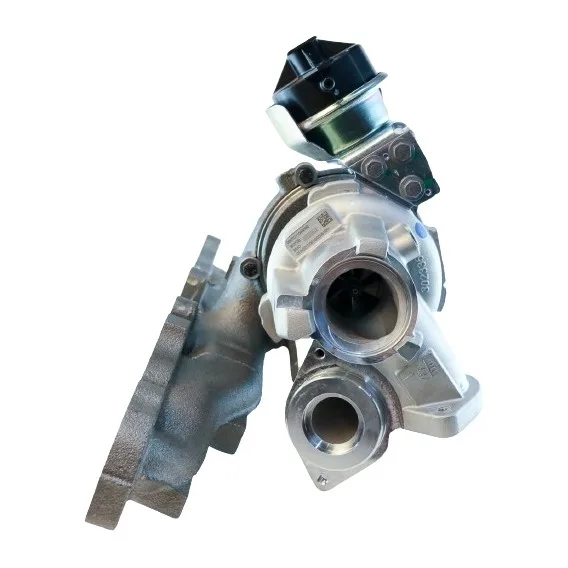
In stock
The VOLKSWAGEN Passat CC B7 (358) 2.0 TDI 150 hp (110 kW diesel) is covered by 1 exchange-standard reference(s). Check output before displacement: it determines the part.
Engine specification: 1968 cm³, diesel, built from 05/2015 to 12/2016. Matching part number: 030TC11004000 (MAHLE). Compare with the code stamped on your part.
Other engines of the VOLKSWAGEN Passat CC B7 (358): 1.4 TSI 160 hp, 1.4 TSI 150 hp. If the code stamped on your part is legible, search by reference remains the safest route. 24-month warranty.
Related categories
Frequently asked questions
About this category
The 2.0 TDI 150 hp turbocharger category serves a diverse audience, from independent mechanics and repair shops to passionate DIYers and German-speaking buyers in the DACH region. Here, you will find remanufactured turbos designed for the Volkswagen Group’s 2.0 TDI engines, covering models from the early 2000s to recent production years. These units are engineered to restore lost power, reduce exhaust smoke, and eliminate turbo lag, addressing common symptoms like sluggish acceleration or excessive fuel consumption.
This range is built on a foundation of wholesale partnerships with leading remanufacturers, ensuring that every turbo in this category undergoes a rigorous process of disassembly, cleaning, inspection, and replacement of worn components. The focus is on delivering products that meet or exceed OEM standards in terms of fit, function, and longevity, while providing garages and motorists with a cost-effective alternative to brand-new turbos. The supply chain is optimized for efficiency, allowing for quick turnaround on orders without sacrificing quality.
Professional uses by trade
Different user profiles approach the 2.0 TDI 150 hp turbocharger category with distinct priorities, whether it’s restoring a daily driver, servicing a fleet vehicle, or addressing a roadside breakdown. Each group relies on this category to find a solution tailored to their technical and logistical needs, ensuring compatibility and reliability.
- Independent garage: Source a remanufactured turbo for the 2.0 TDI 150 hp to minimize repair costs while maintaining high service standards for customers seeking affordable solutions.
- DIY enthusiast: Purchase a turbo in exchange standard to replace a failing unit in a project car, avoiding the expense of a new OEM part while ensuring the engine runs smoothly.
- Stranded motorist: Find a compatible turbo quickly to get a vehicle back on the road after a breakdown, prioritizing availability and ease of installation over long-term storage.
- German-speaking buyer (DACH): Order a remanufactured turbo with clear documentation in German, including OEM reference numbers and compatibility notes for seamless integration.
- Fleet manager: Replace turbos across multiple 2.0 TDI vehicles in a commercial fleet to reduce downtime and maintain operational efficiency without exceeding budget constraints.
- Performance tuner: Select a turbo that restores lost power in a modified 2.0 TDI engine, focusing on units that support higher boost levels while retaining reliability.
- Classic car restorer: Source a remanufactured turbo for a vintage 2.0 TDI model to preserve authenticity while ensuring the engine meets modern performance expectations.
Range comparison
Below, you will find a curated selection of remanufactured turbos specifically designed for the 2.0 TDI 150 hp engine. Each option is presented with its OEM reference, compatibility notes, and packaging details to simplify the selection process for professionals and enthusiasts alike.
| Range | Use | Format |
|---|---|---|
| Turbo MAHLE 030TC11004000 | DIY installation |
How to choose
Selecting the right turbo for the 2.0 TDI 150 hp requires attention to several key factors, including packaging, condition, and compatibility with the vehicle’s existing system. These criteria ensure that the chosen unit integrates seamlessly and performs reliably under real-world conditions.
- Packaging integrity: Verify that the turbo arrives in undamaged, moisture-resistant packaging to prevent contamination during transit or storage before installation.
- Core condition: Inspect the remanufactured unit for signs of wear or damage, such as scoring on the shaft or corrosion on the housing, which could indicate subpar remanufacturing.
- OEM reference match: Confirm that the turbo’s reference number aligns with the vehicle’s engine code to avoid mismatches that could lead to fitment issues or performance discrepancies.
- Seal and gasket quality: Ensure the unit includes high-quality seals and gaskets to prevent oil leaks or vacuum failures after installation, which are common failure points in older turbos.
- Rotation and balance: Check that the turbo’s impeller and turbine wheels are balanced and free of debris, as imbalances can cause vibrations or premature bearing wear over time.
- Documentation clarity: Request detailed compatibility notes and installation instructions in the buyer’s preferred language to streamline the fitting process and reduce errors.
- Supplier reputation: Prioritize turbos sourced from remanufacturers with a track record of consistency, as this minimizes the risk of receiving units that fail prematurely or require additional repairs.
Storage & logistics
For workshops and distributors, proper storage of remanufactured turbos is essential to preserve their condition until installation. Units should be kept in a climate-controlled environment, away from direct sunlight and moisture, to prevent corrosion or damage to internal components. Shelving or racks designed for heavy machinery are ideal, as they allow for organized stacking without risking deformation to the turbo’s housing or shaft. Regular inventory checks are recommended to identify any units that may have been exposed to adverse conditions, ensuring that only turbos in optimal condition are issued to customers. Additionally, clear labeling with reference numbers and batch details helps streamline retrieval and reduces the likelihood of mix-ups during busy periods.
With over a decade of experience in sourcing and remanufacturing turbos for the 2.0 TDI platform, our team understands the critical role these components play in keeping engines running efficiently. We’ve refined our processes to ensure every unit meets the high standards expected by professionals and enthusiasts alike, delivering reliability without compromise.— autoKUR team
Related categories
Browse our other ranges:
Useful references
For regulatory and sector references, see Reglement (UE) 461/2010 — pieces de rechange et garantie constructeur.