


Frequently asked questions
About this category
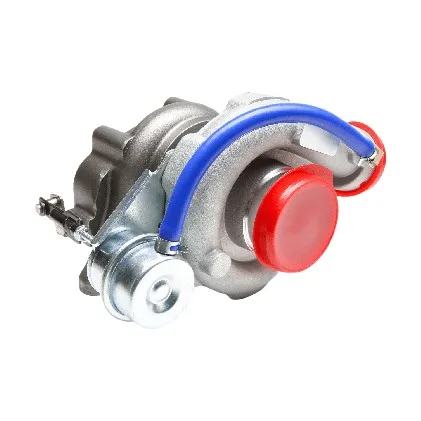
The 2.0 TDI 102 hp turbo exchange standard category serves owners and technicians dealing with power loss, excessive smoke, or unusual noises from their diesel engines. This range includes remanufactured turbos designed for direct fitment, covering popular models from Volkswagen Group vehicles produced between 2005 and 2012. Whether you’re a mechanic sourcing parts for a workshop or a car owner tackling repairs yourself, these turbos provide a cost-effective alternative to OEM replacements.
Each turbo in this category is sourced from specialized remanufacturers who disassemble, inspect, and rebuild units to original specifications using high-quality components. The supply chain relies on trusted wholesale partners to ensure availability and competitive pricing, making these turbos a practical choice for both small garages and large repair chains. No proprietary branding is applied—only the core functionality matters.
Professional uses by trade
Different users approach the 2.0 TDI 102 hp turbo exchange standard for distinct reasons, whether to address a sudden failure or plan preventive maintenance. Garages prioritize bulk availability and fast turnaround, while DIY enthusiasts value clear compatibility and straightforward installation. German buyers, in particular, seek units that align with local workshop standards and regulatory expectations.
- Le garagiste independant : Sources turbos in bulk to minimize downtime for customers presenting with symptoms like sluggish acceleration or blue exhaust smoke, ensuring repairs are completed within a single shift.
- L'automobiliste depanne : Replaces a failing turbo on a budget by opting for an exchange standard unit, avoiding the expense of a brand-new OEM part while restoring engine performance.
- Le passionne qui fait lui-meme : Purchases a remanufactured turbo for a weekend project, relying on detailed compatibility lists to confirm fitment before dismantling the old unit.
- Der deutsche Kaeufer (DACH) : Selects turbos from suppliers with a strong reputation in the DACH region, where workshop practices emphasize core deposit systems and traceable remanufacturing processes.
- Le garagiste independant : Orders turbos with pre-applied gaskets to reduce installation time, a critical factor when managing high volumes of diesel engine repairs.
- L'automobiliste depanne : Chooses an exchange standard turbo with a documented history of use in similar vehicles, providing confidence in its reliability for long-term use.
- Der deutsche Kaeufer (DACH) : Prefers turbos labeled for the local market, ensuring compliance with regional emissions standards and workshop certification requirements.
Range comparison
The following turbos represent the core options available for the 2.0 TDI 102 hp engine, each selected for its proven performance in exchange standard applications. These units are sourced from remanufacturers with a track record in diesel turbo repair.
| Range | Use | Format |
|---|---|---|
| Turbo Garrett 830324-5004S | Direct fit for VW Group 2.0 TDI | |
| Turbo Garrett 873732-5001S | High-volume workshop demand |
How to choose
Selecting the right turbo for a 2.0 TDI 102 hp requires attention to compatibility, condition, and intended use. Professionals should verify the turbo’s fitment against the vehicle’s engine code and model year, while DIY users benefit from clear documentation of OEM equivalences.
- Conditioning: Opt for turbos labeled as remanufactured with tested cartridges and CHRA components to ensure longevity in high-mileage engines.
- Compatibility: Confirm the turbo’s match with the engine code (e.g., CBAB, CBAA) and vehicle model to avoid mismatches that could lead to further issues.
- Packaging: Choose units shipped with protective covers and core deposit instructions to simplify the return of used turbos and avoid additional costs.
- Rotation: Prioritize turbos from suppliers with a fast turnover to reduce the risk of receiving units with extended shelf life or outdated specifications.
- Documentation: Request OEM reference lists and equivalent part numbers to streamline ordering and reduce the chance of errors in fitment.
- Core deposit: Evaluate the core deposit fee against the turbo’s price to determine the most cost-effective option for your workshop or personal use.
- Supplier reliability: Select turbos from remanufacturers with a history of consistent quality and transparent remanufacturing processes.
Storage & logistics
For workshops storing multiple 2.0 TDI 102 hp turbos, proper handling is critical to maintain performance. Units should be kept in a dry, temperature-controlled environment away from direct sunlight, with protective caps intact to prevent contamination. Core deposits must be stored separately in labeled containers to facilitate quick returns and avoid mix-ups. Bulk orders benefit from organized shelving systems that prioritize first-in, first-out rotation to ensure freshness and reduce the risk of overlooked inventory.
With over 15 years in turbo remanufacturing, our team has seen how a well-chosen exchange standard unit can transform a struggling 2.0 TDI into a reliable powerplant. We don’t just sell turbos—we provide the peace of mind that comes from knowing every unit has been tested to meet the demands of real-world driving.— autoKUR team
Related categories
Browse our other ranges:
Useful references
For regulatory and sector references, see Reglement (UE) 461/2010 — pieces de rechange et garantie constructeur.