


Frequently asked questions
About this category
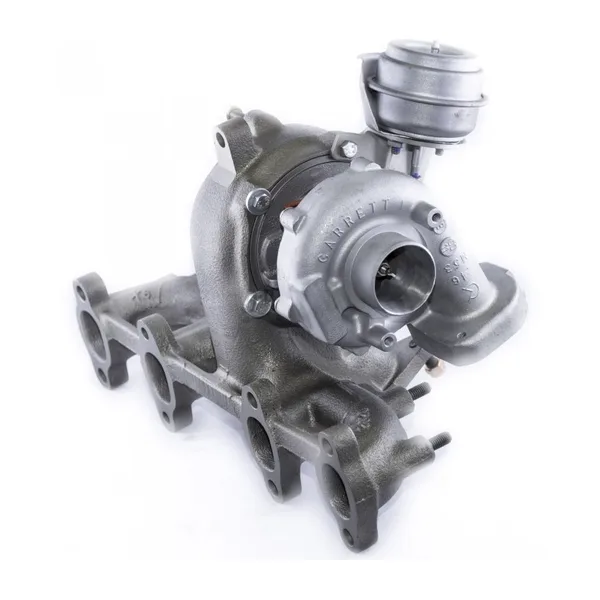
The 1.9 TDI 150 hp engine, renowned for its durability and efficiency, powers a wide range of Volkswagen Group vehicles from the late 1990s to the mid-2010s. This category focuses on exchange standard turbocompressors designed to replace worn or failed units, offering a cost-effective alternative to OEM replacements. Whether you’re a mechanic facing a repeat failure or a car owner diagnosing a loss of power, these turbos are engineered to restore original performance levels while adhering to strict remanufacturing standards.
This range is curated by a wholesale specialist with direct ties to European remanufacturers, ensuring each turbo meets the technical demands of the 1.9 TDI 150 hp platform. The selection process excludes generic aftermarket parts in favor of units that align with OEM tolerances, reducing the risk of premature failure. By leveraging bulk purchasing power, we maintain competitive pricing while delivering availability for high-demand applications across multiple vehicle brands.
Professional uses by trade
Different users approach the 1.9 TDI 150 hp turbo exchange standard category with distinct priorities, from workshop efficiency to personal vehicle maintenance. Independent garages rely on these parts to minimize downtime, while DIY enthusiasts seek reliable solutions for home repairs. German buyers, familiar with the engine’s reputation, often prioritize long-term durability and ease of installation.
- Independent garage: Replace a failing turbo on a 2005 Audi A4 1.9 TDI 150 hp with a remanufactured unit to avoid costly OEM delays and maintain workshop reputation for quick turnarounds.
- Stranded motorist: Diagnose a sudden loss of power and smoke from the exhaust by sourcing an exchange standard turbo compatible with your 2008 Volkswagen Passat 1.9 TDI 150 hp before the issue escalates.
- DIY enthusiast: Perform a turbo replacement on your 1999 Seat Leon 1.9 TDI 150 hp using a pre-verified exchange standard unit, following step-by-step guides to ensure a professional-grade repair.
- German buyer (DACH): Address a persistent whining noise under the hood of your 2010 Skoda Octavia 1.9 TDI 150 hp by selecting a turbo with documented remanufacturing history and clear OEM equivalences.
- Fleet manager: Maintain a stock of exchange standard turbos for a fleet of 1.9 TDI 150 hp vehicles, ensuring minimal downtime during scheduled maintenance or unexpected failures.
- Classic car restorer: Restore a 1995 Volkswagen Golf 1.9 TDI 150 hp to original performance by pairing the engine with a remanufactured turbo that matches the vehicle’s era-specific specifications.
- Trucking workshop: Service commercial vehicles powered by the 1.9 TDI 150 hp by stocking exchange standard turbos, reducing lead times for repairs and avoiding costly engine replacements.
Range comparison
Below, you’ll find the exchange standard turbos specifically engineered for the 1.9 TDI 150 hp platform, listed with their exact references and core compatibility details. Each unit is selected for its ability to restore original performance without compromising on build quality or longevity.
| Range | Use | Format |
|---|---|---|
| Turbo Garrett 716213-0001 | Direct replacement for high-mileage 1.9 TDI 150 hp engines | |
| SL Turbo 721021-5008S | Ideal for workshops managing multiple 1.9 TDI variants |
How to choose
Selecting the right turbo for your 1.9 TDI 150 hp requires attention to compatibility, remanufacturing quality, and core return policies. Professionals should prioritize units with clear OEM references, while DIY users benefit from documented geometry and CHRA integrity.
- Verify the turbo’s OEM reference matches your vehicle’s engine code to avoid installation mismatches and ensure seamless performance restoration.
- Prioritize turbos with documented remanufacturing processes, including CHRA inspection and geometry variable testing, to deliver consistent output.
- Check core return policies before purchase, as some suppliers require a used turbo deposit to offset remanufacturing costs and reduce waste.
- Assess the turbo’s packaging for protection against transit damage, especially if ordering for a remote workshop or private customer.
- Confirm the supplier’s stock rotation practices to avoid delays, as older remanufactured units may exhibit reduced longevity compared to freshly processed cores.
- Evaluate the supplier’s warranty terms, focusing on coverage for defects rather than performance delivers, which are often unenforceable in exchange standard parts.
- For German buyers, ensure the turbo meets EU emission standards and includes documentation for customs clearance, avoiding delays at the border.
Storage & logistics
Proper storage of exchange standard turbos is essential to preserve their remanufactured condition before installation. Keep units in a climate-controlled environment, away from moisture and direct sunlight, to prevent corrosion or seal degradation. For workshops, organize turbos by vehicle model and engine code to streamline picking and reduce errors during busy periods. Always inspect packaging for damage upon receipt, as even minor punctures can compromise the turbo’s internal components. Rotate stock regularly to ensure older units are used first, maintaining freshness and reliability. For DIY users, store the turbo in its original packaging until installation, avoiding contact with tools or other parts that could scratch the housing or damage the CHRA.
With over a decade of sourcing remanufactured turbos for the 1.9 TDI 150 hp platform, our team has refined the selection process to prioritize durability and compatibility. We don’t just sell turbos—we provide solutions that restore confidence in every repair, whether for a garage managing fleets or a hobbyist restoring a classic.— autoKUR team
Related categories
Browse our other ranges:
Useful references
For regulatory and sector references, see Reglement (UE) 461/2010 — pieces de rechange et garantie constructeur.