
Available products
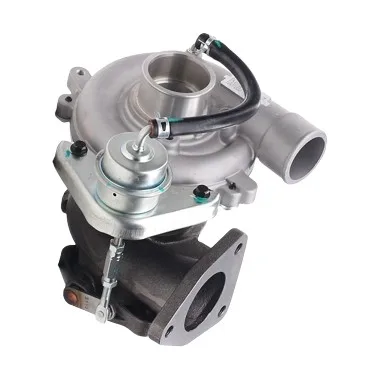
In stock
1 exchange-standard reference(s) match the TOYOTA Hilux 7 2.5 D-4d 102 hp (75 kW diesel). Output is the deciding criterion: a part meant for another output of the same displacement will not fit.
Engine specification: 2494 cm³, diesel, built from 03/2005 to 05/2015. Matching part number: 17201-30141 (Toyota). Compare with the code stamped on your part.
Other engines of the TOYOTA Hilux 7: 3.0 D-4d 171 hp, 2.5 D-4d 144 hp, 2.5 D-4d 128 hp. If the code stamped on your part is legible, search by reference remains the safest route. 24-month warranty.
Related categories
Frequently asked questions
About this category
The 2.5 D-4d 102 hp turbo category addresses a persistent challenge in the automotive aftermarket: sourcing a remanufactured turbocharger that restores lost power and efficiency without the premium of a brand-new unit. This range is designed for independent garages, DIY mechanics, and stranded motorists who prioritize reliability and compatibility over unnecessary expenses. Each product in this category undergoes a rigorous remanufacturing process to meet or exceed OEM performance benchmarks, ensuring that the turbocharger functions as intended in the original vehicle configuration.
This range is curated to provide professionals and enthusiasts with turbos that are not only compatible with the 2.5 D-4d 102 hp engine but also backed by a supply chain that delivers availability and consistency. The role of the wholesaler in this context is to bridge the gap between high-volume production and the specific needs of repair workshops, ensuring that every order is fulfilled with precision. The turbos listed here are selected for their ability to integrate seamlessly into existing systems, reducing downtime and labor costs for garages while offering motorists a dependable solution for power loss or turbo failure.
Professional uses by trade
Different user profiles approach the 2.5 D-4d 102 hp turbo category with distinct priorities, whether it’s restoring a vehicle’s performance, minimizing repair costs, or ensuring long-term reliability. Garages focus on compatibility and bulk availability, while DIY enthusiasts seek ease of installation and affordability. German buyers, in particular, prioritize precision engineering and adherence to OEM standards.
- Le garagiste independant : Replaces a failing turbo with a remanufactured unit to restore the vehicle’s original power output and fuel efficiency, avoiding costly brand-new replacements.
- Le garagiste independant : Orders turbos in bulk to maintain a consistent inventory for common motorizations, reducing lead times for customer repairs.
- L'automobiliste depanne : Seeks an exchange standard turbo to resolve sudden power loss or excessive smoke, ensuring the vehicle remains drivable until a permanent repair is possible.
- L'automobiliste depanne : Prefers a pre-tested turbo to avoid the risk of installing a faulty unit, which could lead to further engine damage.
- Le passionne qui fait lui-meme : Selects a turbo with clear installation instructions to perform the replacement at home, saving on labor costs.
- Le passionne qui fait lui-meme : Chooses a turbo with a known core deposit system to simplify the return of the old unit, streamlining the exchange process.
- Der deutsche Kaeufer (DACH) : Prioritizes turbos that meet strict German engineering standards, ensuring long-term reliability and compliance with local regulations.
Range comparison
The following turbos are specifically designed for the 2.5 D-4d 102 hp engine, each selected for its compatibility and remanufacturing quality. These units are presented with their OEM references to ensure precise identification.
| Range | Use | Format |
|---|---|---|
| Turbo Toyota 17201-30141 | Direct replacement for Toyota 2.5 D-4d engines |
How to choose
Selecting the right turbo for the 2.5 D-4d 102 hp engine requires evaluating several key factors to ensure optimal performance and longevity. Professionals and enthusiasts alike must consider compatibility, remanufacturing quality, and ease of installation.
- Verify the turbo’s compatibility with the vehicle’s exact motorization, including engine code and model year, to avoid mismatches.
- Assess the remanufacturing process used, ensuring the turbo’s core components are restored to OEM specifications.
- Check the condition of the turbo’s housing and shaft for signs of wear or damage that could affect performance.
- Confirm the availability of a core deposit system to simplify the return of the old turbo, reducing hassle and costs.
- Evaluate the turbo’s packaging and handling instructions to ensure it arrives in optimal condition for installation.
- Prioritize turbos with a consistent track record of reliability in similar applications, reducing the risk of premature failure.
- Consider the supplier’s reputation for customer service and support, particularly for technical queries or warranty concerns.
Storage & logistics
For garages and wholesalers, proper storage of exchange standard turbos is essential to maintain their condition and performance. These units should be kept in a climate-controlled environment to prevent moisture damage or corrosion, particularly in regions with high humidity. The packaging must remain intact until installation to avoid contamination from dust or debris, which could compromise the turbo’s internal components. Regular inventory rotation ensures that older stock is used first, reducing the risk of obsolescence. For German buyers, adherence to local storage guidelines is critical to comply with environmental and safety regulations. Always handle turbos with care, avoiding impacts or drops that could misalign internal components.
With over a decade of experience in turbo remanufacturing, our team ensures that every 2.5 D-4d 102 hp turbo meets the highest standards of precision and durability, restoring your vehicle’s performance with confidence.— autoKUR team
Related categories
Browse our other ranges:
Useful references
For regulatory and sector references, see Reglement (UE) 461/2010 — pieces de rechange et garantie constructeur.