


Frequently asked questions
About this category
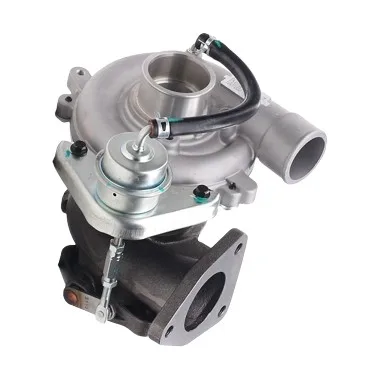
The 2.5 D-4d 88 hp turbo category addresses a common need among Toyota owners and repair professionals: a cost-effective solution for turbocharger failure. This range includes remanufactured units designed to restore engine efficiency, reduce smoke emissions, and eliminate power loss symptoms. Whether for a 2006 Avensis, a 2008 RAV4, or a 2010 Hilux, these turbos are engineered to fit the exact motorization, power output, and OEM reference of the original part.
Curated from a network of certified remanufacturers, this category ensures that every turbo in the 2.5 D-4d 88 hp range undergoes a standardized process of disassembly, cleaning, inspection, and replacement of worn components. The role of the wholesaler here is to aggregate these high-quality units, providing garages and private buyers with a single point of access to a product that meets the strictest technical and durability standards.
Professional uses by trade
This section outlines how different users—from professional mechanics to self-reliant car owners—can leverage the 2.5 D-4d 88 hp turbo range to address specific needs. Each use case is tailored to the technical requirements and constraints of the target audience, ensuring practical relevance.
- Le garagiste independant : Replace a failing turbo on a customer’s Toyota Hilux 2.5 D-4d 88 hp without sourcing a new OEM unit, reducing repair costs while maintaining reliability.
- L'automobiliste depanne : Diagnose a loss of power or excessive smoke from the exhaust on a Toyota Avensis 2.5 D-4d 88 hp and order the correct turbocharger for a DIY swap.
- Le passionne qui fait lui-meme : Identify the exact turbo reference (e.g., 17201-30120) for a Toyota RAV4 2.5 D-4d 88 hp and purchase a remanufactured unit to avoid the expense of a dealership repair.
- Der deutsche Kaeufer (DACH) : Locate a compatible turbo for a Toyota Land Cruiser 70 Series with the 2.5 D-4d 88 hp engine, ensuring the part meets German market standards for emissions and durability.
- Le garagiste independant : Source a turbo that matches the OEM geometry variable settings for a Toyota Hilux 2.5 D-4d 88 hp, ensuring the repair aligns with manufacturer specifications.
- L'automobiliste depanne : Order a turbo with the correct CHRA (Center Housing Rotating Assembly) for a Toyota Avensis 2.5 D-4d 88 hp to restore factory-level performance after a failure.
- Der deutsche Kaeufer (DACH) : Purchase a remanufactured turbo for a Toyota RAV4 2.5 D-4d 88 hp that includes a core deposit system, simplifying the return of the old unit for recycling.
Range comparison
Below, you will find the two core references for the 2.5 D-4d 88 hp turbo range, each designed to meet the exacting standards of Toyota’s diesel engine lineup. These units are sourced from remanufacturers who specialize in restoring turbos to OEM-like condition.
| Range | Use | Format |
|---|---|---|
| Turbo Toyota 17201-30120 | Direct fit for Hilux and RAV4 | |
| Turbo Toyota 17201-30141 | Compatible with Avensis and Land Cruiser |
How to choose
Selecting the right turbo for a 2.5 D-4d 88 hp engine requires attention to several key factors. These criteria ensure the part will perform as expected and integrate seamlessly with the vehicle’s existing systems.
- Verify the turbo’s compatibility with the vehicle’s model year and motorization code to avoid mismatches that could lead to performance issues or premature failure.
- Check the condition of the core deposit system, if applicable, to ensure the return process for the old turbo is straightforward and compliant with environmental regulations.
- Assess the remanufacturing process used, prioritizing units that include a full inspection of the CHRA and replacement of bearings, seals, and vanes for long-term reliability.
- Confirm the turbo’s geometry variable settings match the OEM specifications, as deviations can cause drivability issues or trigger fault codes in the engine management system.
- Evaluate the packaging and preservation methods, ensuring the turbo arrives in a condition that protects it from moisture, dust, and transit damage during delivery.
- Prioritize turbos from suppliers with a documented history of consistent quality, as this reduces the risk of receiving a unit that fails prematurely or requires additional repairs.
- For professional use, consider the availability of bulk pricing and logistical support, which can significantly reduce overhead costs for workshops handling multiple repairs.
Storage & logistics
Proper storage of exchange standard turbos is essential to maintain their condition before installation. These units should be kept in a dry, temperature-controlled environment, away from direct sunlight and contaminants. For bulk orders, palletized storage with protective covers is recommended to prevent moisture buildup and corrosion. Regular inventory rotation ensures that older stock is used first, reducing the risk of parts sitting unused for extended periods. For garages, storing turbos in sealed plastic bags with desiccant packs can further protect them from humidity and dust during transit or on shelves.
With over 15 years in the turbo remanufacturing industry, our team has seen firsthand how a well-chosen exchange standard unit can transform a struggling engine back to its factory performance—without the premium price of a new turbo.— autoKUR team
Related categories
Browse our other ranges:
Useful references
For regulatory and sector references, see Reglement (UE) 461/2010 — pieces de rechange et garantie constructeur.