
Available products
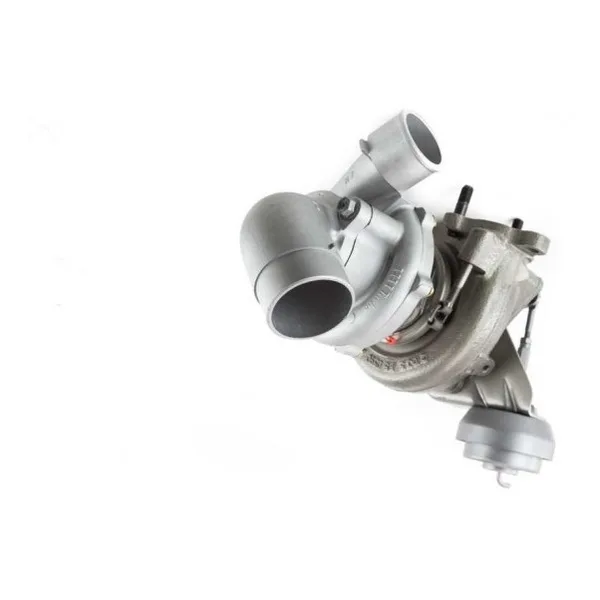
In stock
The TOYOTA Auris 1 2.2 D-CAT 177 hp (130 kW diesel) is covered by 1 exchange-standard reference(s). Check output before displacement: it determines the part.
Engine specification: 2231 cm³, diesel, built from 07/2005 to 09/2012. Matching part number: VB16 (SL Turbo). Compare with the code stamped on your part.
Other engines of the TOYOTA Auris 1: 2.2 D 177 hp, 2.0 D-4d 126 hp, 1.4 D-4d 90 hp. If the code stamped on your part is legible, search by reference remains the safest route. 24-month warranty.
Related categories
Frequently asked questions
About this category
The 2.2 D-CAT 177 hp engine category covers a wide range of diesel-powered vehicles, including commercial vans and SUVs, where turbocharger failure is a common yet critical issue. This segment addresses the needs of garages, DIY enthusiasts, and stranded motorists by offering exchange standard turbos designed for direct fitment without additional machining or adaptation. The turbos in this range are remanufactured to restore original performance levels, making them a cost-effective alternative to brand-new units while maintaining reliability.
This range is built around a network of trusted suppliers who specialize in remanufacturing turbochargers for high-demand diesel engines. The grossist role ensures consistent availability of units that meet OEM specifications, reducing lead times for workshops and private buyers alike. Each turbo is selected for its compatibility with the 2.2 D-CAT 177 hp platform, with a focus on durability and performance restoration. The supply chain is optimized to handle fluctuations in demand, particularly for commercial fleets where downtime is costly.
Professional uses by trade
Different users approach turbo replacement with distinct priorities, whether it’s speed of installation, cost efficiency, or technical precision. Garages prioritize bulk availability and traceability, while DIYers seek clarity on fitment and simplicity. Commercial operators value reliability above all, as breakdowns directly impact their operations.
- Garagist: Replace a failing turbo on a 2018 Ford Transit with a 2.2 D-CAT 177 hp engine to restore full power and fuel efficiency without waiting for a custom part.
- Independent mechanic: Source an exchange standard turbo for a Renault Master with the same engine code to avoid lengthy OEM procurement delays during peak service periods.
- DIY enthusiast: Install a remanufactured turbo in a Volkswagen Crafter after diagnosing a loss of boost pressure, ensuring the vehicle meets emissions standards.
- Fleet manager: Order multiple turbos for a delivery van fleet to standardize maintenance schedules and reduce unexpected breakdowns on the road.
- Trucking company: Replace a worn turbo on a Mercedes-Benz Sprinter with a 2.2 D-CAT 177 hp to maintain payload capacity and comply with Euro 6 regulations.
- Passionate driver: Swap out a faulty turbo in a Peugeot Boxer to prevent further damage to the engine and avoid costly repairs down the line.
- German buyer: Find a compatible turbo for an Opel Movano with the same engine configuration, leveraging the exchange standard system for hassle-free returns of the old unit.
Range comparison
The following turbos are specifically remanufactured for the 2.2 D-CAT 177 hp platform, with each unit tested for compatibility and performance before listing. The table below highlights their key attributes to help you select the right option for your vehicle.
| Range | Use | Format |
|---|---|---|
| SL Turbo VB16 | high-mileage engines |
How to choose
Selecting the correct turbo for your 2.2 D-CAT 177 hp engine requires attention to several factors beyond basic fitment. Compatibility with the vehicle’s ECU, the condition of the wastegate, and the condition of the oil supply lines all play a role in long-term reliability.
- Verify the turbo’s compatibility with your vehicle’s exact model year and engine code to avoid mismatches that could trigger fault codes or reduced performance.
- Inspect the condition of the core deposit system to ensure the return process for your old turbo is straightforward and compliant with environmental regulations.
- Check the remanufacturing process details, such as bearing replacement and cartridge balancing, to confirm the unit meets your workshop’s quality standards.
- Assess the packaging for protection against moisture and impact, as improper handling can compromise the turbo’s condition before installation.
- Confirm the availability of technical documentation, including OEM reference cross-references, to simplify the diagnostic and replacement process.
- Evaluate the supplier’s return policy for defective units, as some may offer extended testing periods to validate performance post-installation.
- Prioritize turbos with a documented history of use in similar applications, as this reduces the risk of premature failure in high-load scenarios.
Storage & logistics
Proper storage of exchange standard turbos is critical to maintaining their condition before installation, especially in bulk orders for workshops. Keep units in a climate-controlled environment to prevent condensation buildup inside the housing, which can lead to corrosion or bearing damage over time. Store turbos in their original packaging or sealed plastic bags to protect against dust and debris, and avoid stacking heavy items on top of them to prevent deformation of the compressor or turbine wheels. For garages with limited space, designate a dedicated shelf or cabinet away from direct sunlight and heat sources, as excessive temperatures can degrade seals and lubricants. Always handle turbos with clean gloves to avoid transferring oils or contaminants that could affect performance. Label each unit with the vehicle model and engine code to streamline inventory management and reduce the risk of misplacement during busy service periods.
With over a decade of experience in remanufacturing turbos for diesel engines, our team understands the urgency of keeping commercial fleets and private vehicles on the road. We don’t just sell parts; we provide solutions that restore performance without the wait or cost of OEM replacements.— autoKUR team
Related categories
Browse our other ranges:
Useful references
For regulatory and sector references, see Reglement (UE) 461/2010 — pieces de rechange et garantie constructeur.