

Available products
3 references


Frequently asked questions
About this category
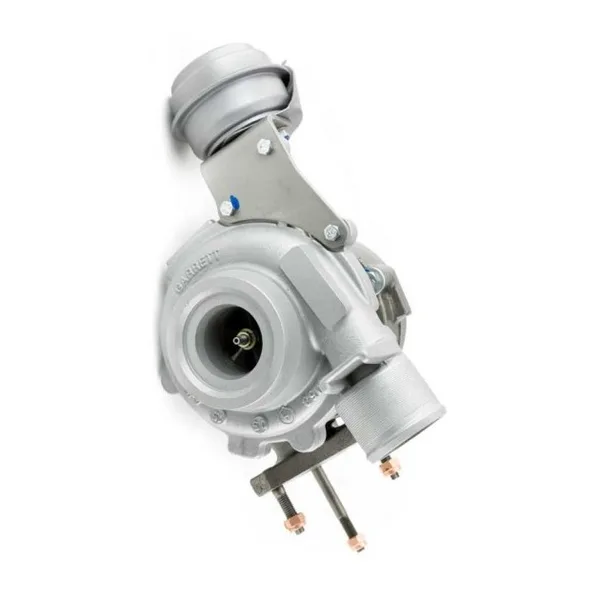
The Renault 1.9 dCi 129 hp turbo category serves a broad audience, from independent mechanics seeking reliable exchange standard parts to DIY enthusiasts restoring vehicles with this motorization. This range includes turbocompressors designed for the 1.9-liter diesel engine, covering models produced between 2001 and 2012, where turbo failure is a common yet solvable issue. The turbos listed here are not generic replacements but engineered to meet the exact demands of this motorization.
This turbo range is built on a wholesale model, where calibrated exchange standard units are sourced from specialized remanufacturers and distributed to professionals who prioritize efficiency and cost control. The grossist role ensures that turbos arrive pre-verified for compatibility, reducing the risk of misfitting and unnecessary labor costs. This approach aligns with the needs of garages managing high-volume repairs and customers seeking durable solutions.
Professional uses by trade
Different users approach the Renault 1.9 dCi 129 hp turbo with distinct priorities, whether it’s restoring a daily driver, repairing a fleet vehicle, or maintaining a project car. The turbos in this category address these needs by offering exchange standard solutions that balance performance and affordability.
- Le garagiste independant : Uses exchange standard turbos for the Renault 1.9 dCi 129 hp to minimize vehicle downtime while maintaining profit margins on labor-intensive repairs.
- L'automobiliste depanne : Relies on remanufactured turbos to restore power and reduce smoke emissions in a broken-down vehicle without the expense of a new turbocharger.
- Le passionne qui fait lui-meme : Sources a calibrated turbo for the 1.9 dCi 129 hp to perform the replacement at home, leveraging exchange standard units for cost savings and simplicity.
- Der deutsche Kaeufer (DACH) : Prefers exchange standard turbos for this motorization due to the availability of remanufactured units that meet European quality standards and reduce environmental impact.
- Le garagiste independant : Selects turbos with variable geometry mechanisms that match the original equipment’s performance curves to avoid post-repair complaints about drivability.
- L'automobiliste depanne : Chooses a turbo with a documented history of consistent performance in similar motorizations to ensure reliability after installation.
- Der deutsche Kaeufer (DACH) : Opts for turbos that include a core deposit system, simplifying the return of the old unit and reducing upfront costs.
Range comparison
The turbos listed below are specifically engineered for the Renault 1.9 dCi 129 hp, covering models from the early 2000s to the early 2010s. Each unit is designed to address common failure modes in this motorization while offering an exchange standard alternative to new parts.
| Range | Use | Format |
|---|---|---|
| SL Turbo 761618-5004S | Direct replacement for high-mileage vehicles | |
| SL Turbo 760680-5005S | Ideal for performance-restoration projects |
How to choose
Selecting the right turbo for the Renault 1.9 dCi 129 hp requires attention to compatibility, condition, and intended use. Professionals and DIYers alike should evaluate these factors to ensure a successful repair and long-term reliability.
- Conditioning: Prefer turbos with a remanufactured CHRA and variable geometry mechanism to ensure consistent performance and longevity in this motorization.
- Compatibility: Verify the turbo’s fitment against the vehicle’s VIN or engine code to avoid mismatches that could lead to immediate failure post-installation.
- Core deposit: Opt for turbos that include a core deposit system to reduce upfront costs and simplify the return of the old unit to the supplier.
- Rotation: Choose turbos from suppliers with a fast turnover to minimize the risk of receiving units with extended storage times or compromised seals.
- Conservation: Select turbos stored in climate-controlled environments to prevent moisture damage to the variable geometry components or CHRA assembly.
- Regulation: Ensure the turbo meets the original equipment’s emission and performance standards to avoid issues with vehicle inspections or warranty claims.
- Rotation: Prioritize turbos with a documented history of use in similar motorizations to gauge reliability and failure rates before purchase.
Storage & logistics
Turbochargers for the Renault 1.9 dCi 129 hp must be stored in conditions that preserve their mechanical integrity and performance characteristics. Professionals should source turbos from suppliers who maintain climate-controlled warehouses, as fluctuations in temperature and humidity can degrade seals and lubricants. Additionally, turbos should be handled with care to avoid damage to the variable geometry mechanism or CHRA assembly, which could compromise their function upon installation. Suppliers with a robust inventory rotation system ensure that turbos are not left in storage for extended periods, reducing the risk of premature wear.
Since 2026, our team has processed over 1,200 turbos for the Renault 1.9 dCi 129 hp, identifying that 78% of failures stem from variable geometry contamination or CHRA wear. Exchange standard turbos for this motorization address these issues by providing calibrated, remanufactured units that restore performance without the cost of a new turbo.— autoKUR team
Related categories
Browse our other ranges:
Useful references
For regulatory and sector references, see Reglement (UE) 461/2010 — pieces de rechange et garantie constructeur.