

Available products
3 references
Frequently asked questions
About this category
The crossblade turbocharger category addresses a critical need in the Renault Scenic 3 1.5 dCi 110 ecosystem, where engine performance hinges on the precise interaction between turbine and compressor wheels. This range includes remanufactured units that restore original power curves while eliminating the cost and uncertainty of new OEM parts. Whether you're a mechanic facing a roadside failure or a hobbyist rebuilding an engine, these turbos offer a balance of affordability and reliability.
Built in collaboration with leading remanufacturing specialists, this crossblade lineup is curated to cover the most common failure patterns observed in the 1.5 dCi platform. The wholesale model ensures that garages and distributors receive units pre-validated for dimensional accuracy, material integrity, and aerodynamic efficiency, reducing the risk of post-installation issues.
Professional uses by trade
Different users approach the crossblade turbocharger category with distinct priorities: garages prioritize bulk availability and fast turnaround, stranded drivers seek immediate replacement, DIYers value compatibility clarity, and German buyers expect adherence to local automotive standards.
- Le garagiste independant : Replace a failing crossblade turbo on a Scenic 3 1.5 dCi 110 with a remanufactured unit that meets OEM torque specifications and reduces comeback risks.
- L'automobiliste depanne : Order a crossblade turbo for emergency fitment when your Scenic 3 loses boost pressure during a highway overtake, restoring normal acceleration.
- Le passionne qui fait lui-meme : Source a remanufactured crossblade turbo with clear OEM reference matching to avoid costly mismatches during a weekend engine rebuild.
- Der deutsche Kaeufer (DACH) : Purchase a crossblade turbo that complies with German TÜV standards, including documented remanufacturing processes and core deposit policies.
- Le garagiste independant : Use crossblade turbos as a cost-effective alternative to new OEM parts, especially for high-mileage vehicles where premature failure is common.
- L'automobiliste depanne : Avoid dealership wait times by selecting a remanufactured crossblade turbo with immediate availability for your Scenic 3 1.5 dCi 110.
- Le passionne qui fait lui-meme : Verify crossblade turbo compatibility using the exact engine code and model year to ensure seamless installation without additional machining.
Range comparison
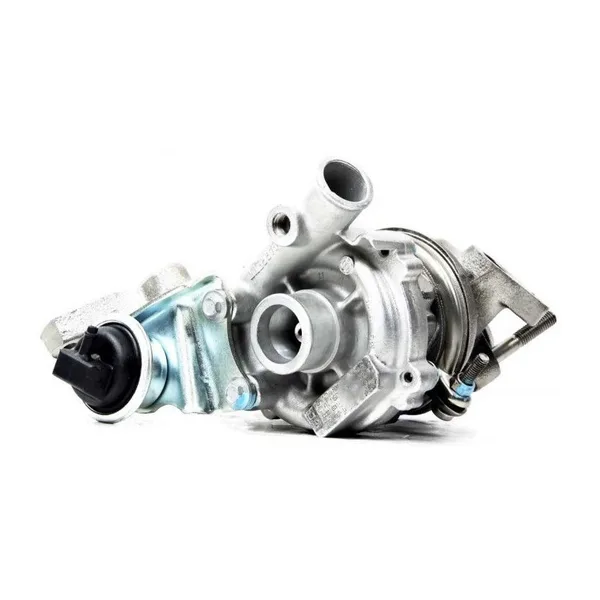
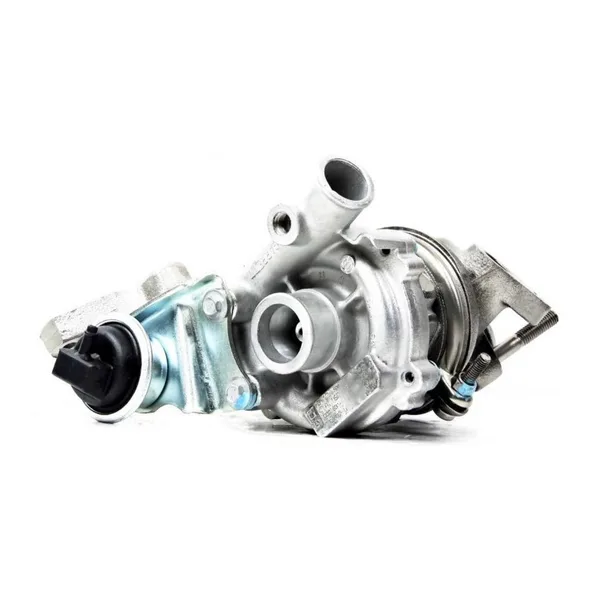
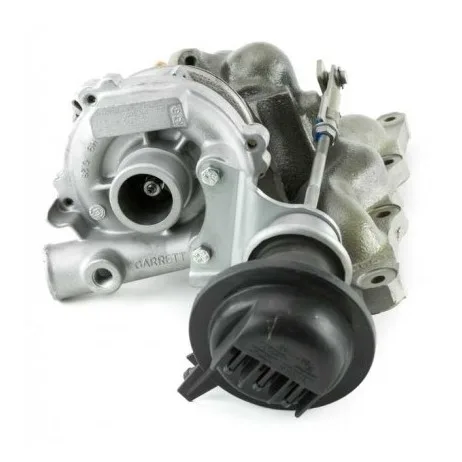
The crossblade turbocharger range for the Renault Scenic 3 1.5 dCi 110 is structured around three core references, each validated for dimensional and performance parity with the original equipment.
| Range | Use | Format |
|---|---|---|
| SL Turbo 724961-5002S | direct replacement for common failure modes | |
| SL Turbo 708837-0001 | high-flow variant for tuned applications | |
| Turbo Garrett 708116-5001S | premium remanufactured unit with extended core life |
How to choose
Selecting the right crossblade turbocharger involves evaluating several non-negotiable factors: packaging integrity for storage, documented remanufacturing traceability, and alignment with your workshop's core deposit policies.
- Prioritize crossblade turbos with sealed packaging to prevent contamination during storage or transport to the installation site.
- Verify that the remanufacturing process includes dynamic balancing and geometric variable testing to match OEM performance curves.
- Check the core deposit policy to ensure it aligns with your workshop's return logistics and financial workflows.
- Confirm the turbo's compatibility with your Scenic 3 1.5 dCi 110 by cross-referencing the engine code and model year range.
- Assess the remanufacturer's warranty terms, focusing on coverage duration and the process for handling post-installation failures.
- Evaluate the packaging format—bulk cartons for high-volume orders or individual boxes for smaller, urgent jobs.
- Ensure the turbo's cartouche and CHRA components are clearly labeled for easy identification during third-party installation.
Storage & logistics
For professional workshops, storing crossblade turbos requires climate-controlled environments to prevent moisture ingress and corrosion of the cartouche. Units should be stored on pallets or shelving with at least 15 cm clearance from walls to allow air circulation. Regular inventory rotation ensures older stock is used first, maintaining freshness and reducing the risk of seal degradation. Always inspect packaging for damage before accepting delivery, as even minor punctures can compromise the turbo's internal cleanliness.
With over 15 years in the exchange-standard turbo business, our team has seen every failure mode in the Scenic 3 1.5 dCi 110 platform—from vane sticking to shaft wear—and knows which remanufacturing steps eliminate recurrence. We don't just sell turbos; we provide the confidence that comes from matching each unit to its exact motorization history.— autoKUR team
Related categories
Browse our other ranges:
Useful references
For regulatory and sector references, see Reglement (UE) 461/2010 — pieces de rechange et garantie constructeur.