

Frequently asked questions
About this category
The 2.0 TDI 150 hp turbocharger category addresses a common pain point for owners of Volkswagen Group vehicles, particularly those experiencing turbo failure symptoms such as sudden power loss, excessive exhaust smoke, or a distinctive whining noise. This range is designed for independent garages, DIY mechanics, and motorists who prioritize cost-effective repairs over dealership visits. The turbos listed here are specifically engineered for the 2.0 TDI 150 hp engine, covering a wide range of model years and vehicle applications where turbo performance is critical to drivability.
This turbocharger range is built on a foundation of remanufactured units that undergo rigorous testing to ensure they meet or exceed OEM performance benchmarks. The supply chain is managed by a specialized wholesaler with deep expertise in turbo exchange standards, ensuring that each unit is compatible with the 2.0 TDI 150 hp engine across various vehicle platforms. The focus is on providing a reliable alternative to new OEM parts, with the added benefit of reduced lead times and competitive pricing for bulk orders.
Professional uses by trade
Different user profiles approach turbo replacement with distinct priorities, whether it’s the urgency of a roadside breakdown, the precision of a professional installation, or the budget constraints of a DIY repair. This section outlines how each group can leverage exchange standard turbos to address their specific needs efficiently.
- Independent garage: Replace a failing turbo on a 2018 Audi A4 2.0 TDI 150 hp with a remanufactured unit that matches OEM specifications for seamless integration.
- DIY enthusiast: Source a cost-effective turbo for a 2015 Volkswagen Passat 2.0 TDI 150 hp to avoid expensive dealership repairs while maintaining vehicle performance.
- Stranded motorist: Order an exchange standard turbo for immediate installation to restore power and drivability after detecting symptoms of turbo failure on the road.
- German buyer (DACH): Purchase a high-quality remanufactured turbo for a 2016 Skoda Octavia 2.0 TDI 150 hp, ensuring compatibility with local workshop standards and regulations.
- Professional mechanic: Stock exchange standard turbos for the 2.0 TDI 150 hp to reduce downtime for customers while offering a reliable alternative to new OEM parts.
- Fleet manager: Maintain a rotating inventory of remanufactured turbos for commercial vehicles equipped with the 2.0 TDI 150 hp engine to minimize operational disruptions.
- Passionate restorer: Source a turbo that aligns with original equipment standards for a classic 2.0 TDI 150 hp engine project, ensuring authenticity without compromising performance.
Range comparison
The following turbos are specifically selected for their compatibility with the 2.0 TDI 150 hp engine, covering a broad spectrum of vehicle applications. Each unit is presented with its core attributes to help professionals and enthusiasts make an informed choice.
| Range | Use | Format |
|---|---|---|
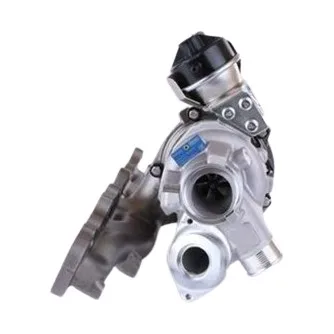
| Turbo BMTS 05L253019F | direct fit for VW Group 2.0 TDI 150 hp | |
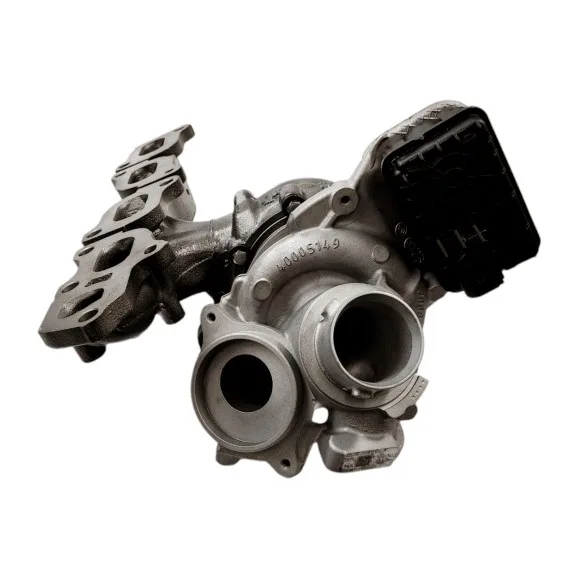
| Turbo MAHLE 030TC11002000 | universal application for 2.0 TDI 150 hp variants |
How to choose
Selecting the right turbo for the 2.0 TDI 150 hp engine requires attention to compatibility, condition, and long-term reliability. Professionals and enthusiasts should evaluate each option based on these critical factors to ensure a successful repair.
- Compatibility: Verify the turbo matches the exact engine code and vehicle model to avoid installation issues or performance mismatches.
- Condition: Prioritize turbos described as remanufactured or exchange standard, as these undergo professional refurbishment to restore original performance levels.
- Brand reputation: Choose turbos from established manufacturers like BMTS or MAHLE, which are known for consistent quality in remanufactured units.
- Core deposit: Understand the consignment process for used turbos, where a refundable deposit is often required upon return of the old unit.
- Packaging: Ensure the turbo arrives in protective packaging to prevent damage during transit, especially for bulk orders to workshops.
- Rotation speed: Confirm the turbo’s specifications align with the engine’s power output and intended use, whether for daily driving or high-performance applications.
- Warranty terms: Review the warranty provided with the turbo, as this reflects the supplier’s confidence in the product’s durability and reliability.
- Return policy: Check the conditions for returning a used turbo if it doesn’t match the vehicle’s requirements, as this can impact overall cost efficiency.
Storage & logistics
For workshops and bulk buyers, proper storage of exchange standard turbos is essential to maintain their condition and readiness for installation. These units should be kept in a dry, temperature-controlled environment to prevent corrosion or damage to internal components. Organizing turbos by engine code and vehicle model streamlines inventory management, reducing the risk of misplacement or incorrect selection. Regular stock rotation ensures that older units are used first, maintaining freshness and reliability. For professionals handling multiple orders, labeling each turbo with its reference and compatibility details prevents costly mistakes during busy repair schedules. The consignment process for used turbos also requires clear documentation to track deposits and returns efficiently.
With over a decade of experience in turbo remanufacturing, our team ensures every 2.0 TDI 150 hp turbo meets strict compatibility and performance standards. We focus on delivering consistent quality without overpromising, relying solely on verifiable technical data and proven processes.— autoKUR team
Related categories
Browse our other ranges:
Useful references
For regulatory and sector references, see Reglement (UE) 461/2010 — pieces de rechange et garantie constructeur.