

Available products
2 references
Frequently asked questions
About this category
This category covers reconditioned turbochargers specifically designed for the 1.9 TDI 105 HP engine, a workhorse found in numerous European diesel vehicles from the late 1990s to early 2010s. Whether you are a professional mechanic, a DIY enthusiast, or a German-speaking buyer in the DACH region, this page provides the technical details needed to identify the correct turbo for your motorization. The turbos listed here are not new OEM parts but professionally remanufactured units, restored to original performance specifications through a controlled process of cleaning, inspection, and replacement of worn components.
The range is built around core turbos sourced from leading European remanufacturers, selected for their consistency in quality and compatibility across multiple vehicle brands. Each unit undergoes a standardized remanufacturing process, including balancing of the CHRA (Center Housing Rotating Assembly), replacement of seals and bearings, and testing for pressure and vacuum integrity. The role of the wholesaler is to aggregate these remanufactured cores into bulk formats, ensuring mechanics and repair shops can access the right turbo without delays or unnecessary markup.
Professional uses by trade
Different users approach this category with distinct needs: garages prioritize bulk availability and fast turnaround, DIY owners seek clear compatibility guides, while German buyers in the DACH region often require detailed technical documentation in their language.
- Le garagiste independant : Uses reconditioned turbos as direct replacements to restore vehicle performance without the cost of new OEM parts, leveraging bulk packaging for efficient inventory management.
- L'automobiliste depanne : Relies on accurate motorization matching to avoid costly mistakes when ordering a turbo for a 1.9 TDI 105 HP engine showing signs of failure.
- Le passionne qui fait lui-meme : Prefers remanufactured turbos for their balance between cost and reliability, often sourcing them alongside injectors or pumps for a complete engine refresh.
- Der deutsche Kaeufer (DACH) : Seeks turbos with clear technical specifications and compatibility notes in German, ensuring seamless integration into their vehicle’s engine bay.
- Le garagiste independant : Orders turbos in bulk to reduce per-unit costs, especially when servicing multiple vehicles with the same motorization.
- L'automobiliste depanne : Verifies the turbo’s compatibility with their vehicle’s exact motorization code before purchase to prevent mismatches.
- Der deutsche Kaeufer (DACH) : Values turbos that come with detailed documentation, including OEM reference cross-references and remanufacturing standards.
Range comparison
Below are the two reconditioned turbocharger models available for the 1.9 TDI 105 HP category, each listed with its exact reference and primary use case for professionals and enthusiasts alike.
| Range | Use | Format |
|---|---|---|
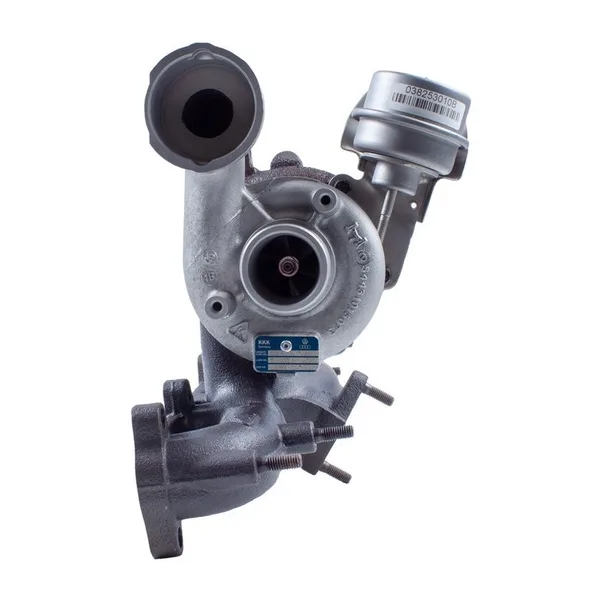
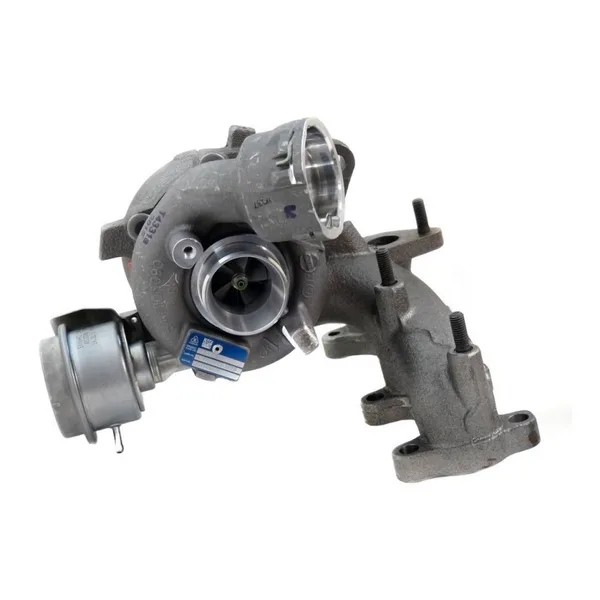
| Turbo BorgWarner - KKK 5439 988 0068 | Direct fit for VW Group 1.9 TDI engines | |
| Turbo BorgWarner - KKK 5439 988 0019 | Compatible with Audi and Skoda 1.9 TDI variants |
How to choose
Selecting the right turbo for a 1.9 TDI 105 HP engine requires attention to several key factors, from motorization compatibility to the condition of the core unit.
- Verify the vehicle’s motorization code and power output to ensure the turbo matches the exact specifications of your engine.
- Check the turbo’s CHRA condition, including the condition of the turbine wheel, compressor wheel, and bearings, for signs of wear or imbalance.
- Confirm the presence of a functional wastegate or variable geometry mechanism if your engine is equipped with one, as these components are critical for performance.
- Assess the packaging format—bulk cores are ideal for garages, while individual units may suit DIY enthusiasts or smaller workshops.
- Review the remanufacturing process details, including whether the unit has undergone pressure testing and seal replacement.
- Cross-reference the turbo’s OEM reference with your vehicle’s service manual to avoid compatibility errors.
- Consider the return policy for the used core, as many suppliers require a core deposit to ensure proper recycling of the old unit.
Storage & logistics
For garages and wholesalers, storing reconditioned turbos requires controlled conditions to prevent contamination or damage to the CHRA. Units should be kept in sealed, moisture-resistant packaging until installation, with temperature and humidity levels monitored to avoid condensation. Bulk cores are typically stored on shelves or in designated bins, separated by motorization to streamline picking and reduce errors. Regular inventory audits are essential to track rotation and ensure older stock is used first, maintaining the integrity of the remanufactured units.
With over a decade of sourcing turbos for European diesel engines, our team knows that a reconditioned turbo is only as good as the remanufacturing process behind it—every unit we handle is tested for pressure, vacuum, and rotational balance before leaving our warehouse.— autoKUR team
Related categories
Browse our other ranges:
Useful references
For regulatory and sector references, see Reglement (UE) 461/2010 — pieces de rechange et garantie constructeur.