

Available products
2 references
Frequently asked questions
About this category
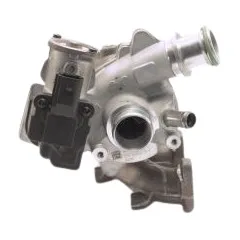
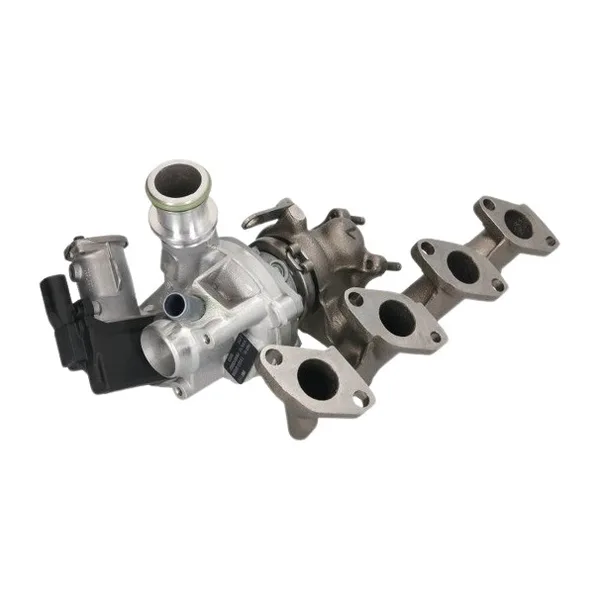
The 1.2 TSI 86 hp engine, widely used in compact and mid-sized vehicles, relies on a precisely engineered turbocharger to deliver optimal power and fuel efficiency. This category focuses exclusively on exchange-standard turbos designed for this motorization, offering a cost-effective alternative to brand-new units. Whether you are a mechanic sourcing parts for a client’s vehicle or an owner tackling repairs yourself, this selection provides the right components to restore performance without unnecessary expenses. The turbos listed here are not generic replacements but calibrated units built to meet the exacting standards of the 1.2 TSI platform.
Our range is curated to meet the diverse needs of professionals and private buyers by collaborating with trusted remanufacturers who specialize in Volkswagen Group engines. Each turbocharger undergoes a rigorous process to ensure it meets or exceeds OEM specifications, with a focus on durability and compatibility. The grossist model ensures competitive pricing and availability, while the exchange-standard system simplifies logistics by allowing customers to return their used cores for a deposit refund. This approach minimizes downtime for garages and reduces costs for individual motorists.
Professional uses by trade
Different users approach turbocharger replacement with distinct priorities, whether it is minimizing vehicle downtime, ensuring long-term reliability, or balancing cost and performance. Garages prioritize bulk availability and compatibility, while DIY enthusiasts seek clarity on installation and sourcing. German-speaking buyers, in particular, value precision in specifications and adherence to technical standards.
- Independent garage: Source turbos with documented compatibility to avoid misfitting and reduce diagnostic time during busy service schedules.
- DIY enthusiast: Purchase a pre-verified turbocharger to replace a failing unit without needing specialized tools or extensive mechanical knowledge.
- German mechanic: Rely on turbos that meet Volkswagen Group’s technical specifications for seamless integration into existing repair workflows.
- Passionate driver: Restore lost power and reduce smoke emissions by installing a remanufactured turbo that matches the original engine’s performance.
- Workshop manager: Benefit from bulk pricing and flexible core return policies to streamline inventory management and reduce overhead costs.
- Private motorist: Find a cost-effective solution for a turbo failure without compromising on quality or compatibility with their 1.2 TSI engine.
- German buyer: Access turbos designed for the 1.2 TSI platform with clear documentation to ensure compliance with local automotive standards.
- Austrian technician: Source turbos that align with Central European automotive regulations and workshop expectations for reliability.
Range comparison
This section compares the two available turbocharger models for the 1.2 TSI 86 hp, highlighting their key features and intended applications. Each unit is designed to address specific performance needs while maintaining compatibility with the engine’s original specifications.
| Range | Use | Format |
|---|---|---|
| SL Turbo 9V203 | direct replacement for high-mileage engines | |
| SL Turbo 9V202 | premium option for performance restoration |
How to choose
Selecting the right turbocharger involves evaluating several technical and practical factors to ensure optimal performance and longevity. Compatibility with the engine’s power output, the condition of the core, and the type of assembly are critical considerations for both professionals and private buyers.
- Verify the turbocharger’s compatibility with your vehicle’s exact motorization, including power output and model year, to avoid installation issues.
- Assess the condition of your existing turbo to determine whether a cartridge replacement or a full CHRA unit is the most cost-effective solution.
- Prioritize turbos with documented remanufacturing processes to ensure consistent performance and reduced risk of premature failure.
- Consider the packaging and handling requirements, especially for bulk orders, to prevent damage during transit and storage.
- Evaluate the return policy for used cores, as a flexible deposit system can significantly reduce upfront costs for garages and private buyers.
- Check for additional components included in the package, such as gaskets or actuators, to simplify the replacement process and avoid last-minute purchases.
- Review the warranty terms, which should outline coverage for defects while clarifying that installation and labor are the responsibility of a third party.
Storage & logistics
Proper storage of remanufactured turbos is essential to maintain their performance and prevent contamination before installation. Keep units in a dry, temperature-controlled environment away from direct sunlight and sources of vibration to preserve the integrity of seals and bearings. For bulk orders, use sturdy, labeled containers that protect against moisture and dust, and ensure they are stored on stable shelving to avoid physical damage. Garages should implement a first-in, first-out system to track inventory rotation and prevent units from exceeding their recommended shelf life. Always handle turbos with care, avoiding contact with magnetic surfaces or sharp objects that could compromise their precision components. Regularly inspect stored units for signs of corrosion or seal degradation, and document storage conditions to maintain traceability in case of quality issues.
With over a decade of experience in turbocharger remanufacturing, our team has seen firsthand how a well-sourced exchange-standard turbo can restore an engine’s performance without the premium cost of a brand-new unit. We focus on delivering products that meet the exacting standards of the 1.2 TSI platform, ensuring reliability for both workshops and private motorists.— autoKUR team
Related categories
Browse our other ranges:
Useful references
For regulatory and sector references, see Reglement (UE) 461/2010 — pieces de rechange et garantie constructeur.