


Frequently asked questions
About this category
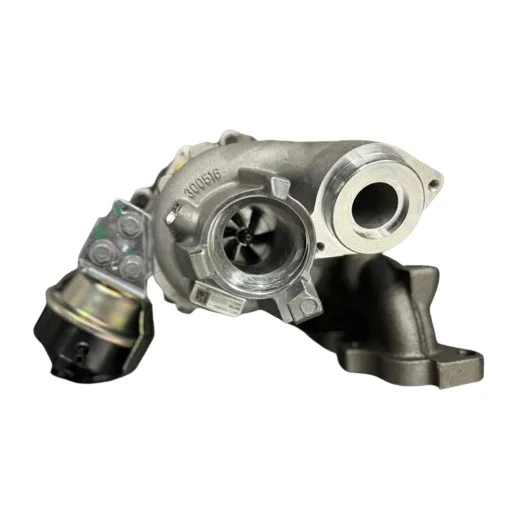
The 2.0 TDI 143 hp turbocharger category addresses a critical need in the automotive aftermarket by providing remanufactured exchange standard units tailored for this specific engine configuration. Whether you are a professional mechanic seeking a reliable replacement or an owner performing DIY repairs, this range ensures compatibility with Volkswagen, Audi, Skoda, and Seat models featuring the 2.0 TDI 143 hp powerplant. The turbos listed here are designed to restore lost power, reduce smoke emissions, and eliminate whining noises while maintaining the original performance characteristics of the engine.
This range is curated by a specialized wholesaler with deep expertise in turbocharger remanufacturing, sourcing components from reputable manufacturers to ensure reliability and longevity. The grossist model allows for competitive pricing without sacrificing quality, as each unit undergoes rigorous testing to confirm its fitment and functional integrity. By focusing on exchange standard turbos, the supply chain is optimized for both speed and cost-efficiency, making it an ideal solution for workshops and private buyers alike.
Professional uses by trade
Different user profiles rely on this category for distinct reasons, whether it is to minimize downtime in a professional setting or to execute a cost-effective repair independently. The versatility of these turbos makes them suitable for garages handling high volumes of repairs as well as enthusiasts working on personal projects.
- Independent garage: Replace a failing turbo on a 2012 Audi A4 2.0 TDI 143 hp with a remanufactured unit to restore engine performance and avoid costly new part expenses.
- DIY enthusiast: Source a compatible turbo for a 2010 Volkswagen Golf 2.0 TDI 143 hp to complete a repair project without professional intervention.
- German buyer (DACH): Purchase a remanufactured turbo for a Skoda Octavia 2.0 TDI 143 hp to address power loss and excessive smoke while benefiting from exchange standard convenience.
- Fleet manager: Maintain a stock of exchange standard turbos for multiple 2.0 TDI 143 hp vehicles to reduce repair costs and downtime across the fleet.
- Mechanic specializing in diesel engines: Use these turbos as a reliable backup for urgent repairs on 2.0 TDI 143 hp models, ensuring quick turnaround for customers.
- Passionate car owner: Restore a beloved 2013 Seat Leon 2.0 TDI 143 hp to optimal condition by installing a remanufactured turbo, avoiding the expense of an OEM replacement.
- Workshop owner: Stock these turbos to offer customers a cost-effective alternative to new units, enhancing service offerings while maintaining profit margins.
- Professional tuner: Source a high-quality remanufactured turbo for a modified 2.0 TDI 143 hp to balance performance gains with reliable operation.
Range comparison
The following turbos are specifically selected for the 2.0 TDI 143 hp category, each offering a balance of performance, compatibility, and exchange standard convenience. These units are presented to highlight their suitability for professional and private use alike.
| Range | Use | Format |
|---|---|---|
| SL Turbo 724930-5010S | direct replacement for VW/Audi/Skoda/Seat 2.0 TDI 143 hp | |
| Turbo MAHLE 030TC11003000 | high-performance remanufactured turbo for 2.0 TDI 143 hp |
How to choose
Selecting the right turbo for a 2.0 TDI 143 hp engine requires attention to several key factors that ensure long-term reliability and performance. Professionals and DIYers alike must evaluate these criteria to avoid mismatches or premature failures.
- Compatibility with the exact engine code and model year to ensure a precise fit and avoid installation issues or performance discrepancies.
- Condition of the turbo: opt for remanufactured units with a documented history of core refurbishment to deliver functional integrity.
- Core deposit options: choose turbos that offer a return scheme for the used unit to simplify logistics and reduce costs.
- Brand reputation: prioritize turbos from manufacturers with a track record in diesel engine components to ensure consistent quality.
- Packaging and handling: select units that arrive in protective packaging to prevent damage during transit and storage.
- Rotation and stock freshness: verify that the turbo has been recently remanufactured and stored under controlled conditions to maintain performance.
- Warranty terms: review the warranty provided by the supplier to understand coverage scope and duration for added peace of mind.
- Core condition requirements: ensure the used turbo meets the supplier’s acceptance criteria for core returns to avoid additional fees or delays.
Storage & logistics
For workshops and bulk buyers, proper storage of remanufactured turbos is essential to preserve their condition and performance until installation. These units should be kept in a climate-controlled environment, away from direct sunlight and moisture, to prevent corrosion or damage to internal components. Organizing stock by model and engine code ensures quick retrieval and minimizes the risk of mismatches during urgent repairs. Regular inventory checks help identify turbos nearing their shelf life, allowing for timely rotation and replacement. Using labeled storage bins or racks with clear identification prevents confusion and streamlines the picking process for mechanics. Additionally, handling turbos with care—avoiding drops or impacts—preserves the integrity of the CHRA and cartridge, which are critical to the turbo’s function. Suppliers often provide guidelines on storage conditions, and adhering to these recommendations extends the usable life of the turbos while maintaining their performance standards.
With over a decade of experience in turbocharger remanufacturing, our team has refined the process to deliver units that meet the demands of both professionals and DIYers. We focus on consistency and reliability, ensuring every 2.0 TDI 143 hp turbo leaves our facility in optimal condition for immediate installation.— autoKUR team
Related categories
Browse our other ranges:
Useful references
For regulatory and sector references, see Reglement (UE) 461/2010 — pieces de rechange et garantie constructeur.