

Available products
3 references


Frequently asked questions
About this category
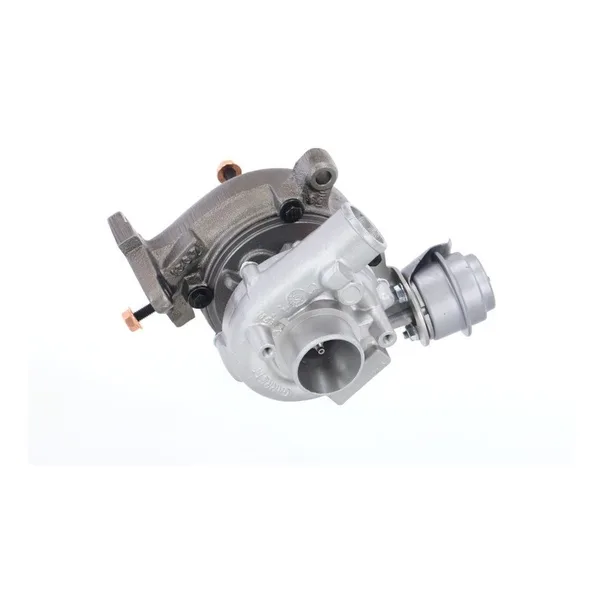
The VW Arosa turbo exchange standard category is designed for drivers and mechanics seeking high-quality, remanufactured turbochargers that restore engine efficiency without the expense of new OEM parts. This range includes turbos compatible with the 1.4 16V and 1.6 TDI engines, covering model years from 1997 to 2005. Whether you’re a professional mechanic balancing multiple repairs or an owner performing DIY maintenance, these turbos provide a cost-effective solution for power loss, excessive smoke, or unusual noises.
This range is curated by a wholesale supplier specializing in exchange standard automotive components, ensuring each turbo meets strict remanufacturing standards before distribution. The turbos are sourced from reputable manufacturers and undergo a process that includes core inspection, cleaning, and replacement of worn components to restore factory-like performance. This approach allows workshops to maintain high service levels while offering customers affordable alternatives to brand-new parts.
Professional uses by trade
Different users approach turbo replacement with distinct priorities, whether it’s speed of repair, cost efficiency, or technical precision. Independent garages prioritize bulk availability and quick turnaround, while DIY enthusiasts seek clear compatibility and straightforward installation. German buyers, in particular, value consistency in quality and adherence to OEM specifications.
- Independent mechanic: Replace a failing turbo on a 2003 VW Arosa 1.6 TDI with 90 PS to restore original power output and avoid engine damage.
- DIY owner: Source a remanufactured turbo for a 1999 VW Arosa 1.4 16V experiencing blue smoke and reduced acceleration without visiting a workshop.
- German workshop: Order a turbo in exchange standard for a customer’s Arosa with a 1.6 TDI engine, ensuring the part matches the exact motorization code for seamless installation.
- Passionate driver: Diagnose a whining noise from the turbo area and purchase a replacement unit to prevent further mechanical wear on a 2001 model.
- Professional technician: Stock turbos for the VW Arosa range to offer customers a quick solution for power loss or overboost issues during routine diagnostics.
- Retail buyer: Compare turbo options for a 1.4 16V engine and select an exchange standard unit to save costs while maintaining reliability.
- European buyer: Choose a remanufactured turbo that adheres to OEM specifications for a 2004 VW Arosa, ensuring long-term compatibility with the vehicle’s ECU.
Range comparison
The following turbos are selected for their compatibility with specific VW Arosa motorizations, covering 1.4 16V and 1.6 TDI engines across model years. Each reference is tested for performance and durability to meet the demands of both professional and private users.
| Range | Use | Format |
|---|---|---|
| SL Turbo 700960-5012S | 1.4 16V engines with power loss | |
| SL Turbo 701729-5010S | 1.6 TDI engines with smoke issues | |
| SL Turbo 733783-5008S | 1.6 TDI high-mileage vehicles |
How to choose
Selecting the right turbo for a VW Arosa requires attention to motorization codes, symptoms, and compatibility with existing components. Professionals should verify the engine type, power output, and year of manufacture to ensure a precise match.
- Verify the engine code (e.g., AXP for 1.4 16V or CAYC for 1.6 TDI) to confirm turbo compatibility with your Arosa’s motorization.
- Check for symptoms like blue smoke, loss of power, or unusual noises to identify whether the turbo is the root cause of the issue.
- Compare turbo references against OEM part numbers to ensure the exchange standard unit meets or exceeds original specifications.
- Assess the condition of the core (used turbo) to determine if it’s suitable for remanufacturing or if a new exchange standard unit is preferable.
- Prioritize turbos with a warranty or deliver of consistent quality to avoid repeated failures in high-demand workshops.
- Confirm the turbo’s compatibility with the vehicle’s ECU and boost control system to prevent misfires or error codes after installation.
- Evaluate the packaging and handling instructions to ensure the turbo arrives in optimal condition for immediate use in a professional setting.
Storage & logistics
For workshops and bulk buyers, proper storage of exchange standard turbos is essential to maintain their condition until installation. Keep units in a dry, temperature-controlled environment away from direct sunlight and contaminants like dust or oil residues. Store turbos in their original packaging or sealed containers to prevent moisture ingress, which can lead to corrosion of internal components. Label each unit with the motorization code and reference number for quick identification during busy repair schedules. Rotate stock regularly to ensure older units are used first, reducing the risk of performance degradation over time. For German buyers, adherence to DIN standards for storage and handling ensures compliance with local automotive industry practices.
Since 2026, our team has specialized in providing exchange standard turbos that meet the exacting standards of workshops and DIY enthusiasts alike. We focus on delivering products that restore performance without compromising reliability, leaving installation to the experts who know your vehicle best.— autoKUR team
Related categories
Browse our other ranges:
Useful references
For regulatory and sector references, see Reglement (UE) 461/2010 — pieces de rechange et garantie constructeur.