
Available products
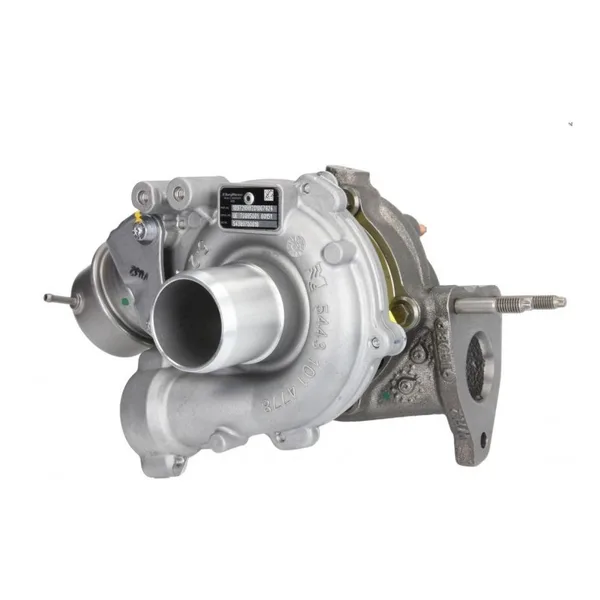
In stock
For the RENAULT Megane 3 Coupe in 1.6 DCi 130 hp (96 kW diesel), the autoKUR catalogue holds 1 exchange-standard reference(s). At equal displacement, two outputs do not call for the same part.
Engine specification: 1598 cm³, diesel, built from 04/2011 to 08/2015. Matching part number: 5438 988 0018 (SL Turbo). Compare with the code stamped on your part.
This is the only listed engine of the RENAULT Megane 3 Coupe. The code stamped on your part confirms the match: search by reference. 24-month warranty.
Frequently asked questions
About this category
The Renault 1.6 DCi 130 hp turbo exchange standard category addresses a common yet critical need: restoring lost power and efficiency in diesel engines plagued by turbocharger failure. Whether you are a professional mechanic diagnosing a vehicle in your workshop or an owner tackling repairs yourself, this range provides pre-verified turbos designed to match the exact specifications of your motorization. No guesswork, no unnecessary downtime—just a direct path to resolving performance issues linked to turbo wear or damage.
This range is built on a wholesale model that prioritizes compatibility and reliability, sourcing turbos from specialized remanufacturers who adhere to strict quality controls. The grossist role ensures that garages and private buyers alike have access to consistent stock levels, reducing lead times and eliminating the unpredictability of aftermarket alternatives. Each product is cross-referenced with OEM codes to deliver a perfect fit for the 1.6 DCi 130 hp platform.
Professional uses by trade
Different users approach turbo replacement with distinct priorities, whether it is minimizing workshop downtime, ensuring DIY feasibility, or securing cost-effective solutions for personal vehicles. The following breakdown highlights how each target audience can leverage this category to address their specific needs efficiently.
- Independent garage: Replace a failing turbo on a Renault Clio IV or Megane IV with minimal labor costs by sourcing an exchange standard unit that matches the original geometry and CHRA specifications.
- Stranded motorist: Diagnose turbo failure symptoms like excessive white smoke or loss of boost pressure, then order a compatible exchange standard turbo to get back on the road without costly dealership delays.
- DIY enthusiast: Perform a turbo swap on a Renault Kadjar or Captur by selecting an exchange standard unit with clear installation instructions and no hidden fees for core returns.
- German buyer (DACH): Source a remanufactured turbo for the Renault 1.6 DCi 130 hp with proper documentation in German, ensuring compliance with local workshop standards and return logistics.
- Fleet manager: Maintain a rotating stock of exchange standard turbos to reduce vehicle downtime across a fleet of Renault diesel models, leveraging bulk pricing and streamlined core deposit processes.
- Performance tuner: Upgrade or replace a worn turbo on a modified Renault 1.6 DCi 130 hp while ensuring the new unit meets the engine’s power demands without compromising reliability.
- Eco-conscious buyer: Opt for an exchange standard turbo to reduce waste, as remanufactured units extend the lifecycle of existing components while delivering near-OEM performance.
Range comparison
The following table compares the available exchange standard turbos for the Renault 1.6 DCi 130 hp, focusing on compatibility, core deposit policies, and packaging to help you make an informed choice.
| Range | Use | Format |
|---|---|---|
| SL Turbo 5438 988 0018 | DIY installation for Renault Kadjar |
How to choose
Selecting the right turbo for your Renault 1.6 DCi 130 hp requires attention to several key factors, from packaging and core deposit policies to long-term reliability and compatibility with your specific motorization.
- Verify the turbo’s compatibility with your vehicle’s exact motorization code to avoid mismatches that could lead to installation issues or performance problems.
- Check the core deposit policy to ensure a smooth return process for your old turbo, as this can significantly impact the overall cost of your exchange standard purchase.
- Prioritize turbos with documented remanufacturing processes, as these units undergo rigorous testing to restore consistent performance and longevity.
- Assess the packaging quality to prevent damage during transit, especially for DIY buyers who may handle the unit themselves before installation.
- Confirm the availability of technical documentation in your preferred language, whether French, English, or German, to simplify the installation process.
- Evaluate the supplier’s return logistics for defective units, as this ensures you can address any issues promptly without extended downtime.
- Consider bulk pricing options if you manage multiple vehicles, as wholesale models often provide better value for high-volume orders.
Storage & logistics
For garages and private buyers alike, proper storage of exchange standard turbos is essential to maintain their condition until installation. Keep units in a dry, temperature-controlled environment away from direct sunlight and contaminants like dust or oil residues. For bulk orders, use sturdy shelving and label each turbo with its motorization code to prevent mix-ups. Always inspect the packaging for damage upon arrival, and store cores in a designated area to streamline the return process. Avoid stacking heavy items on top of turbos, as this can deform the housing or damage internal components like the CHRA or wastegate.
With over a decade of experience in turbo remanufacturing, our team understands the urgency of restoring performance for the Renault 1.6 DCi 130 hp platform. We focus on delivering products that meet the highest standards of compatibility and reliability, ensuring your vehicle runs smoothly without unnecessary delays or costs.— autoKUR team
Related categories
Browse our other ranges:
Useful references
For regulatory and sector references, see Reglement (UE) 461/2010 — pieces de rechange et garantie constructeur.