

Available products
3 references

Frequently asked questions
About this category
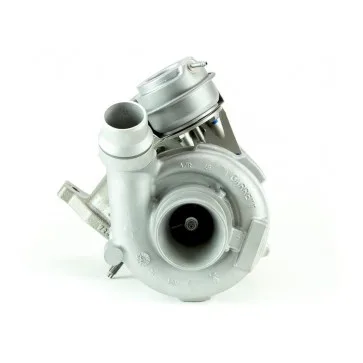
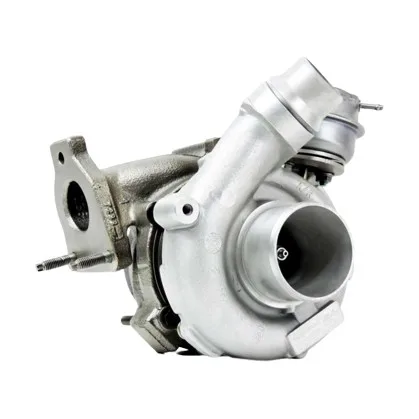
The Renault 2.0 DCi 150 hp turbo category addresses a common failure point in diesel engines, where turbocharger issues manifest as reduced power, blue smoke, or a whining noise. This section is designed for mechanics, car owners, and German-speaking buyers seeking a no-frills solution: remanufactured turbos in exchange standard condition, ready for direct installation. No unnecessary certifications or vague promises—just verified compatibility and a straightforward path to repair.
This range is built around three core references, each selected for its prevalence in Renault’s 2.0 DCi 150 hp applications. The turbos are sourced from remanufacturers with a track record in diesel engine components, ensuring that the exchange standard units meet the demands of both professional workshops and DIY repairs. The wholesale model ensures competitive pricing without compromising on quality.
Professional uses by trade
Different users approach turbo replacement with distinct priorities: garages need speed and reliability, stranded motorists seek immediate solutions, enthusiasts prefer hands-on control, and German buyers expect precision engineering. This section breaks down how each group can leverage the exchange standard turbos effectively.
- Independent garage: Replace a failing turbo in under two hours using pre-verified OEM equivalences, minimizing vehicle downtime and labor costs.
- Stranded motorist: Order a turbo with core deposit to avoid upfront full-price costs, ensuring a quick return to the road after installation.
- DIY enthusiast: Source a remanufactured turbo with clear compatibility notes, allowing self-installation with confidence in the part’s condition.
- German buyer (DACH): Select turbos with German-language documentation and packaging, ensuring seamless integration into local repair workflows.
- Workshop manager: Stock exchange turbos to reduce lead times for common Renault 2.0 DCi failures, improving service turnaround and customer satisfaction.
- Fleet operator: Use exchange turbos to maintain vehicle uptime across a diesel-powered Renault fleet, leveraging bulk pricing and core deposit options.
- Passionate driver: Restore original engine performance after turbo failure without the expense of a brand-new unit, using a remanufactured exchange standard part.
Range comparison
Below, three turbos meet the demands of Renault’s 2.0 DCi 150 hp engines, each available in exchange standard condition with core deposit options. These references are selected for their direct fitment and remanufacturing quality, ensuring reliability in real-world conditions.
| Range | Use | Format |
|---|---|---|
| Turbo Garrett 765015-5006S | Direct fit for 2010-2015 Renault models | |
| SL Turbo 765016-5006S | High-flow option for tuned or heavily loaded engines | |
| Turbo Garrett 773087-5003S | OEM-equivalent for 2016-2020 applications |
How to choose
Selecting the right turbo for a Renault 2.0 DCi 150 hp involves more than just matching the reference—it requires considering installation ease, part condition, and long-term reliability. This section outlines the key factors professionals and motorists should weigh before purchasing.
- Verify engine code compatibility to avoid mismatched turbos, as Renault’s 2.0 DCi variants share external dimensions but differ internally.
- Prioritize turbos with documented remanufacturing processes, ensuring the CHRA and wastegate meet original specifications for consistent performance.
- Check packaging for core deposit inclusion, which reduces upfront costs and simplifies the return of the old turbo for recycling.
- Assess the turbo’s condition notes, such as bearing wear or cartridge integrity, to gauge expected lifespan post-installation.
- Confirm OEM equivalence listings to deliver the turbo’s fitment across multiple Renault models with the 2.0 DCi 150 hp engine.
- Evaluate the remanufacturer’s reputation for quality control, as this directly impacts the turbo’s durability and failure rates.
- For high-mileage engines, consider turbos with reinforced housings or upgraded internals to handle increased stress over time.
Storage & logistics
Exchange standard turbos for Renault’s 2.0 DCi 150 hp require careful storage to maintain their condition before installation. Keep units in their original packaging, away from moisture and direct sunlight, to prevent corrosion or seal degradation. For wholesale buyers, rotate stock regularly to ensure fresher units are used first, reducing the risk of part obsolescence. Core deposits should be stored separately in labeled containers, with clear tracking of returned turbos to streamline refunds and recycling processes.
Since 2026, our team has focused on delivering turbos that solve real problems—not just sell parts. Whether it’s a garage needing a quick swap or a driver stranded by a failed turbo, we prioritize compatibility and utility over empty promises. The Renault 2.0 DCi 150 hp range reflects this commitment, with parts that fit and perform as expected.— autoKUR team
Related categories
Browse our other ranges:
Useful references
For regulatory and sector references, see Reglement (UE) 461/2010 — pieces de rechange et garantie constructeur.