

Frequently asked questions
About this category
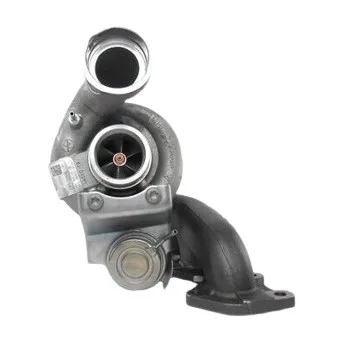
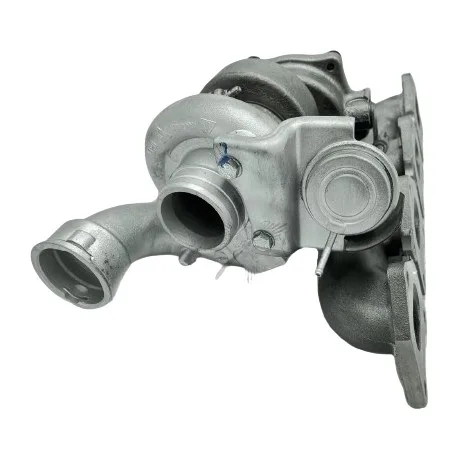
The 4.8 Turbo 500 hp category addresses the needs of Mitsubishi owners and mechanics dealing with high-performance turbocharged engines. This range includes exchange-standard turbos designed for engines where power output exceeds 400 horsepower, ensuring compatibility with models requiring robust boost systems. Whether you're troubleshooting a loss of power, excessive smoke, or a whining turbo, these turbos are engineered to restore performance without the cost of a new OEM unit.
This range is curated for professionals and enthusiasts who prioritize reliability and performance in turbocharged applications. The turbos listed here are sourced from remanufacturers specializing in high-output engines, ensuring each unit undergoes rigorous testing for variable geometry, CHRA integrity, and durability. The focus is on exchange-standard turbos that deliver consistent performance, making them ideal for Mitsubishi engines where power delivery is critical.
Professional uses by trade
Different users approach turbo replacement with distinct priorities. Independent garages focus on turnaround time and compatibility, while DIY enthusiasts seek cost-effective solutions. German buyers prioritize precision and long-term reliability in high-performance applications.
- Le garagiste indépendant : Replace a failing turbo on a Mitsubishi engine with a high-flow exchange-standard unit to restore power without compromising drivability or fuel efficiency.
- L'automobiliste dépanné : Identify symptoms like excessive smoke or power loss, then source a compatible turbo to avoid costly downtime or further engine damage.
- Le passionné qui fait lui-même : Install an exchange-standard turbo in a high-performance Mitsubishi setup, ensuring proper fitment and performance gains without professional labor costs.
- Der deutsche Käufer (DACH) : Select a turbo with precise variable geometry calibration for German-market Mitsubishi engines, ensuring compliance with local emissions and performance standards.
- Le garagiste indépendant : Use exchange-standard turbos to reduce inventory costs while maintaining access to high-performance replacements for customer vehicles.
- L'automobiliste dépanné : Avoid the expense of a new OEM turbo by opting for a remanufactured exchange-standard unit with proven durability in high-output applications.
- Der deutsche Käufer (DACH) : Source turbos that meet the strict performance and emissions requirements of German automotive markets, ensuring long-term reliability.
Range comparison
The turbos in this range are selected for their compatibility with Mitsubishi engines producing over 400 horsepower. Each unit is designed to handle high boost levels while maintaining variable geometry precision and CHRA durability.
| Range | Use | Format |
|---|---|---|
| Turbo Mitsubishi 49389-01310 | high-flow replacement for 4.8L engines | |
| Turbo Mitsubishi 49389-01401 | performance-oriented turbo for tuned applications |
How to choose
Selecting the right turbo for a high-performance Mitsubishi engine requires attention to compatibility, condition, and intended use. Professionals and enthusiasts must evaluate each unit's specifications to ensure it meets the engine's power and durability demands.
- Prioritize turbos with variable geometry calibration matching the engine's power band to avoid boost inconsistencies or premature wear.
- Inspect the CHRA condition and bearing integrity to ensure long-term reliability in high-load scenarios like track use or heavy towing.
- Verify compatibility with the engine's ECU and boost control system to prevent drivability issues or check engine lights after installation.
- Choose exchange-standard turbos with a core deposit policy to reduce upfront costs while ensuring proper recycling of the old unit.
- Opt for turbos from remanufacturers with a track record in high-performance applications to deliver consistent quality and performance.
- Evaluate the turbo's packaging and handling instructions to prevent damage during shipping or installation in a professional workshop.
- Consider the turbo's warranty terms and return policy to protect against defects or mismatched fitment in critical applications.
Storage & logistics
For workshops and distributors, proper storage of exchange-standard turbos is essential to maintain their condition and performance. Keep turbos in a climate-controlled environment to prevent moisture damage or corrosion, especially in regions with high humidity. Store units in their original packaging or protective covers to shield them from dust and debris, which can compromise variable geometry or bearing surfaces. Label each turbo with its reference number and compatibility details to streamline inventory management and reduce the risk of misplacement. Rotate stock regularly to ensure older units are used first, preventing obsolescence or performance degradation over time. Train staff on handling procedures to avoid dropping or mishandling turbos, which can damage internal components like the CHRA or wastegate.
With over a decade of sourcing turbos for high-performance Mitsubishi engines, our team understands the critical role these components play in maintaining power and reliability. We prioritize turbos that meet the demands of tuned and stock applications alike, ensuring each unit delivers consistent performance without compromising durability.— autoKUR team
Related categories
Browse our other ranges:
Useful references
For regulatory and sector references, see Reglement (UE) 461/2010 — pieces de rechange et garantie constructeur.