

Available products
3 references

Frequently asked questions
About this category
The 2.0 HDi 90 hp turbo exchange standard category targets owners of diesel-powered vehicles, particularly those experiencing power loss, excessive smoke, or unusual noises from the engine bay. This segment includes remanufactured turbos designed to restore original performance levels while offering a sustainable alternative to new OEM parts. Compatibility spans multiple vehicle models, ensuring broad applicability for both private owners and professional mechanics.
This range is built on a wholesale model, sourcing turbos from certified remanufacturers and distributing them through a network of independent garages and resellers. The role of the wholesaler is to bridge the gap between high-volume production and localized demand, ensuring timely delivery and competitive pricing without sacrificing quality.
Professional uses by trade
Different user profiles approach the 2.0 HDi 90 hp turbo exchange standard category with distinct priorities. Professionals seek reliability and bulk availability, while DIY enthusiasts focus on ease of installation and cost efficiency. German buyers, in particular, value technical precision and adherence to remanufacturing standards.
- Independent garage: Replace worn turbos with exchange-standard units to minimize vehicle downtime and maintain customer trust.
- DIY enthusiast: Source a compatible turbo for a weekend project, ensuring the part matches the vehicle’s engine code and power output.
- German buyer (DACH): Prioritize turbos with documented remanufacturing processes to comply with local workshop regulations.
- Fleet manager: Order bulk turbos for a fleet of HDi vehicles, ensuring consistent performance across all units.
- Classic car restorer: Find a turbo that fits a rare 2.0 HDi model, avoiding the cost of a new OEM part.
- Trucking workshop: Stock exchange-standard turbos for commercial diesel engines, reducing lead times for repairs.
- Passionate driver: Diagnose turbo failure symptoms like loss of power or excessive smoke, then source a replacement part.
Range comparison
The following turbos are selected for their proven compatibility with the 2.0 HDi 90 hp engine across multiple vehicle models. Each option is presented with its core specifications and intended use cases to simplify the selection process.
| Range | Use | Format |
|---|---|---|
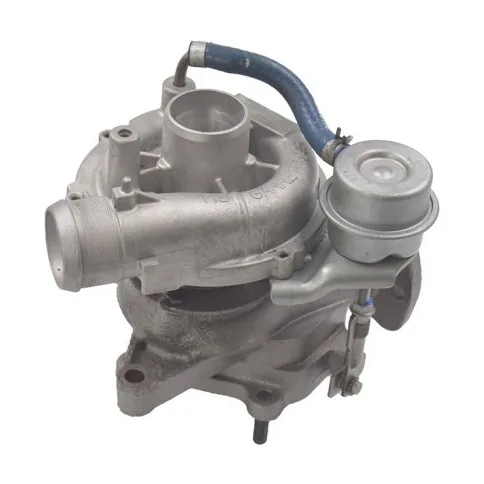
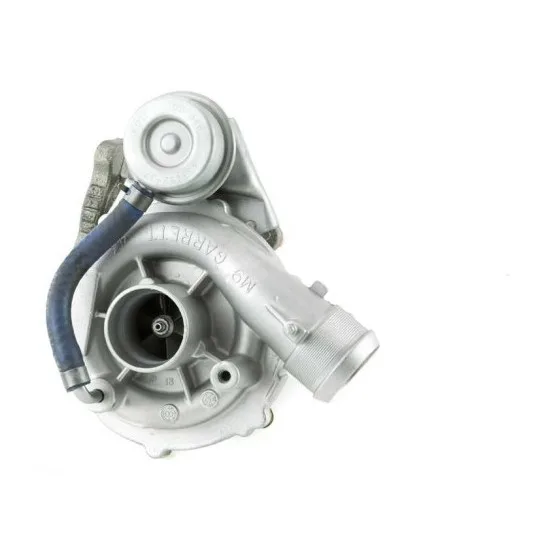
| SL Turbo 706977-0003 | Direct fit for PSA HDi engines | |
| Turbo Garrett 706976-5002S | High-flow alternative for performance tuning | |
| SL Turbo 5303 970 0009 | Budget-friendly option for high-mileage vehicles |
How to choose
Selecting the right turbo for a 2.0 HDi 90 hp engine requires attention to several key factors. Compatibility with the vehicle’s engine code and model year is paramount, followed by the remanufacturing quality and the availability of a core deposit system.
- Verify the engine code and model year to ensure the turbo matches the vehicle’s specifications without modifications.
- Check the remanufacturing process: look for units labeled as 'generalüberholt' or 'remanufactured' to confirm quality standards.
- Assess the core deposit system: some turbos require returning the old unit, which may impact cost and logistics.
- Evaluate the packaging: bulk shipments should include protective materials to prevent damage during transit.
- Consider the brand reputation: SL Turbo and Garrett are known for consistent quality in remanufactured turbos.
- Review the warranty terms: even exchange-standard parts should include a deliver against manufacturing defects.
- Confirm the return policy for defective units: ensure the supplier offers a straightforward process for replacements.
Storage & logistics
For B2B buyers, proper storage of exchange-standard turbos is critical to maintaining performance and longevity. Store units in a dry, temperature-controlled environment away from direct sunlight to prevent seal degradation. Avoid stacking heavy items on top of packaging to prevent deformation. Rotate stock regularly to ensure older units are used first, reducing the risk of obsolescence. Label each batch with the purchase date and engine compatibility for easy traceability. In high-volume workshops, designate a dedicated storage area for turbos to streamline inventory management and minimize handling errors.
With over a decade in the remanufactured turbo industry, our team has seen firsthand how a well-chosen exchange-standard unit can restore a 2.0 HDi engine’s performance without breaking the bank. We’ve built this range to reflect the needs of real mechanics and drivers, not just theoretical specifications.— autoKUR team
Related categories
Browse our other ranges:
Useful references
For regulatory and sector references, see Reglement (UE) 461/2010 — pieces de rechange et garantie constructeur.