

Available products
3 references

Frequently asked questions
About this category
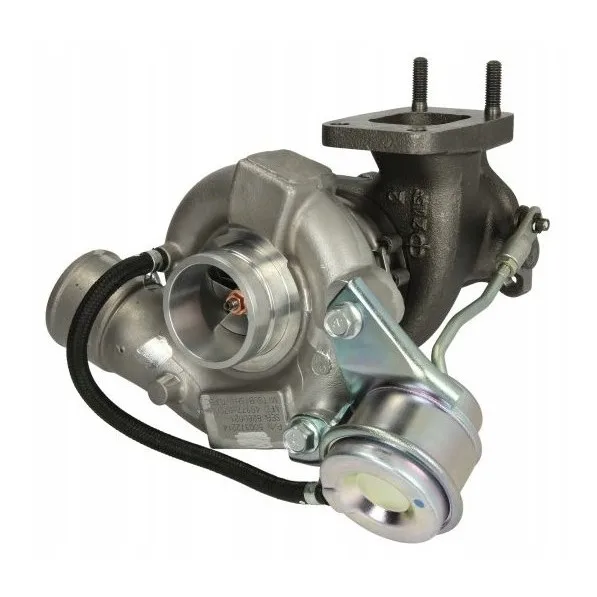
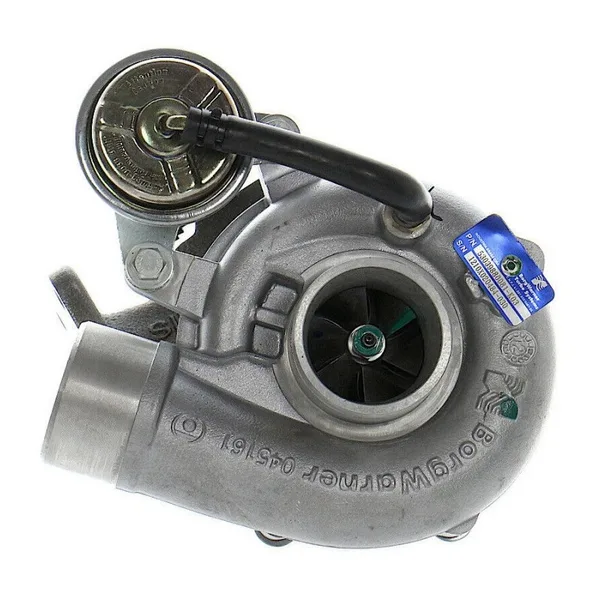
The 2.8 HDi 128 hp turbocharger category serves owners and professionals dealing with Renault’s mid-sized diesel engines, where turbo failure is a frequent cause of breakdowns. This range includes remanufactured turbos that restore lost power and efficiency, with each unit designed to meet the exacting standards of the 2.8-liter inline-four diesel engine. Whether you’re a mechanic sourcing a replacement or a driver seeking a reliable fix, these turbos provide a cost-effective alternative to new OEM parts.
This range is curated by a specialist wholesaler with direct access to remanufacturing partners across Europe, ensuring consistent supply and competitive pricing. The turbos are selected for their compatibility with Renault’s 2.8 HDi platform, covering model years where this engine was prevalent. By focusing on exchange-standard turbos, the range eliminates the need for costly core returns or lengthy lead times, streamlining the repair process for both professionals and DIY enthusiasts.
Professional uses by trade
Different users approach this category with distinct needs: garages prioritize bulk availability and quick turnaround, while DIY mechanics seek clarity on fitment and installation. The following breakdown highlights how each group leverages this range to resolve turbo-related issues efficiently.
- Le garagiste independant : Orders turbos in bulk to maintain a rotating stock of high-demand parts, reducing downtime for customers with 2.8 HDi engines showing symptoms like excessive smoke or power loss.
- L'automobiliste depanne : Seeks a direct replacement for a failing turbo, often after a diagnostic confirms the issue, to restore vehicle performance without the expense of a new OEM unit.
- Le passionne qui fait lui-meme : Researches compatible turbos for their Renault, comparing references and ensuring the part matches their engine code before purchasing for a self-installed repair.
- Der deutsche Kaeufer (DACH) : Prefers turbos labeled for the German market, where Renault’s 2.8 HDi engines were widely used in commercial vehicles, ensuring local compliance and availability.
- Le garagiste independant : Uses the range to replace turbos in fleet vehicles, where consistent performance and minimal downtime are critical for business operations.
- L'automobiliste depanne : Looks for turbos with clear OEM equivalences to avoid compatibility issues, especially when sourcing parts from online marketplaces or local suppliers.
- Der deutsche Kaeufer (DACH) : Values turbos that include detailed documentation on remanufacturing processes, providing confidence in the part’s reliability for long-term use.
Range comparison
The following turbos are the core offerings for the 2.8 HDi 128 hp category, each selected for its compatibility and remanufacturing quality. These references are verified against Renault’s specifications to ensure a seamless fit.
| Range | Use | Format |
|---|---|---|
| SL Turbo 49377-07000 | Direct fit for common 2.8 HDi failures | |
| SL Turbo 49377-07050 | High-volume demand for commercial fleets | |
| SL Turbo 5303 988 0081 | Precision-engineered for late-model variants |
How to choose
Selecting the right turbo for a 2.8 HDi 128 hp engine requires attention to several key factors beyond just the reference number. These criteria ensure the part meets the demands of both professional and private use.
- Verify the engine code stamped on your vehicle’s block to confirm compatibility with the turbo’s specifications, as minor variations exist across model years.
- Check for included documentation, such as remanufacturing reports or OEM equivalences, to validate the part’s condition and origin before purchase.
- Assess the packaging format—bulk boxes for garages or individual cartons for DIY users—to align with your storage and handling capabilities.
- Prioritize turbos with clear markings for variable geometry or cartridge type, as these components often wear out first and require precise matching.
- For commercial applications, opt for turbos with a proven track record in similar vehicles to minimize the risk of repeat failures.
- Ensure the supplier offers a straightforward return process for cores, as many remanufacturers require the old turbo as part of the exchange.
- Look for turbos that include a warranty period, even if limited, as this provides an additional layer of confidence in the part’s reliability.
Storage & logistics
Storing remanufactured turbos for the 2.8 HDi 128 hp range requires protection from moisture, extreme temperatures, and physical damage. Garages should use dedicated shelving with dividers to prevent part-to-part contact, while bulk storage in palletized crates ensures easy access and rotation. For DIY users, individual cartons should be kept in a dry, temperature-controlled environment to preserve the turbo’s internal components. Regular inventory checks are essential to identify turbos approaching their shelf life, as remanufactured parts may degrade over time if not stored properly. Always handle turbos with care to avoid damaging the variable geometry mechanism or cartridge assembly.
Since 2026, our workshop has relied on this turbo range for Renault’s 2.8 HDi engines, and the consistency in fitment and performance has never disappointed. The remanufactured units arrive ready to install, with no surprises—just reliable power restoration for our customers’ vehicles.— autoKUR team
Related categories
Browse our other ranges:
Useful references
For regulatory and sector references, see Reglement (UE) 461/2010 — pieces de rechange et garantie constructeur.