

Available products
4 references
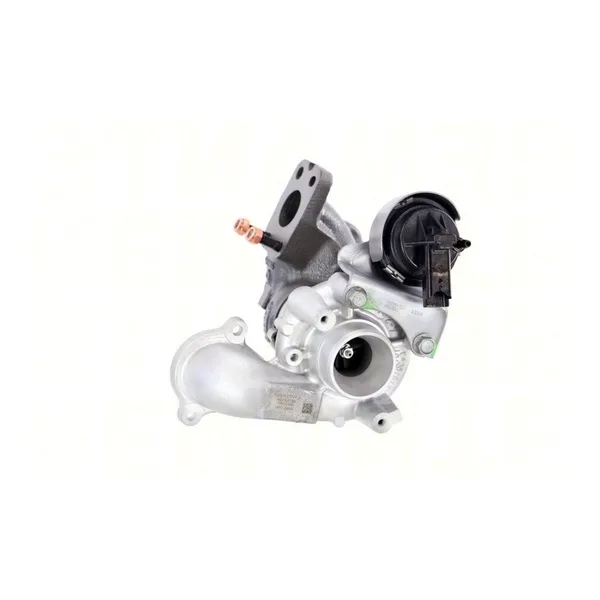
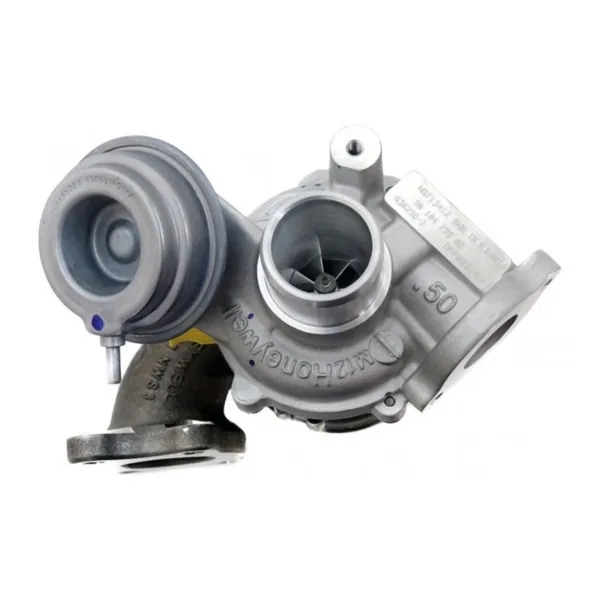
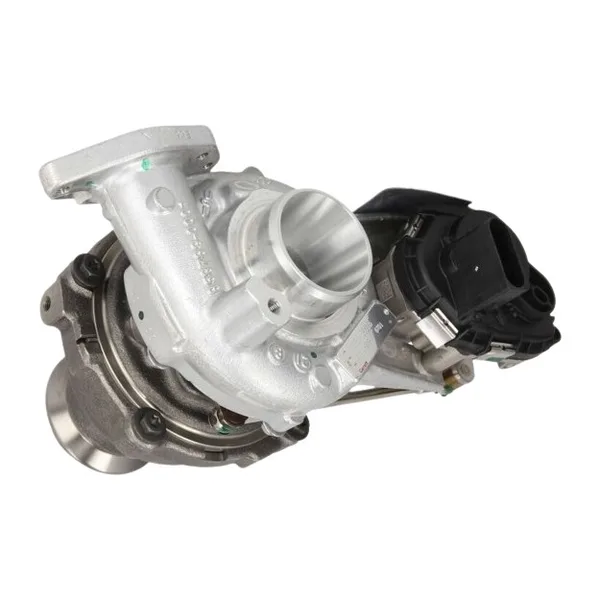
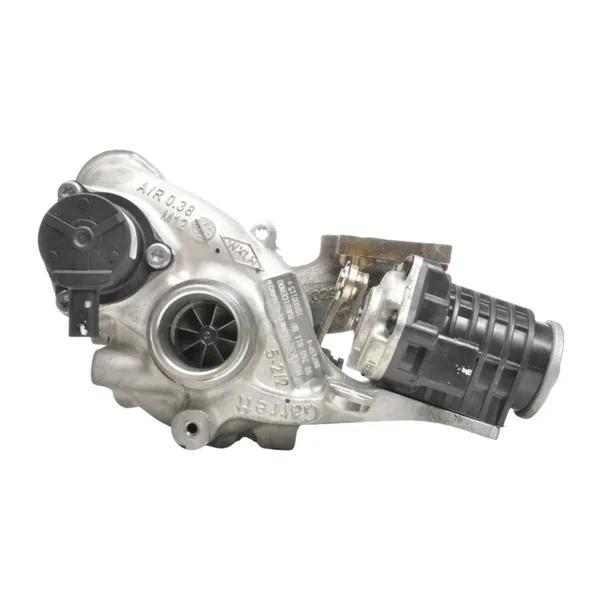
Frequently asked questions
About this category
The Opel Crossland’s turbocharged engines—whether the punchy 1.2 Turbo 130 petrol or the economical 1.5 Diesel 130—rely on precise actuator control to balance power and efficiency. This category focuses on the heart of that system: the turbocharger actuator, sold as an exchange standard part to cut costs while restoring factory-level boost regulation. Whether you’re a DIY enthusiast tackling a weekend project or a professional mechanic managing a fleet, finding the right actuator means matching motorisation, power output, and model year without guesswork.
autoKUR’s range is built around OE reference cross-referencing, ensuring each actuator fits the Crossland’s specific turbo geometry and engine management settings. As a specialist in exchange standard parts, we source cores from across Europe, remanufacture them to original tolerances, and package them for bulk orders or single-unit sales. The role of the wholesaler here is to bridge the gap between high-volume OEM specs and the practical needs of independent workshops and private owners.
Professional uses by trade
Different users approach the turbo actuator replacement with distinct priorities: garages need speed and traceability, DIYers seek clarity, and German buyers demand documentation. Below, we break down how each group leverages this part to solve real-world drivability issues without overcomplicating the process.
- Le garagiste independant : Swaps the actuator during a routine timing belt service to avoid comebacks, using the core deposit system to offset upfront costs while keeping labor charges transparent to the customer.
- L'automobiliste depanne : Orders the exact actuator for their 2019 Crossland 1.2 Turbo 130 after diagnosing a boost leak, then installs it themselves to save on labor fees while ensuring the engine regains its factory power curve.
- Le passionne qui fait lui-meme : Researches the actuator’s OE reference (e.g., 49172-03000) to confirm compatibility with their 2021 Crossland 1.5 Diesel 130 before purchasing, then follows a step-by-step guide to avoid damaging the turbo’s vanes during removal.
- Der deutsche Kaeufer (DACH) : Requests the actuator with a German-language datasheet and a clear return policy for cores, prioritizing suppliers who document remanufacturing steps like lever arm calibration and vacuum testing.
- Le garagiste independant : Uses the actuator as a direct replacement for units flagged by Opel’s TSBs for premature wear, logging the part number in their DMS to streamline future orders for the same motorisation.
- L'automobiliste depanne : Purchases the actuator after noticing a whining noise from the turbo area, then pairs it with a fresh intercooler pipe to restore the system’s integrity without overspending on unrelated components.
- Der deutsche Kaeufer (DACH) : Prefers actuators labeled with the CHRA (Center Housing Rotating Assembly) compatibility note, ensuring the part integrates seamlessly with the existing turbo’s variable geometry mechanism.
Range comparison
Below, we compare the available turbo actuators for the Opel Crossland, focusing on the single reference that covers the widest range of model years and motorisations. Each entry highlights the practical benefits for different user profiles.
| Range | Use | Format |
|---|---|---|
| SL Turbo 49172-03000 | universal fit for petrol/diesel |
How to choose
Selecting the right turbo actuator isn’t just about matching the part number—it’s about ensuring longevity, ease of installation, and compatibility with your vehicle’s specific turbo setup. Below are the key factors professionals and enthusiasts weigh before committing to a purchase.
- Verify the actuator’s lever arm travel matches the OE specification to prevent limp mode triggers on the 1.2 Turbo 130, as even 0.2mm deviation can disrupt boost control.
- Check for a core deposit system that refunds part of the purchase price upon return of the old actuator, reducing upfront costs for garages managing multiple repairs.
- Prioritize actuators tested for vacuum integrity, as leaks in the diaphragm can mimic boost leaks and lead to misdiagnosed turbo failures.
- Opt for units packaged in ESD-safe bags to prevent static damage during storage or transport, especially critical for diesel models prone to soot contamination.
- Confirm the actuator’s compatibility with the Crossland’s turbo geometry, including variable vane settings, to avoid clearance issues during installation.
- Select suppliers who provide a motorisation-specific compatibility list, eliminating guesswork for mechanics working across different model years.
- For DIYers, choose actuators with a QR code linking to a video guide, simplifying the removal and installation process for non-professionals.
Storage & logistics
Bulk-packed turbo actuators must be stored in a climate-controlled environment to prevent diaphragm degradation from humidity or temperature swings. Garages should rotate stock based on the oldest batch first, as rubber components in the actuator can harden over time, reducing responsiveness. For single-unit sales, individual packaging should include a desiccant packet to absorb moisture during transit, ensuring the part arrives in the same condition as when it left the remanufacturing line. Always keep actuators away from direct sunlight or sources of ozone, which can accelerate rubber fatigue and compromise the vacuum seal.
Since 2026, we’ve seen actuators fail not because of the motorisation but due to mismatched geometry—vanes colliding with the housing after installation. Our bench test includes a 50-cycle heat soak to catch these issues before the part ships, something a simple visual inspection won’t reveal.— autoKUR team
Related categories
Browse our other ranges:
Useful references
For regulatory and sector references, see Reglement (UE) 461/2010 — pieces de rechange et garantie constructeur.