

Available products
3 references


Frequently asked questions
About this category
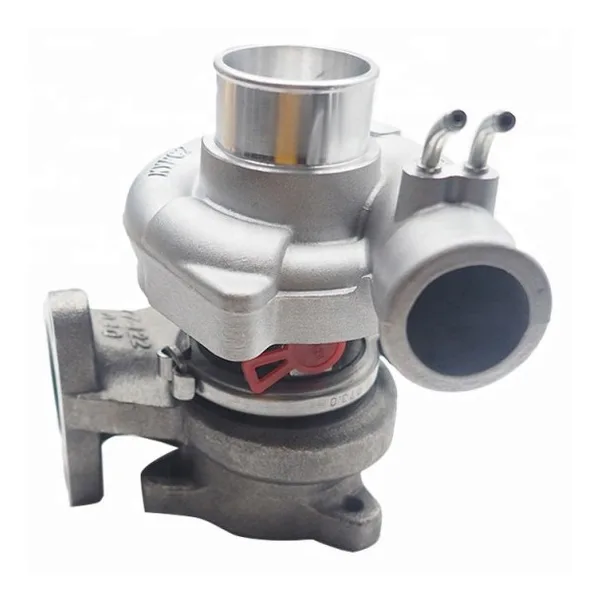
The 2.5 TD 99 hp turbocharger category is designed for vehicles equipped with diesel engines producing approximately 99 horsepower, a segment commonly found in light commercial vehicles and older passenger cars. This range includes exchange standard turbos that have been professionally remanufactured to restore their original performance levels, offering a cost-effective alternative to new units. Whether you are a mechanic sourcing parts for a fleet or an owner tackling a repair project, this category provides the right components to address turbo-related issues.
Each turbo in this category is selected based on its compatibility with specific motorizations, including vehicle make, model, engine code, and power output. The range is built in collaboration with wholesale suppliers who specialize in remanufactured automotive parts, ensuring that every unit meets industry standards for durability and performance. This approach allows garages and individuals to access high-quality turbos without the premium price of OEM replacements.
Professional uses by trade
Different users approach the 2.5 TD 99 hp turbocharger category with distinct needs, whether for professional repairs, emergency fixes, or DIY maintenance. Garages prioritize bulk availability and compatibility, while DIY enthusiasts seek ease of installation and reliability. German buyers, in particular, value precision in motorization matching and clear documentation.
- Le garagiste independant : Replace a failing turbo on a Renault Trafic 2.5 dCi 99 hp with a remanufactured unit to avoid costly downtime for fleet vehicles.
- L'automobiliste depanne : Order an exchange standard turbo for a Peugeot Boxer 2.5 HDi 99 hp when the original unit starts whistling or loses boost pressure.
- Le passionne qui fait lui-meme : Source a compatible turbo for a Ford Transit 2.5 TDCi 99 hp to complete a weekend repair project without professional intervention.
- Der deutsche Kaeufer (DACH) : Purchase a remanufactured turbo for a Mercedes Sprinter 2.5 CDI 99 hp, ensuring it matches the exact motorization code and power output.
- Le garagiste independant : Use the turbo exchange standard range to fulfill warranty claims for customers whose vehicles experience turbo failure under warranty.
- L'automobiliste depanne : Find a replacement turbo for a Citroen Jumper 2.5 HDi 99 hp when the vehicle enters limp mode due to turbo malfunction.
- Der deutsche Kaeufer (DACH) : Source a turbo for a Volkswagen LT 2.8 TDI 99 hp, verifying compatibility with the engine’s reference code before ordering.
Range comparison
The following table compares the available turbochargers in the 2.5 TD 99 hp exchange standard category, highlighting their compatibility, use cases, and packaging formats to help you select the right unit for your needs.
| Range | Use | Format |
|---|---|---|
| Turbo Mitsubishi 49135-02110 | fits Mitsubishi engines |
How to choose
Selecting the right turbo for a 2.5 TD 99 hp engine requires attention to several key factors, including motorization compatibility, condition of the core unit, and packaging for logistics. Garages should also consider the supplier’s return policy for core deposits and the availability of technical documentation.
- Verify the engine code and power output to ensure the turbo matches the vehicle’s motorization exactly, avoiding mismatches that lead to poor performance.
- Check the condition of the core unit—whether it is general overhauled or factory remanufactured—to assess its expected lifespan and reliability in service.
- Confirm the packaging format, as bulk orders for garages may differ from individual units for DIY enthusiasts in terms of labeling and handling.
- Review the supplier’s core deposit policy to understand return procedures for the old turbo, which often affects the final cost of the exchange.
- Prioritize turbos with clear documentation, including OEM reference numbers and compatibility lists, to streamline the ordering process.
- Assess the supplier’s stock rotation to ensure timely delivery, especially for urgent repairs where delays can impact workshop schedules.
- Evaluate the supplier’s track record in remanufacturing turbos for the 2.5 TD 99 hp category, focusing on consistency in quality and performance.
Storage & logistics
For garages and workshops, storing exchange standard turbos requires a controlled environment to prevent contamination or damage to the CHRA (Center Housing Rotating Assembly). Units should be kept in their original packaging until installation, with desiccant packs to absorb moisture and avoid corrosion. Rotate stock regularly to ensure older units are used first, maintaining freshness and reliability. For DIY enthusiasts, storing a spare turbo in a clean, dry space away from direct sunlight prevents premature wear and ensures it remains ready for installation when needed.
With over a decade in the remanufactured turbo business, our team has seen how a single mismatched unit can derail a repair job—so we built this category to eliminate guesswork and deliver turbos that fit the first time, every time.— autoKUR team
Related categories
Browse our other ranges:
Useful references
For regulatory and sector references, see Reglement (UE) 461/2010 — pieces de rechange et garantie constructeur.