


Frequently asked questions
About this category
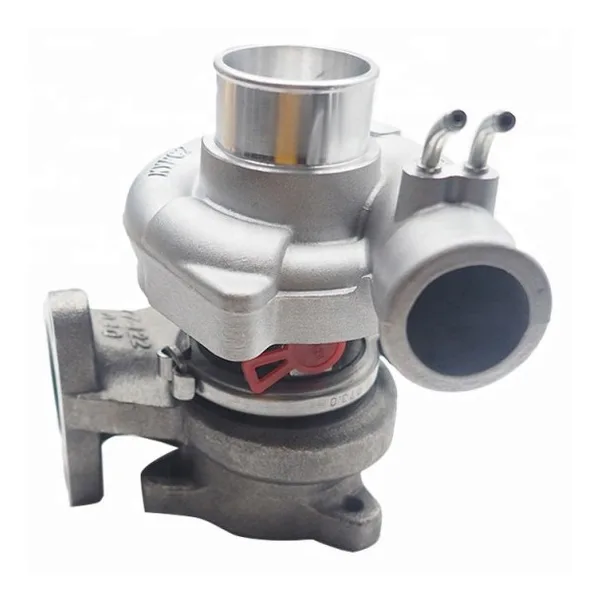
The 2.5 TD 95 HP diesel turbocharger category addresses a critical need in the aftermarket: reliable, remanufactured units that restore engine performance without the cost of new OEM parts. This range serves independent garages, DIY enthusiasts, and breakdown specialists who prioritize compatibility and durability over generic alternatives. Each turbo in this category is engineered for engines found in light commercial vehicles and SUVs from the late 1990s to mid-2000s.
As a wholesale supplier, we aggregate turbos from multiple remanufacturers to offer a curated selection that balances price, availability, and technical precision. The grossist role ensures mechanics access the right turbo for their specific motorization without navigating fragmented supplier networks or uncertain lead times.
Professional uses by trade
Different professionals approach turbo selection with distinct priorities: garages focus on turnaround speed, DIYers seek ease of installation, and breakdown specialists need immediate availability. Below, we outline how each group leverages this category to resolve engine performance issues efficiently.
- Le garagiste independant : Replaces a failing turbo on a Renault Trafic 2.5 dCi 95 to avoid prolonged vehicle downtime during busy repair schedules.
- L'automobiliste depanne : Orders a turbo for a Peugeot Boxer 2.5 HDi 95 after diagnosing a loss of boost pressure during a roadside breakdown.
- Le passionne qui fait lui-meme : Sources a remanufactured turbo for a Ford Transit 2.5 TD to restore power without relying on a workshop visit.
- Der deutsche Kaeufer (DACH) : Selects a turbo compatible with a Mercedes Sprinter 2.5 CDI 95 to ensure compliance with local repair standards and warranty expectations.
- Le garagiste independant : Uses bulk-packaged turbos to streamline inventory management and reduce per-unit costs for frequent replacements.
- L'automobiliste depanne : Prioritizes turbos with clear OEM reference matching to simplify installation and avoid compatibility errors.
- Der deutsche Kaeufer (DACH) : Prefers turbos labeled for European emissions compliance to meet regional regulatory requirements during repairs.
Range comparison
Below, we compare the two core turbos in this category, highlighting their technical alignment with 2.5 TD 95 HP engines and practical advantages for professional use.
| Range | Use | Format |
|---|---|---|
| SL Turbo 49177-01500 | fits Renault and Nissan 2.5 dCi engines | |
| Turbo Mitsubishi 49177-01503 | designed for Mitsubishi 4D56 engines |
How to choose
Selecting the right turbo for a 2.5 TD 95 HP engine requires evaluating several factors beyond basic fitment. Professionals must consider long-term reliability, ease of sourcing, and alignment with their workshop’s repair protocols.
- Conditioning: Opt for turbos with a remanufactured core to ensure consistent performance and extended service life compared to used units.
- Conservation: Prefer turbos stored in climate-controlled environments to prevent moisture damage and corrosion during transit or storage.
- Regularity: Choose suppliers with a steady stock rotation to avoid delays when urgent replacements are needed for breakdown repairs.
- Rotation: Select turbos from manufacturers with a proven track record in diesel applications to minimize the risk of premature failure.
- Compatibility: Verify the turbo’s OEM reference matches the vehicle’s engine code to eliminate guesswork during installation.
- Packaging: Bulk packaging reduces per-unit costs for garages managing high volumes of replacements.
- Documentation: Ensure the turbo arrives with clear technical data sheets for warranty and compliance purposes.
Storage & logistics
For garages and wholesalers, storing turbos in a dry, temperature-stable environment is essential to preserve their condition. Units should be kept off concrete floors to avoid moisture absorption and stacked in a way that prevents pressure points on the housings. Regular inventory checks help identify turbos nearing their shelf-life limits, allowing for proactive rotation before quality degradation occurs. This practice ensures mechanics receive turbos in optimal condition, reducing the risk of post-installation issues linked to storage mishandling.
Since 2026, our team has refined the sourcing process for 2.5 TD turbos, focusing on remanufactured units that meet the durability standards of independent workshops and breakdown services across Europe.— autoKUR team
Related categories
Browse our other ranges:
Useful references
For regulatory and sector references, see Reglement (UE) 461/2010 — pieces de rechange et garantie constructeur.