

Available products
6 references


Frequently asked questions
About this category
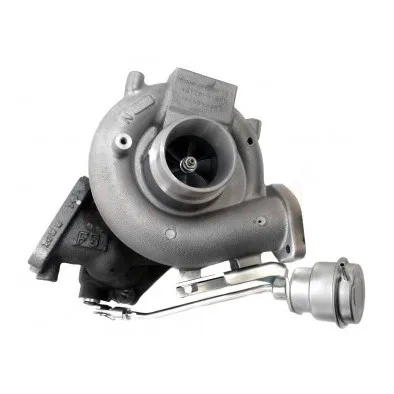
The 2.0 I Turbo 280 hp category addresses a critical need in the automotive aftermarket: reliable, high-performance turbochargers designed for engines producing 280 horsepower. This segment serves professional mechanics, DIY enthusiasts, and German-speaking drivers in the DACH region who require direct-fit, remanufactured solutions without the delays or costs associated with OEM channels.
autoKUR’s range is built on a wholesale model, sourcing turbos from leading remanufacturers and distributing them through a network of independent suppliers. The focus remains on core exchange units—fully tested, balanced, and ready for installation—while the grossist role ensures competitive pricing and rapid availability for workshops and private buyers alike.
Professional uses by trade
Different users approach turbo replacement with distinct priorities: garages prioritize turnaround time and bulk availability, while DIYers seek clarity on fitment and return policies for core deposits. German buyers, in particular, value transparent compatibility data and language-specific support.
- Independent garage: Replace a failing turbo on a 2018 Mitsubishi Outlander 2.0 DI-D 280 hp with a core deposit refund to offset costs.
- DIY enthusiast: Source a direct-fit turbo for a 2015 Audi A4 2.0 TFSI 280 hp, ensuring the unit matches the OEM reference before self-installation.
- German mechanic: Order a turbo for a 2017 BMW 328i 2.0 N20B20 280 hp with a focus on CHRA durability and warranty terms.
- Passionate driver: Identify a compatible turbo for a 2016 Subaru WRX STI 2.0 FA20F 280 hp, verifying the core’s condition before purchase.
- DACH buyer: Request a turbo for a 2019 Volkswagen Golf R 2.0 TSI 280 hp, prioritizing language-specific documentation and return logistics.
Range comparison
Below, you’ll find the exact turbo models compatible with 2.0 I Turbo 280 hp engines, listed with their OEM references and primary applications to simplify selection.
| Range | Use | Format |
|---|---|---|
| Turbo Mitsubishi 49378-01560 | Mitsubishi Outlander 2.0 DI-D | |
| Turbo Mitsubishi 49178-01590 | Mitsubishi Lancer Evolution X 2.0 | |
| Turbo Mitsubishi 49178-01560 | Mitsubishi ASX 2.0 DI-D | |
| Turbo Mitsubishi 49178-01580 | Mitsubishi Pajero Sport 2.0 DI-D | |
| Turbo Mitsubishi 49178-01520 | Mitsubishi Eclipse Cross 2.0 | |
| Turbo Mitsubishi 49378-01550 | Mitsubishi Space Star 2.0 |
How to choose
Selecting the right turbo for a 2.0 I 280 hp engine requires attention to compatibility, condition, and core return policies. Each factor impacts performance, cost, and logistics for both professionals and private buyers.
- Verify the OEM reference against your vehicle’s engine code to avoid mismatched geometry or fitment issues during installation.
- Inspect the turbo’s condition for signs of wear, such as scoring on the shaft or carbon buildup in the CHRA, which could indicate a non-viable core.
- Confirm the core deposit amount and return window to ensure the transaction remains cost-effective for your workshop or personal budget.
- Prioritize turbos with a documented remanufacturing process, including balancing and pressure testing, to deliver consistent performance post-installation.
- Check the packaging for bulk or single-unit formats to align with your inventory rotation and storage constraints.
- Review the warranty terms, which typically cover defects but exclude damage from improper installation or external contaminants.
- Assess the supplier’s return policy for defective units, as some may require a pre-approval process before accepting a core back.
Storage & logistics
For workshops, storing exchange turbos in a climate-controlled environment prevents moisture damage to the CHRA and ensures the unit remains ready for immediate use. Palletized bulk orders should be stacked on sturdy shelving to avoid crushing, while single units benefit from individual protective sleeves to shield against dust and debris. Regular inventory rotation is critical to prevent stagnation, as turbos with extended shelf life may experience seal degradation or internal corrosion over time.
Since 2026, our team has processed thousands of turbo cores for 2.0 I 280 hp applications, refining our selection to focus on units that balance durability with affordability for independent garages and passionate drivers alike.— autoKUR team
Related categories
Browse our other ranges:
Useful references
For regulatory and sector references, see Reglement (UE) 461/2010 — pieces de rechange et garantie constructeur.